Introduction
James Beattie, an accomplished former English footballer, has made significant contributions to the sport over his two-decade-long career. Known for his striking abilities and tactical awareness, Beattie played a pivotal role in various clubs in the Premier League and the England national team. Understanding his journey not only highlights the evolution of a player but also the changing landscape of English football.
Early Career
Born on 27 February 1978 in a small town in Lancashire, England, Beattie began his journey in football at the young age of 15, signing for the youth team of Southampton. His exceptional goal-scoring talent quickly elevated him into the first team, where he made his debut in 1996. During his tenure with the Saints, he became known for his physical style and technical skill, earning acclaim and drawing interest from several clubs.
Premier League Years
Beattie’s career took a significant turn in the early 2000s when he transferred to Southampton’s Premier League rival, where he showcased his brilliant form. In the 2002-2003 season, he had his breakout year, scoring 23 goals, which not only helped his team secure a solid position in the league but also earned him a spot on the England national team. This performance encapsulated his value and dedication, propelling him into the spotlight.
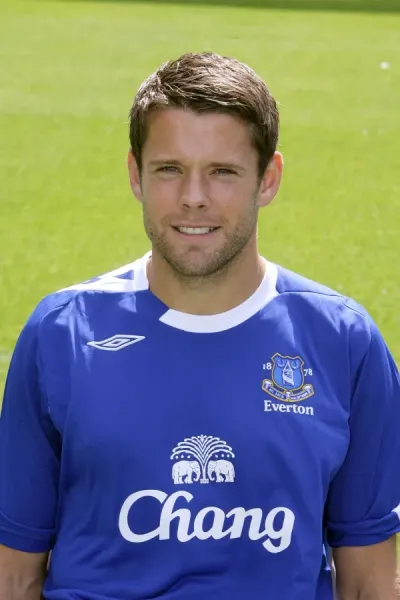
By 2005, Beattie had moved to Everton, where he continued to impress fans and analysts alike. Despite not always finding the back of the net at Everton as frequently, he was respected for his hard work and team spirit. His experience and leadership were instrumental in matches, and he forged invaluable partnerships with other players, enhancing team dynamics.
International Career
James Beattie earned ten caps for the England national team between 2002 and 2004, contributing to notable matches including qualifiers for the UEFA European Championship. His inclusion in the national squad highlighted his rise in the sport, and although his international appearances were limited, he left a mark with memorable performances against teams like Portugal.
Conclusion
After retiring from professional football in 2012, Beattie transitioned into coaching and has continued to influence the game from a different perspective. His journey illustrates the determination necessary to succeed in football and the importance of adaptability throughout a sporting career. Looking forward, James Beattie remains a respected figure in the football community, and his legacy will inspire future generations of players seeking to follow in his footsteps. For enthusiasts and aspiring athletes, studying his career offers valuable insights into the discipline and commitment required at the highest levels of football.
