Introduction
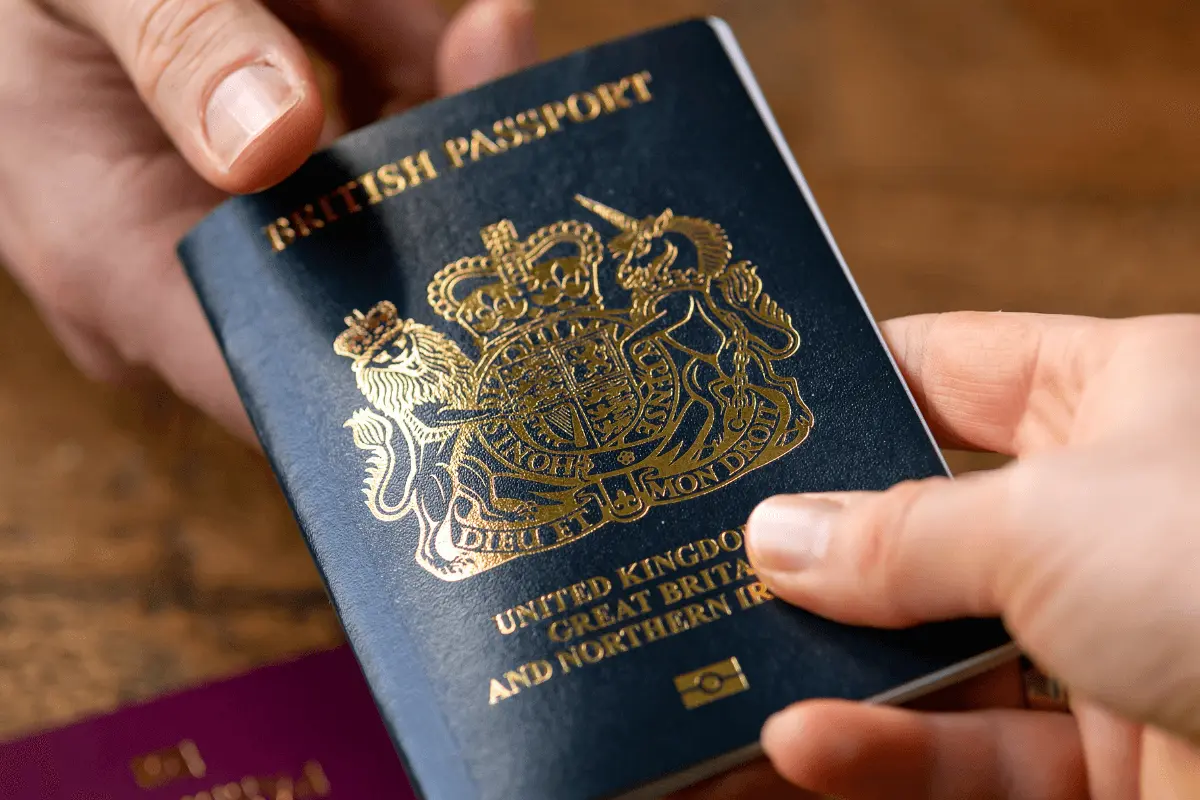
The British passport is a vital document for UK citizens, functioning as a proof of identity and citizenship while also serving as a key to international travel. Its relevance has heightened in recent years due to increasing global mobility, changing visa regulations, and the implications of Brexit. Understanding the importance of the British passport, application process, and any recent updates can empower citizens as they navigate international travel in a post-pandemic world.
Current Status of British Passports
As of October 2023, British passport applications are witnessing significant changes. The UK Government is investing to improve processing times, aiming for applications to be processed within ten weeks. This has become particularly critical as travel demand surges, especially with schools nearing holiday seasons and families planning to reunite abroad.
The passport, now designed with enhanced security features, has been at the forefront of the government’s strategy to combat identity theft. Recent statistics reveal that the demand for British passports increased by approximately 15% in 2023 compared to the previous year, indicating a strong desire among citizens to travel.
Application Process Changes
In 2023, an online application system remains the preferred method for obtaining a British passport, allowing for straightforward submission of required documents and payments. However, for first-time applicants, the necessity of an in-person interview has been a recent topic of discussion. The Home Office has suggested that these measures are in place to strengthen security and verify identities.
It’s noteworthy that due to increasing digitalisation, the government is also introducing measures to facilitate renewals through mobile applications, aiming to streamline the process and reduce pressure on traditional processing channels.
The Impact of Brexit
Brexit has undoubtedly affected the British passport, especially regarding the right to reside and travel within EU countries. Since leaving the EU, UK citizens can no longer enjoy the same level of ease in travel as before. Therefore, understanding visa requirements for EU nations has become vital for UK travellers planning trips, emphasising the importance of having a valid British passport.
Conclusion
In conclusion, the British passport not only stands as a significant symbol of citizenship and identity but also plays a vital role in a citizen’s ability to travel globally. As processing times improve and digital options are enhanced, the focus remains on ensuring the security and efficiency of the passport application process. For the foreseeable future, UK citizens must stay informed about the implications of changing travel regulations, particularly in the wake of Brexit, to ensure successful travel experiences.
