Introduction
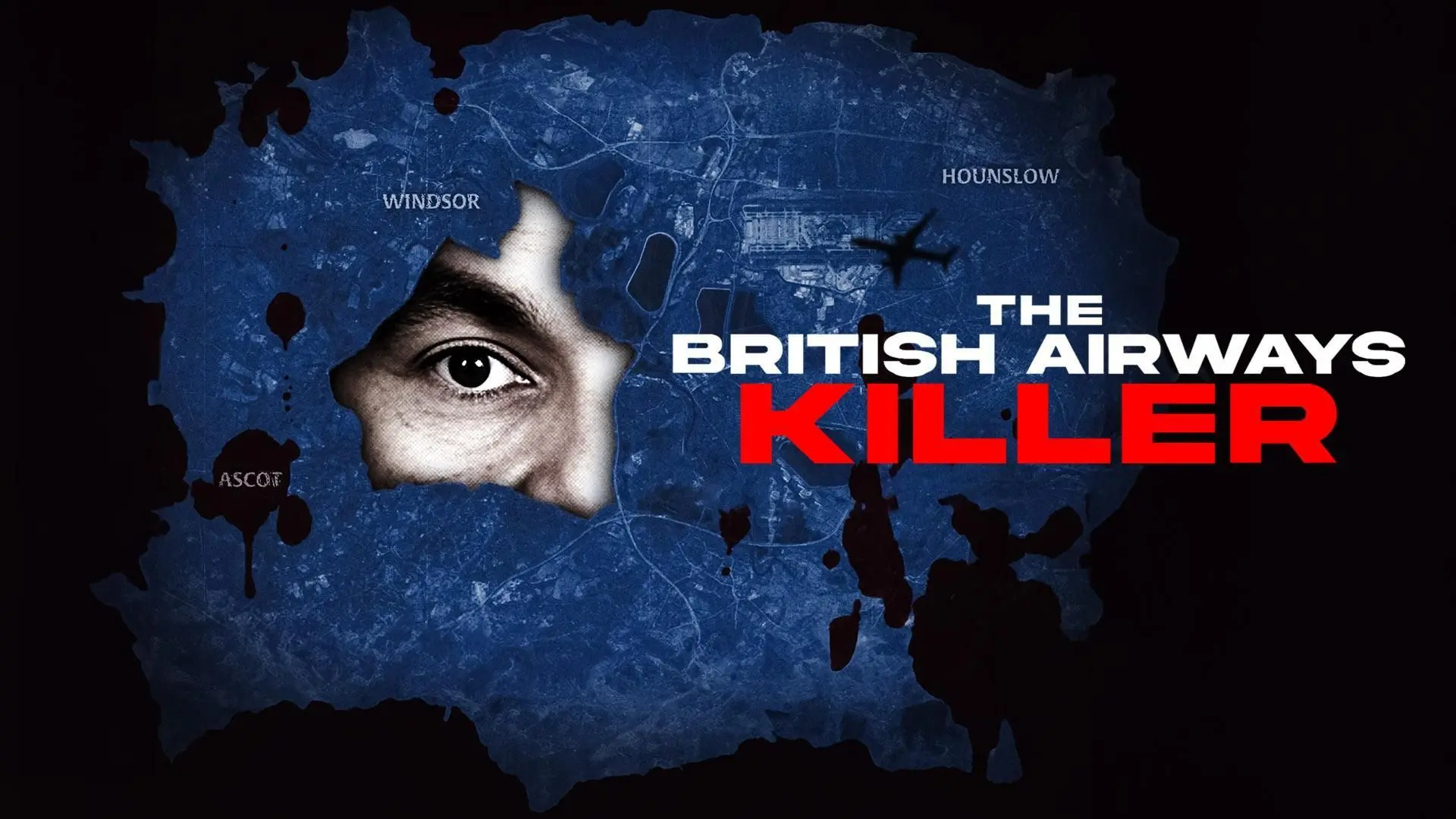
The British Airways Killer is a significantly haunting term associated with a tragic incident that occurred in 1985, capturing global attention. This case not only highlighted the vulnerabilities in air travel security but also underscored the importance of stringent safety protocols within the industry. The implications of this incident reverberate through airline policies and public perception of aviation security even today.
The Incident
On June 23, 1985, Air India Flight 182, a Canadian flight operating under British Airways’ code, was destroyed by a bomb explosion off the coast of Ireland. The attack resulted in the death of all 329 passengers and crew aboard. The bomb, planted by Sikh separatists, was intended as a political statement against India’s actions in Punjab, and it marked a pivotal moment in international terrorism.
Investigation and Aftermath
The investigation into the bombing was extensive and painful, revealing the alarming gaps in airport security at the time. Following the incident, authorities globally heightened security measures, prompting the introduction of new screening technologies and protocols. Additionally, the case led to stringent regulations regarding the handling of luggage and cargo on flights.
Legal Ramifications
In the years that followed, various suspects linked to the attack were identified, with the most notable being the arrest of Talwinder Singh Parmar, who was alleged to be the mastermind behind the bombing. Parmar was killed by the Indian police in the 1990s, and no one has ever been brought to trial for this tragic event, leaving many families seeking justice.
Conclusion
The bombing of Air India Flight 182, often referred to in connection with the British Airways Killer, serves as a stark reminder of the potential dangers of air travel and the essential nature of airline security. As the aviation industry continues to grow and evolve, the lessons learned from this horrific event remain relevant. The effects of the British Airways Killer case call for ongoing vigilance and reform in air travel security, ensuring a safer flying experience for passengers worldwide. As the aviation industry progresses, ongoing discourse about safety and security remains crucial in preventing such tragedies from occurring again.
