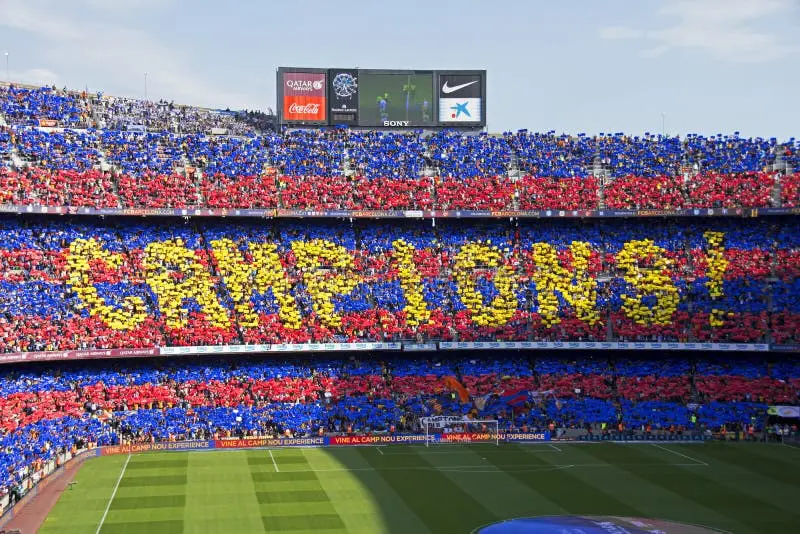
Introduction to Barcelona Stadium
The Barcelona Stadium, officially known as Camp Nou, serves as a prominent symbol of passion for football in Spain and beyond. As the home of FC Barcelona, one of the most successful football clubs in history, it has hosted countless memorable matches and events since its inauguration in 1957. The stadium’s vast seating capacity and unique atmosphere highlight its importance not only to local fans but also to international visitors who travel to witness the magic of live football.
Historical Significance
Camp Nou, meaning ‘New Field’ in Catalan, was built to accommodate the growing fanbase of FC Barcelona. Initially, it held 93,053 seats, making it the largest stadium in Europe. Over the years, the venue has undergone several renovations to improve facilities and expand its capacity, including the addition of modern amenities for visitors and enhanced spectator experiences. In 1982, it was the stage for the FIFA World Cup final, showcasing not just club-level excellence but also national pride.
Recent Developments and Future Plans
In recent years, FC Barcelona announced a significant renovation project aimed at modernising Camp Nou. This project, named ‘Espai Barça,’ intends to enhance the stadium’s features, while boosting its capacity to 105,000 seats. The upgrades will include new hospitality areas, improved accessibility, and state-of-the-art technology for fans. Due to the pandemic, many of these plans have been delayed, but the club is optimistic about the project’s eventual completion, with an expected reopening in 2025. This renovation underscores the club’s vision to maintain its legacy and relevance in contemporary football.
Impact on Local Economy and Culture
Barcelona Stadium not only holds sporting significance but also contributes significantly to the local economy. It attracts millions of tourists annually, boosting sectors like hospitality, transport, and retail. Local businesses benefit from match-day traffic, with many fans dining and shopping in the area before and after games. Furthermore, the stadium serves as a cultural hub, hosting concerts and events, contributing to the vibrant atmosphere that characterises the city.
Conclusion
The Barcelona Stadium stands as a testament to the passion and dedication that surround football. As FC Barcelona continues to shape the narrative of the sport, the upcoming renovations promise to elevate the stadium’s status further. For fans and visitors, the legacy of Camp Nou will remain not only as a venue for exhilarating matches but as a landmark of tradition, culture, and an enduring love for football that resonates across the globe.
