Introduction
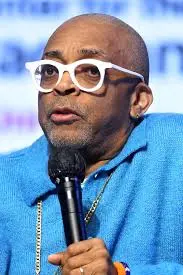
Spike Lee is a renowned figure in modern cinema, recognised for his distinctive storytelling and impactful social commentary. Known for blending personal narratives with pressing societal issues, Lee’s body of work has reshaped cinematic expectations, providing unique perspectives on African American culture and the human experience. As the film industry continues to evolve, Lee’s contributions are increasingly relevant, highlighting the significance of representation and activism in filmmaking.
Career Highlights and Influential Works
Spike Lee burst onto the film scene in the late 1980s with the release of his landmark film, She’s Gotta Have It (1986). This breakthrough project established his stylistic flair and led to a series of influential films including Do the Right Thing (1989), which addressed racial tensions in America. The film was groundbreaking in its portrayal of relationships and race, earning Lee his first Academy Award nomination.
Throughout the years, Lee has tackled various themes through his films, such as in Malcolm X (1992), which portrayed the life of civil rights leader Malcolm X, showcasing Lee’s ability to create powerful biographical narratives. More recently, his work in BlacKkKlansman (2018) earned him an Academy Award for Best Adapted Screenplay, highlighting both his evolution as a filmmaker and his ongoing relevance in a society confronting issues of racism and inequality.
Recent Developments and Legacy
In 2023, Spike Lee continued to engage audiences through community initiatives and collaborations, advocating for diversity in Hollywood and encouraging new filmmakers to seize opportunities. His recent projects reflect ongoing societal issues and the need for authentic representation. As he navigates through platforms like social media, Lee is increasing his reach and influence among younger generations.
Conclusion
Looking ahead, Spike Lee’s legacy is poised to inspire future filmmakers and storytellers. His commitment to truth, justice, and representation in the arts resonates deeply in a world still grappling with inequalities. Lee’s body of work is a testament to the power of cinema as a tool for social change, reminding audiences that stories can provoke thought, encourage dialogue, and inspire action. As filmmakers and cinephiles reflect on his contributions, one can only anticipate the compelling narratives Lee will continue to craft in the years to come.
