The Importance of Caricature
Caricature, a unique form of art, has been captivating audiences for centuries. This artistic technique exaggerates features and characteristics of individuals to create a humorous or satirical representation. As society continually evolves, so does the relevance of caricature, making it an important medium for social commentary and public discourse.
Recent Events and Trends
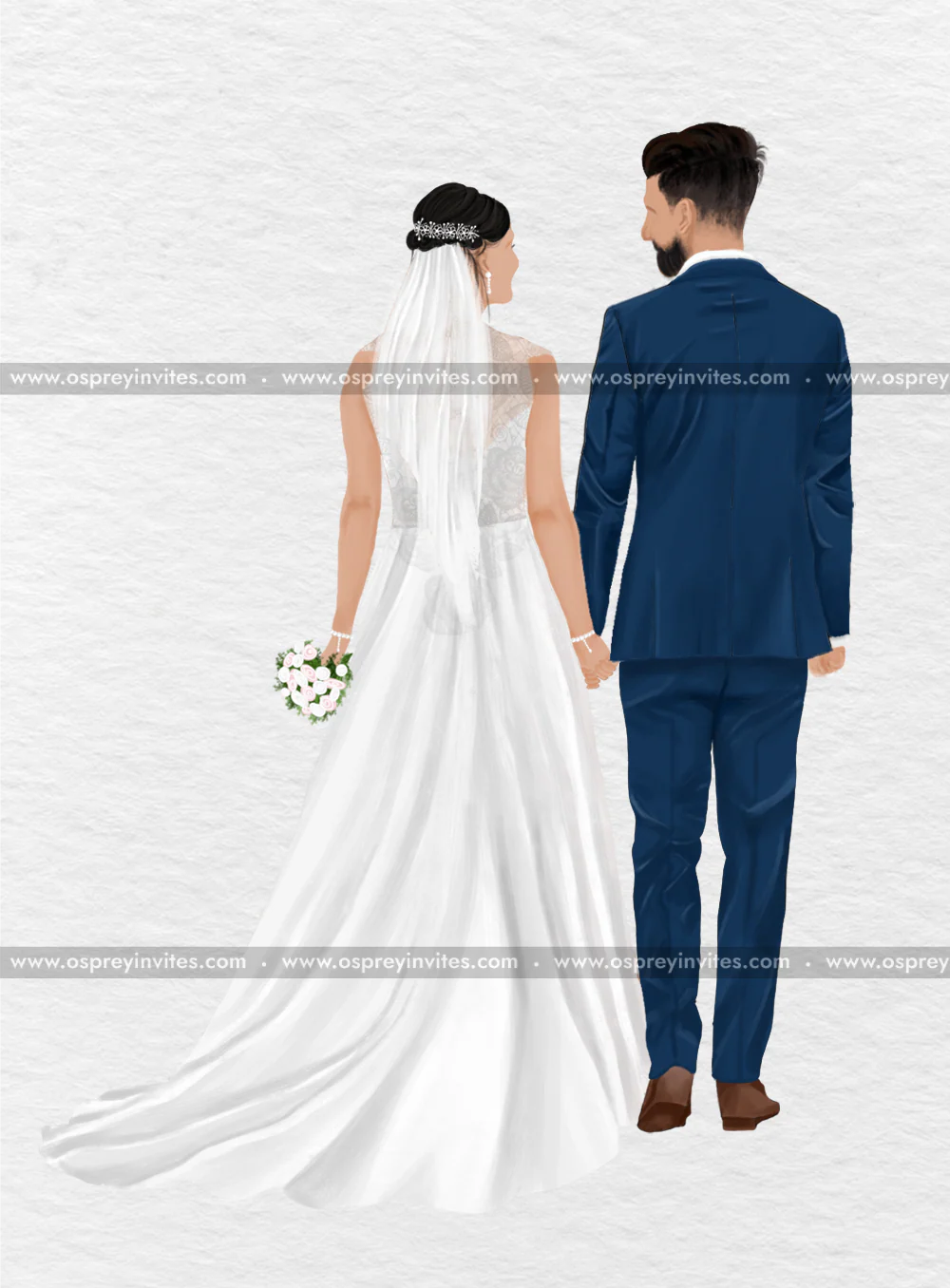
In recent months, the world of caricature has seen a resurgence, particularly with the rise of digital platforms that allow artists to reach wider audiences. Notably, during the global pandemic, caricature artists utilized social media to connect with followers and maintain relevance. Online caricature contests emerged, and artists began offering customised caricatures as a source of income and a means to engage with clients remotely.
Notable Caricature Artists
Several contemporary artists have made significant contributions to the caricature scene. For instance, an online exhibition featuring work from various caricature artists has been hosted by platforms such as Instagram, showcasing how traditional techniques can blend with modern technology. Artists like Steve Earle and David Levine have gained recognition for their sharp wit and the ability to encapsulate complex personalities in single illustrations.
Social Commentary Through Caricature
Caricature remains a strong tool for social commentary, addressing political figures, celebrities, and everyday situations with a humorous lens. Recent events, such as elections, social movements, and global crises, have sparked a wave of caricatures that provide insightful critiques and entertainment. For instance, many artists have taken to creating caricatures that reflect public sentiment regarding climate change, advocacy for justice, and global health challenges, proving that art can indeed influence society.
Conclusion and Future of Caricature
The art of caricature has demonstrated its resilience and adaptability in contemporary culture. As technology progresses and social issues continue to unfold, caricatures will likely evolve, retaining their role as a mirror reflecting society’s values and conflicts. For readers and art enthusiasts, this underscores the importance of supporting caricature artists and recognising the cultural significance of their work. The future of caricature looks promising, as these artists continue to craft their narratives through humour and art, inspiring reflection and dialogue among viewers.
