Introduction
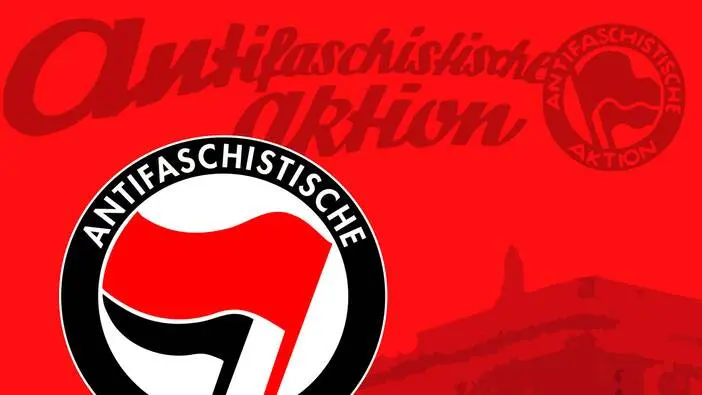
The Antifa movement, short for anti-fascism, has become a focal point of political discourse in recent years. As both a term and a movement, Antifa has been associated with various protests and counter-protests, often emphasizing its opposition to far-right ideologies and groups. Understanding Antifa is crucial, particularly as it influences today’s political climate and responses to extremism.
The Origins of Antifa
Though the term ‘Antifa’ gained mainstream attention in the United States post-2016, its roots can be traced back to European anti-fascist movements in the early 20th century. These groups mobilised against the rise of fascism in Germany and Italy during the Interwar period. In the United States, various leftist groups have used anti-fascist tactics for decades, but it wasn’t until the recent surge of white nationalist rallies and right-wing extremism that Antifa re-emerged as a prominent force.
Key Events and Actions
In the summer of 2020, Antifa gained significant media coverage during the nationwide protests against racial injustice and police violence following the killing of George Floyd. Members, often dressed in black attire, made headlines for their sometimes confrontational tactics at protests and counter-demonstrations. Notably, the group’s actions during the clashes in Portland, Oregon, became emblematic of Antifa’s approach—angling between direct action and civil disobedience.
Public Perception and Controversies
Despite its intention to oppose fascism and systemic oppression, Antifa has faced criticism and opposition from various political entities. Some claim that its approach can be overly aggressive and counterproductive to the anti-fascist goals it aims to promote. Prominent figures have polarised views, with some calling Antifa a necessary safeguard against hate, while others label it as a source of violence and unrest.
Conclusion
The Antifa movement continues to be relevant in discussions about civil rights and social justice in the UK and worldwide. As political tensions escalate, understanding the nuances of movements like Antifa is essential for fostering meaningful dialogue. It remains to be seen how Antifa will evolve in response to both criticism and support, but its presence in contemporary society underscores the ongoing struggle against extremism and inequality. Further research and engagement with diverse perspectives are vital for the public to navigate the full context of such movements.
