Introduction
Dubrovnik, often referred to as the ‘Pearl of the Adriatic’, is a stunning coastal city located in Croatia. Recognised as a UNESCO World Heritage Site, it attracts millions of visitors each year, drawn by its rich history, breathtaking architecture, and crystal-clear sea. The importance of Dubrovnik extends beyond its tourist appeal; it serves as a vital cultural and historical symbol for Croatia, showcasing the nation’s resilience, artistry, and natural beauty.
A Rich Cultural Heritage
Established in the 7th century, Dubrovnik has played a significant role in maritime trade and diplomacy throughout the ages. Its well-preserved medieval walls and elegant structures, such as the Rector’s Palace and Sponza Palace, tell stories of its illustrious past. The famous city walls, which stretch around the old town, date back to the 13th century and are among the finest fortifications in Europe. Recent efforts have focused on preservation and restoration, especially after the impacts of the Yugoslav Wars in the 1990s, which damaged many of the city’s iconic structures.
Current Events and Tourism Trends
In 2023, Dubrovnik has seen a significant resurgence in tourism as COVID-19 restrictions have eased. The City of Dubrovnik reports an increase in international visitors, particularly from the United Kingdom, Germany, and the United States. Efforts to promote sustainable tourism are underway, including limits on the number of daily cruise passengers allowed in the Old Town. Hoteliers and local businesses are adapting by offering unique experiences that highlight Croatian culture, cuisine, and history, catering to the diverse interests of modern travellers.
Natural Wonders and Activities
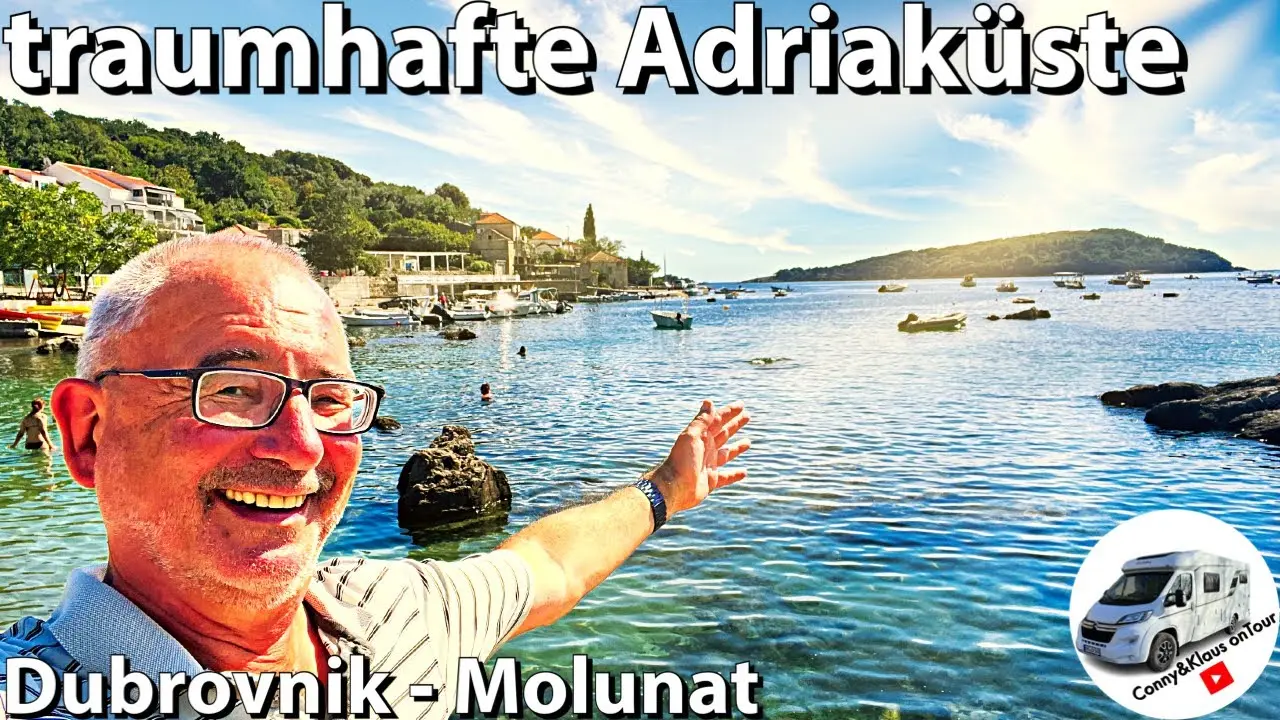
Apart from its historical significance, Dubrovnik also boasts stunning natural landscapes. Visitors can enjoy a range of activities, including boat trips to the nearby islands of Lokrum and Elaphiti, hiking in the surrounding hills for panoramic views, or relaxing on the beautiful beaches that dot the coastline. The city’s vibrant dining scene also showcases Mediterranean cuisine, making it a hotspot for food enthusiasts.
Conclusion
As Dubrovnik continues to grow and evolve, its blend of historical richness and natural beauty remains a cornerstone of its allure. Future developments and sustainable tourism practices will help ensure that this iconic city remains a captivating destination for generations to come. For anyone considering a trip, Dubrovnik is not just a place to visit; it’s an experience that enriches the soul and satiates the wanderlust of every traveller.
