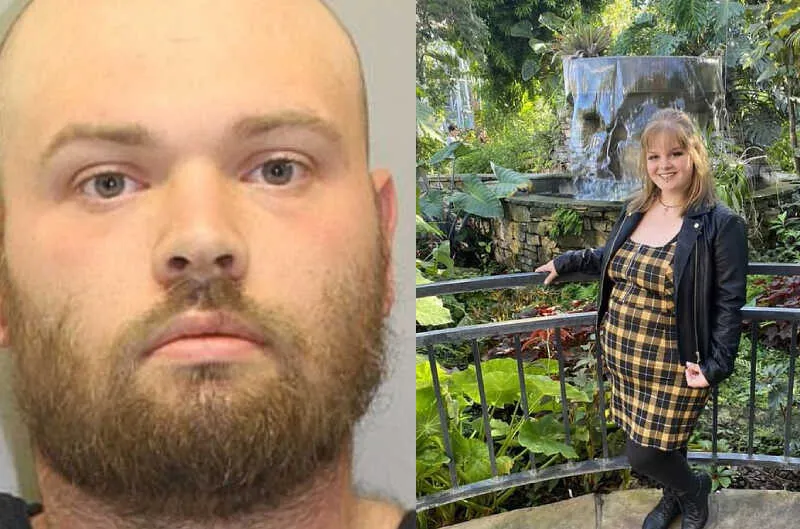
Tanner Horner, a delivery driver for FedEx, received a death sentence on May 5, 2026, after pleading guilty to the aggravated kidnapping and capital murder of 7-year-old Athena Strand. The case has captured national attention due to its tragic nature and the discussions surrounding mental illness.
Athena was reported missing on November 30, 2022. Her disappearance sparked a massive search effort involving around 200 community members. Sadly, her body was discovered just two days later—approximately nine miles from her home. This swift resolution brought little solace to her grieving family.
Horner’s account of the events surrounding Athena’s death has been troubling. Initially, he claimed that he accidentally hit her with his delivery vehicle before taking drastic actions that led to her demise. Prosecutors characterized his actions as premeditated, arguing that they demonstrated a clear intent to harm.
The courtroom also heard testimonies about Horner’s mental health struggles. His defense team presented evidence of multiple diagnosed conditions, including Asperger’s disorder and bipolar disorder. His mother testified about her own history of substance abuse and Tanner’s childhood experiences with bullying—elements that may have played a role in his psychological state.
Key facts from the trial:
- Tanner Horner was 31 years old at the time of his arrest and is currently approximately 34 years old.
- The jury’s decision to impose the death penalty will automatically be appealed to the Texas Board of Criminal Appeals.
- Horner’s execution is scheduled to take place at the Texas State Penitentiary in Huntsville.
Horner’s chilling statement—”Don’t scream or I’ll hurt you”—to Athena during the abduction reveals a disturbing mindset. It raises questions about how mental illness intersects with violent behavior. Can understanding these complexities change how society addresses such crimes?
This case not only highlights the tragedy of child abduction but also ignites broader conversations about accountability, mental health support, and community safety in Texas and beyond.
