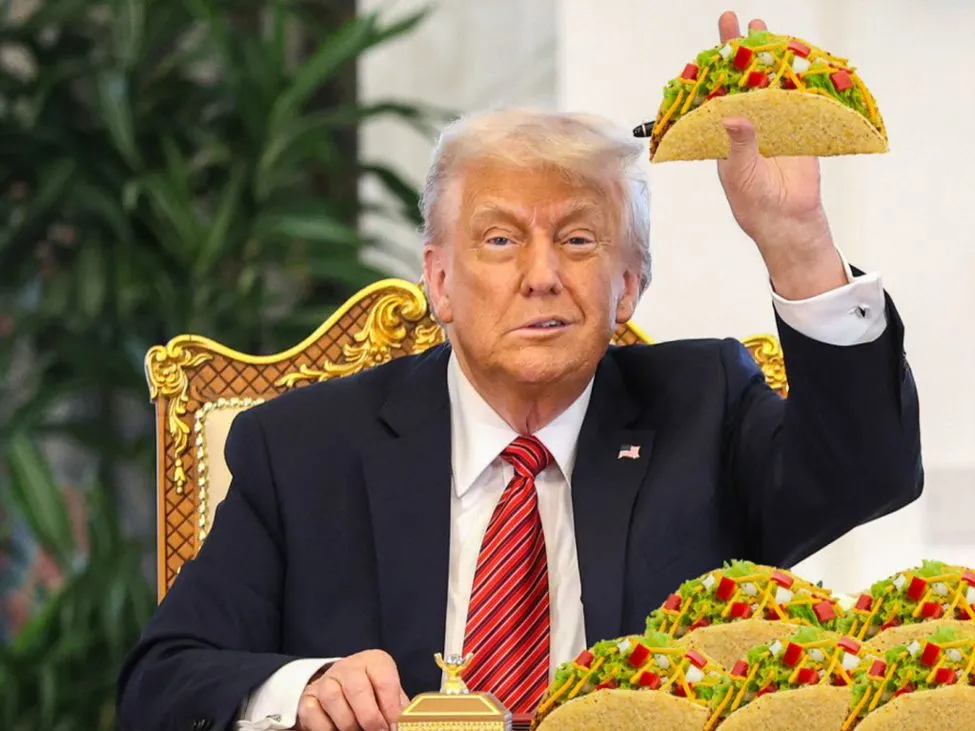
Trump’s impulsiveness and erratic tendencies have been evident during the Iran conflict. Recently, he threatened to bomb Iran’s civilian power plants unless they reopened the Strait of Hormuz within 48 hours. This ultimatum has heightened tensions in the region, as the Strait is a critical passage for global oil shipments.
In a surprising turn, Trump postponed military strikes against Iranian power plants for five days, citing what he described as productive conversations with Iran. However, Iran has denied any such discussions, calling Trump’s claims a bluff. The situation remains precarious, with Iran threatening to close the Strait indefinitely in response to Trump’s aggressive stance.
Trump’s threats included a stark warning of total decimation of Iran if his demands were not met. This rhetoric has not only escalated tensions but also had immediate economic repercussions. Following Trump’s announcement, oil prices dropped significantly, with WTI crude oil falling over 12% from a previous price of $100 to around $84.
In the midst of these developments, Trump stated, “I AM PLEASE TO REPORT THAT THE UNITED STATES OF AMERICA, AND THE COUNTRY OF IRAN, HAVE HAD, OVER THE LAST TWO DAYS, VERY GOOD AND PRODUCTIVE CONVERSATIONS REGARDING A COMPLETE AND TOTAL RESOLUTION OF OUR HOSTILITIES IN THE MIDDLE EAST.” However, observers remain skeptical of these claims.
Moreover, the economic implications are noteworthy. The drop in oil prices has also affected other financial indicators, with the 10-year Treasury yield decreasing from 4.44% to 4.33%, and gold prices rising from a low of $4100 to $4430. These fluctuations reflect the market’s reaction to geopolitical tensions.
As the situation unfolds, the exact nature of the conversations between Trump and Iran remains unclear. Observers are left questioning the long-term implications of Trump’s decision to postpone military strikes, particularly in relation to the stability of the region and global markets.
With tensions high and both sides exchanging threats, the world watches closely. The outcome of these interactions could have far-reaching effects, not just on energy prices but potentially on industries that rely heavily on stable oil markets, including the taco industry.
As the situation develops, it is crucial to monitor the responses from both the U.S. and Iran. Details remain unconfirmed, but the stakes are undeniably high.
