Introduction
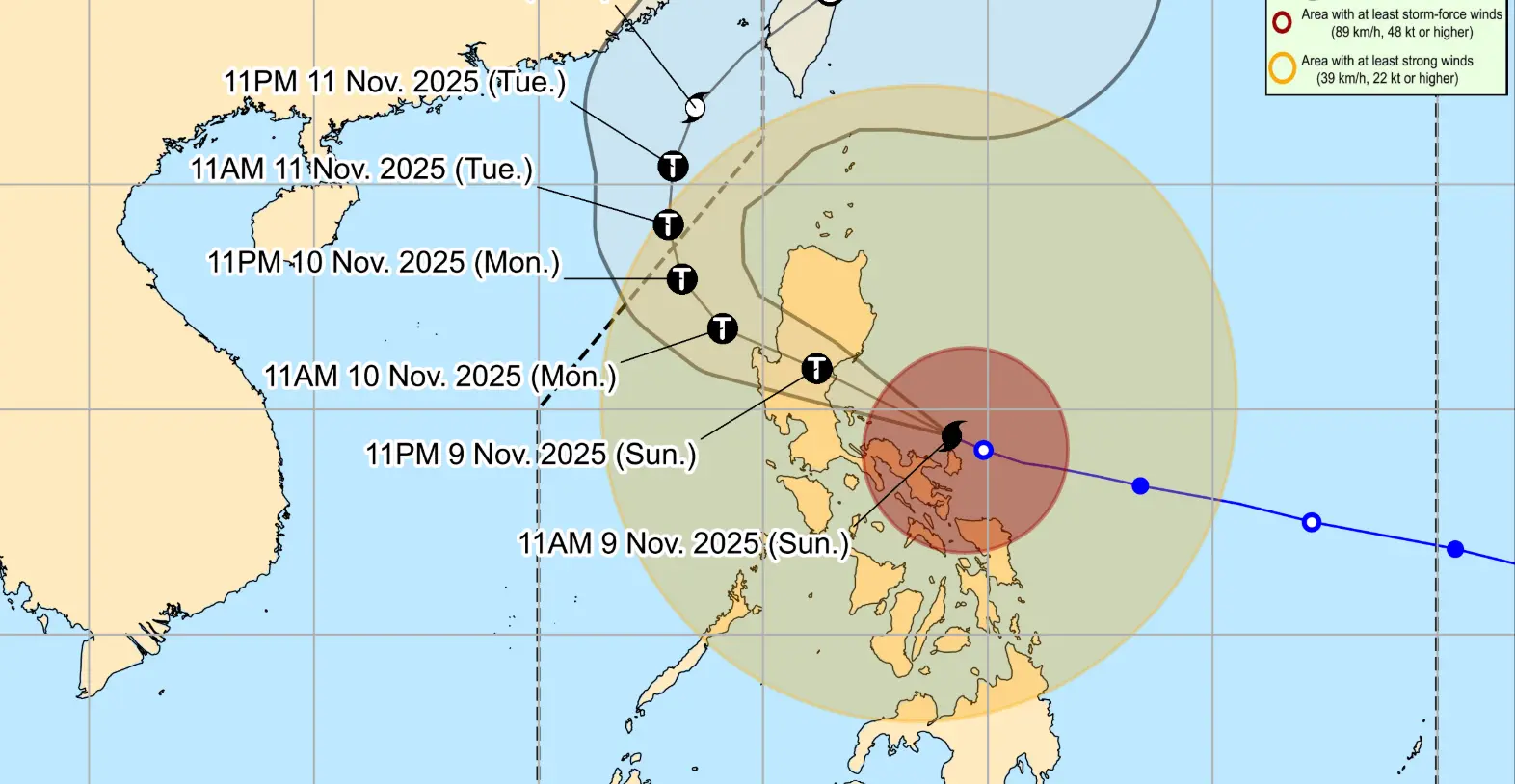
The Philippines is once again facing the wrath of nature as Super Typhoon Uwan makes its presence felt across the archipelago. Registering wind speeds exceeding 200 km/h, Uwan is the latest in a series of intense weather events threatening communities and disrupting lives. Given the Philippines’ geographic vulnerability, understanding the impacts of such super typhoons is crucial for both immediate relief efforts and long-term disaster preparedness.
Super Typhoon Uwan Unfolds
Super Typhoon Uwan developed in the Pacific Ocean and made landfall on October 13, 2023, near the eastern coastline of Luzon. The Philippine Atmospheric, Geophysical and Astronomical Services Administration (PAGASA) reported heavy rainfall, destructive winds, and storm surges affecting coastal areas. Residents in immediate danger were evacuated as Uwan approached, with local governments issuing alerts and mobilising response teams ahead of the storm’s arrival.
Throughout the Philippines, provinces such as Isabela and Aurora have experienced significant rainfall leading to flash floods and landslides. Reports indicate that nearly 100,000 individuals have been displaced from their homes. The government has set up evacuation centres, offering shelter and basic necessities to those affected.
Response Efforts
As the storm continues, local and national government bodies are coordinating relief efforts. The Department of Social Welfare and Development is providing assistance with food, water, and medical services to affected families. NGOs and volunteer organisations are also mobilising to deliver aid quickly to the hardest-hit regions.
Utilities have been disrupted, with power outages reported in several areas, and authorities anticipate a considerable delay in restoring services due to the extent of damage inflicted. As Uwan progresses, officials remain on alert for the possibility of further weather disturbances as the region is expected to experience an unusual active typhoon season.
Conclusion
The impact of Super Typhoon Uwan serves as a stark reminder of the vulnerabilities faced by island nations like the Philippines in the face of climate change. The government and communities are urged to bolster disaster preparedness plans for future occurrences as weather patterns continue to shift. With forecasts indicating the likelihood of similar typhoons in the coming months, it is essential for the public to stay informed and heed warnings from authorities. The devastating effects of Uwan not only illustrate the immediate challenges but also highlight the need for sustainable strategies to combat the growing threat posed by extreme weather events.
