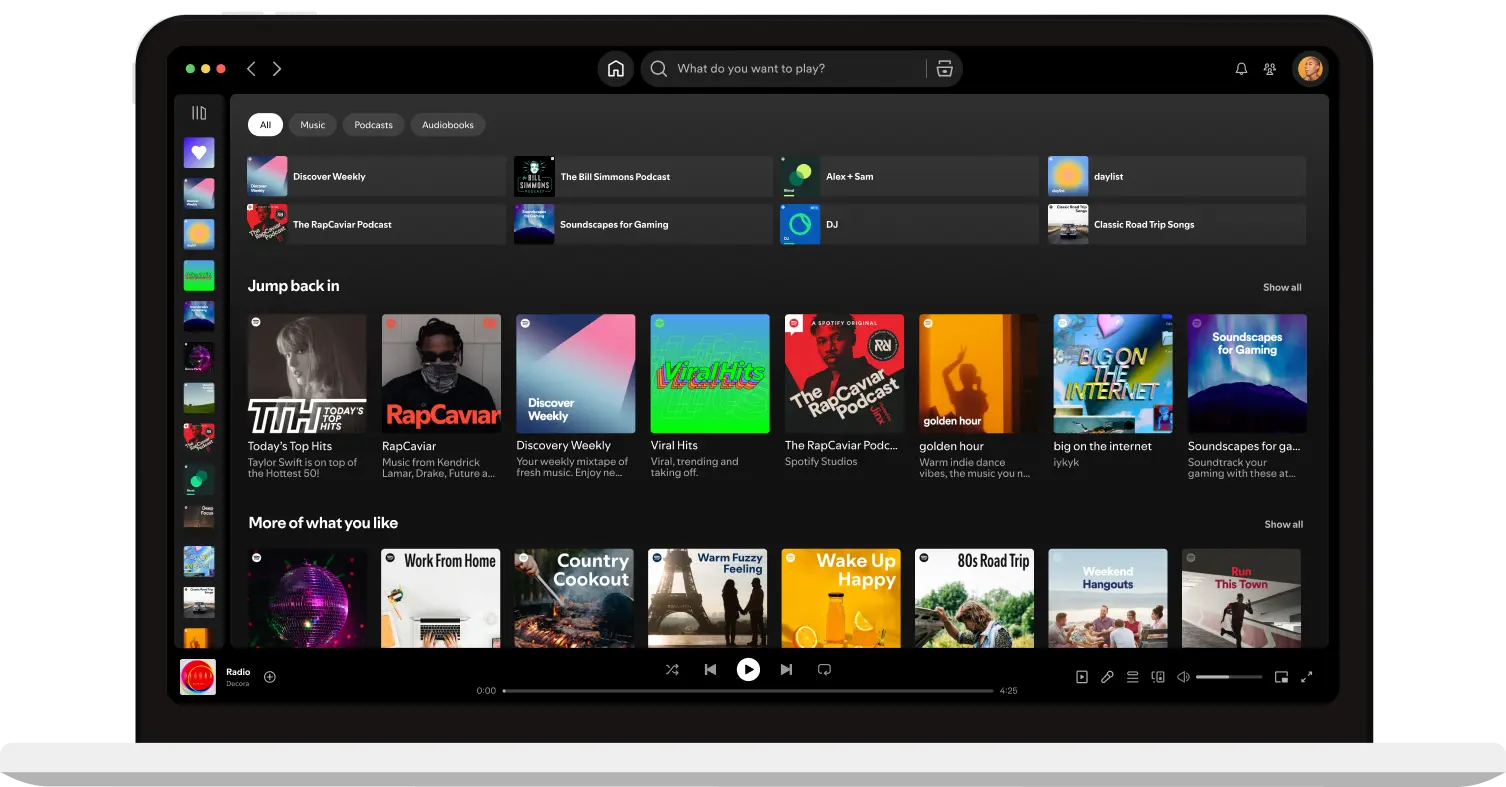
Introduction
Spotify, a leading music streaming service founded in 2006, has transformed the way people listen to music. With over 489 million active users and 205 million subscribers as of 2023, it has established itself as a dominant player in the global music landscape. The platform not only provides access to millions of tracks but also reshapes the music industry by offering new revenue streams for artists.
The Rise of Spotify
Launched in Sweden, Spotify gained popularity by offering a freemium model, allowing users to listen to music for free with ads or subscribe for an ad-free experience. This approach has attracted diverse demographics, making music accessible to a wide audience. The platform’s recommendation algorithm also tailors playlists to individual user preferences, enhancing the listening experience.
Recent events, such as Spotify’s expansion into podcasting, have further solidified its influence. With over 4 million podcasts available, including exclusive content such as the Joe Rogan Experience, Spotify has positioned itself not only as a music service but as a comprehensive audio platform.
Impact on Artists and the Industry
Spotify’s impact on artists is significant. The platform provides artists with analytics about their listeners and easy access to a global audience. However, it has also sparked debate regarding fair compensation. As artists receive an average of $0.003 to $0.005 per stream, many argue that this model favours larger artists over independent musicians.
In response to criticism, Spotify has introduced initiatives like the Spotify for Artists tool, which helps musicians understand their audience and optimise their promotional strategies. Moreover, partnerships with major labels and distribution platforms aim to create more equitable revenue sharing.
Future Outlook
Looking ahead, Spotify is focusing on enhancing user interaction and diversifying content. In 2023, the company is investing in AI-driven features that may change how playlists are curated and how music is discovered. Additionally, the increasing popularity of live audio and social features hints at Spotify’s ambition to expand its ecosystem further.
Conclusion
The ongoing evolution of Spotify is a testament to the changing landscape of the music industry. As it continues to innovate and adapt, both listeners and artists face an exciting yet challenging future. The platform remains at the forefront of music streaming, influencing trends and redefining how music is consumed in the digital age.
