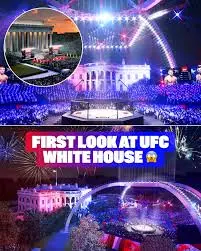
Introduction: The Significance of the UFC in National Discourse
The Ultimate Fighting Championship (UFC) has grown from a niche sport into a global phenomenon, captivating audiences around the world. Its increasing prominence has drawn the attention of political leaders, making its relationship with the White House more significant. Recent events illustrate how the UFC intertwines with American culture, politics, and policy implications, offering insights into the evolving dynamics between sports and governance.
Recent Events: Meetings and Advocacy
In a notable development, UFC President Dana White was recently welcomed at the White House, where he met with key officials to discuss matters pertaining to sports and mental health. White’s advocacy for mental health awareness within the combat sports community has resonated with policymakers, particularly following high-profile discussions surrounding athlete well-being and the pressures of professional sports.
Additionally, during the COVID-19 pandemic, the UFC played a pioneering role in resuming live sporting events, with White consistently engaging with the federal government to ensure compliance with health guidelines. This proactive response not only helped the UFC establish a safety-first reputation but also reinforced its status as a significant player in the sports sector, which connects to larger conversations on public health and safety in entertainment.
Impact on Policy and Sports Culture
The UFC’s connection with the White House also addresses the wider implications of sports in public policy. With the administration focusing on youth engagement and health, the UFC’s initiatives around community outreach, such as youth mentorship programs and fitness challenges, have aligned well with political agendas aimed at combating childhood obesity and promoting active lifestyles.
Moreover, the perceived connection between high-profile fighters and political messages has sometimes led to discussions about athletes’ roles as cultural icons and influencers. Fighters like Israel Adesanya and Khabib Nurmagomedov have ventured into political discourse, often reflecting or challenging contemporary socio-political narratives, further binding the UFC to the public’s political consciousness.
Conclusion: The Future of UFC-White House Interactions
As the UFC continues to expand its reach, its relationship with the White House is expected to evolve. The potential for collaborations on public health initiatives, youth engagement, and the promotion of sport as a vehicle for social change suggests a forward-looking partnership. As policymakers take more interest in the challenges and opportunities presented by combat sports, fans and stakeholders alike should keep an eye on how these dynamics will shape the future of both the UFC and American public policy.
