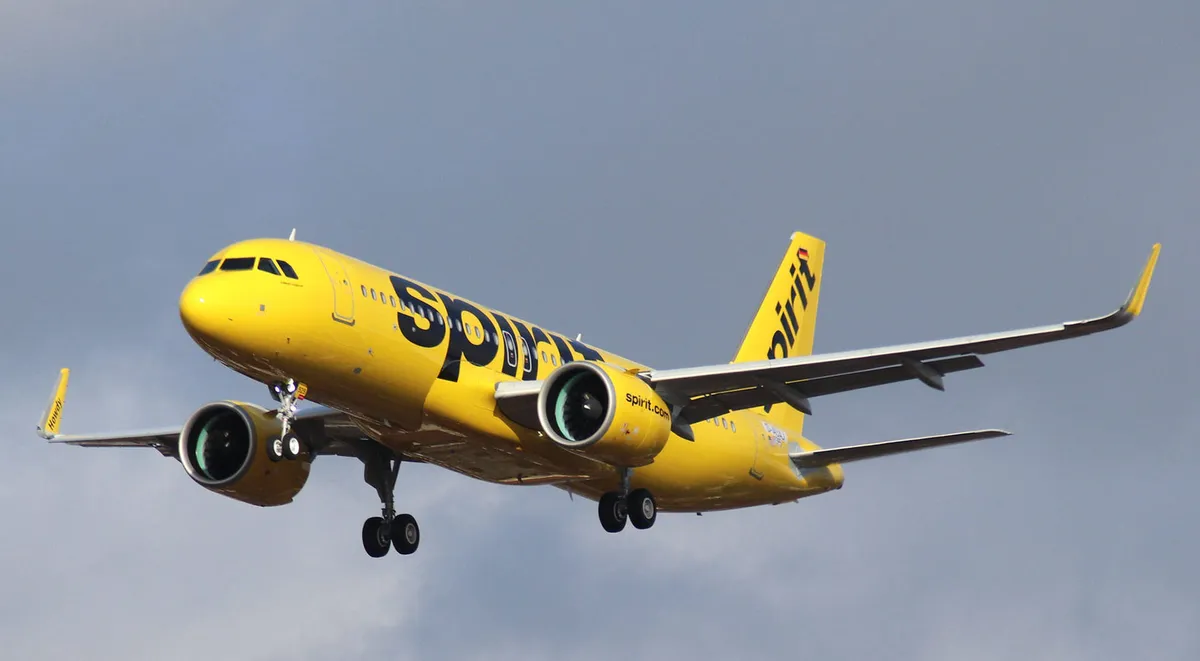
Spirit Airlines’ shutdown marks a significant moment in the aviation sector as it becomes the first major airline casualty linked to the ongoing Iran war. The airline ceased operations on Saturday after failing to secure creditor support for a proposed 500 million U.S. dollars government bailout plan.
This closure highlights how rising jet fuel prices, which climbed to about $4.51 per gallon by the end of April 2026, can devastate even long-standing carriers. Spirit accounted for five percent of U.S. flights at one point, serving millions of travelers.
But how did it come to this? Spirit Airlines had been struggling financially before the war-induced fuel shock exacerbated its challenges. The airline flew approximately 1.7 million U.S. domestic passengers in February, holding a 3.9 percent market share. Yet, despite these figures, it filed for bankruptcy for the second time in August 2025.
The fallout from Spirit’s closure will affect many. Around 2,000 employees, including pilots and staff, now face uncertainty about their futures. Transportation Secretary Sean Duffy remarked that the government is taking action to secure relief for those affected by this shutdown.
In terms of immediate impacts, Spirit had 277 flights scheduled for Saturday before its abrupt cancellation. Major U.S. carriers are stepping in to assist; they will cap ticket prices for Spirit customers who need to rebook their canceled flights.
This situation raises pertinent questions about the future of budget airlines amid fluctuating fuel costs and geopolitical tensions. As rivals like JetBlue Airways and Frontier Airlines stand to benefit from Spirit’s exit, what will happen next in this competitive landscape?
The pain of this decision will not be felt in boardrooms alone; it will resonate through communities that rely on these jobs and services. Jason Ambrosi from the Association of Flight Attendants expressed that this closure affects families and communities dependent on those employed by Spirit.
Looking ahead, uncertainty looms over how this will reshape the airline industry landscape as companies adjust to new realities amid rising operational costs.
