Introduction
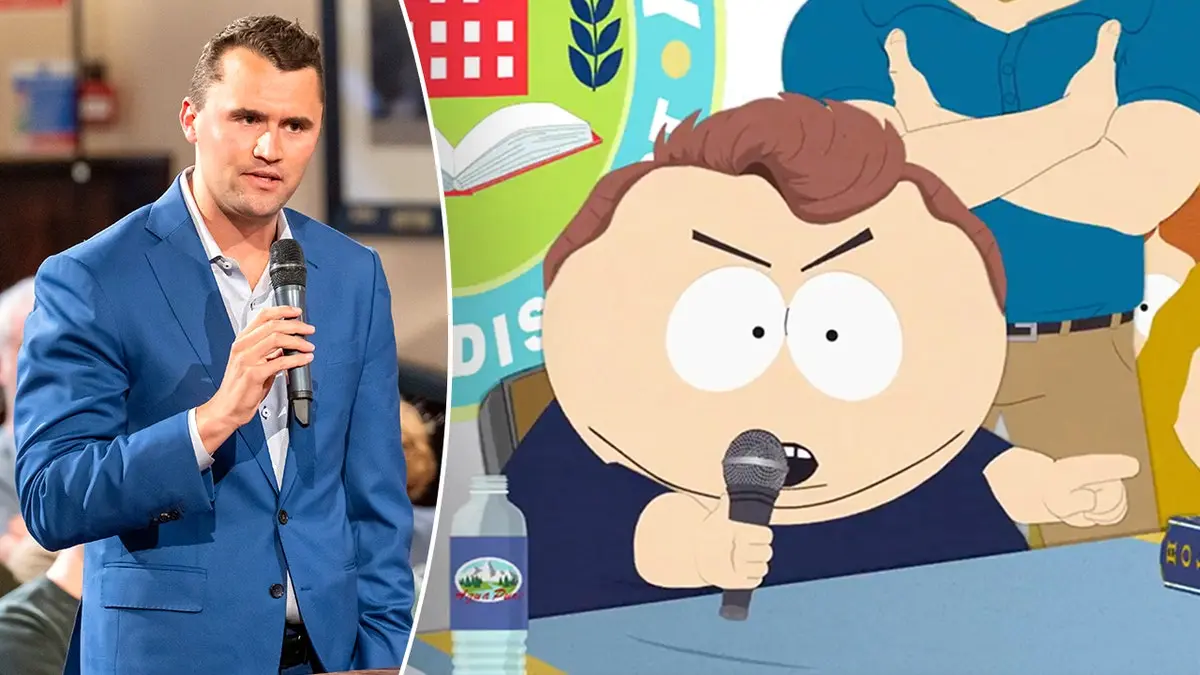
The animated series ‘South Park’ has long been known for its sharp satirical take on contemporary issues, often spotlighting real-life figures and events. The recent episode featuring conservative commentator Charlie Kirk is no exception, delivering a biting critique of political and social dynamics in today’s America. This episode has sparked conversation across various platforms, making it a relevant topic for fans and critics alike.
Details of the Episode
In the episode titled ‘The Charlie Kirk Experiment,’ which aired on October 25, 2023, creators Matt Stone and Trey Parker weave a narrative where Charlie Kirk finds himself in the fictional Colorado town of South Park. The episode cleverly parodies Kirk’s known philosophy and his usual appearances on college campuses. Throughout the storyline, Kirk attempts to promote conservative values while facing resistance from the show’s young protagonists—Stan, Kyle, Cartman, and Kenny.
The episode includes exaggerated portrayals of political debates around education, freedom of speech, and the implications of leaving a polarized society. Humorously, it showcases Kirk’s clash with the characters who embody progressive ideals, leading to humorous yet thought-provoking exchanges. The portrayal is poignant, inviting viewers to reflect on the extent to which political figures influence youth culture.
Social Commentary and Current Events
The relevance of this episode extends beyond entertainment; it tackles significant themes such as misinformation and the culture wars prevalent in America today. By juxtaposing Kirk’s conservative rhetoric with the sometimes absurd reactions of the characters, ‘South Park’ not only entertains but encourages audiences to critique both ends of the political spectrum. The episode led to a flurry of discussions on social media, with viewers divided on whether the satire effectively represented Kirk’s views or simply contributed to the divisive discourse.
Conclusion
The ‘South Park Charlie Kirk episode’ exemplifies the show’s signature style of using humour as a lens for examining serious issues. As viewers continue to dissect the episode’s implications, it reinforces the notion that satire can be a powerful tool for both entertainment and social commentary. With ongoing debates around the influences of political figures on youth and society, episodes like this highlight the importance of critical thinking in the face of polarized narratives. Looking ahead, it will be interesting to see how ‘South Park’ continues to evolve its satire in relation to the ever-changing political landscape.
