Introduction
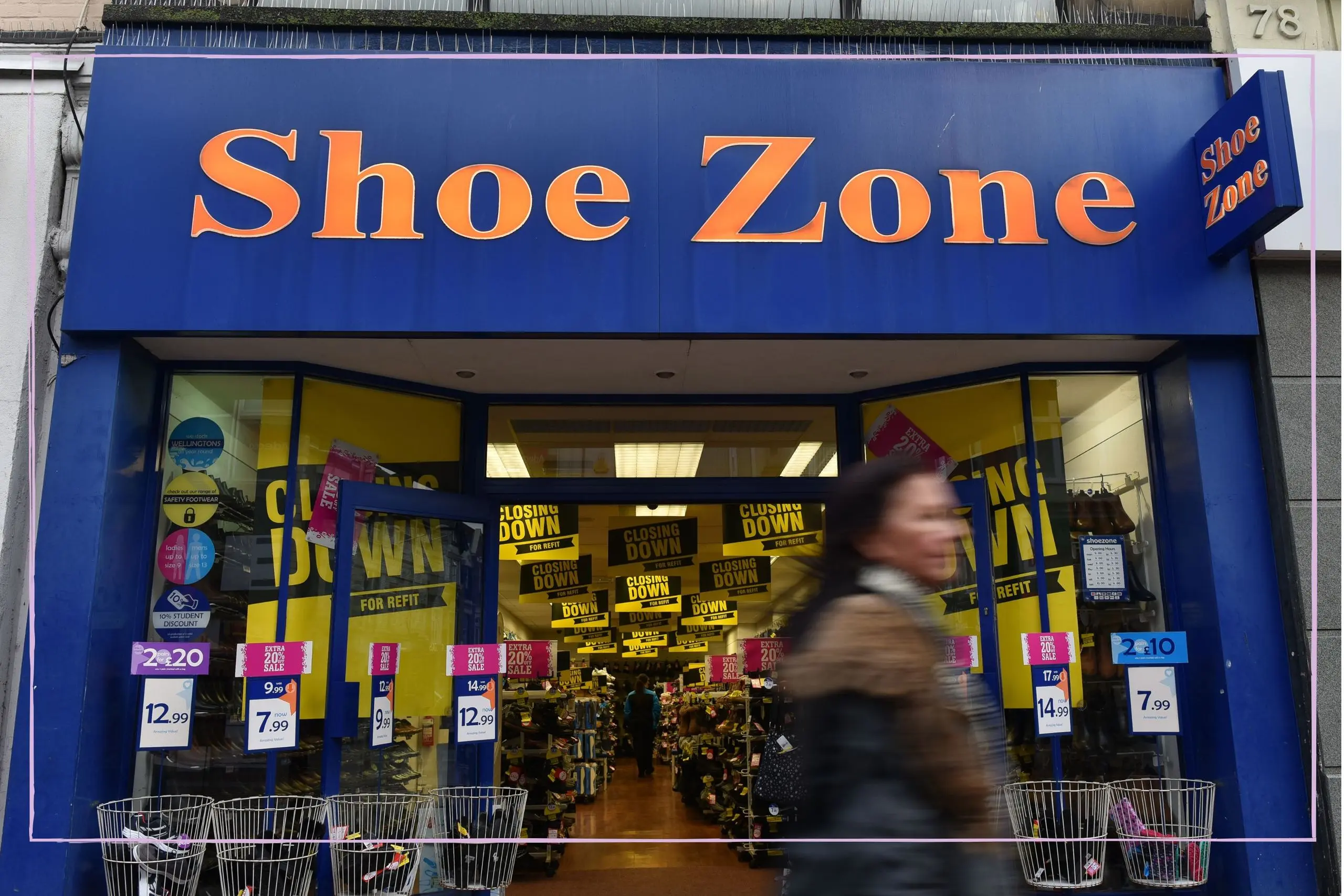
Shoe Zone, one of the UK’s leading footwear retailers, has recently announced a series of store closures, sparking concern among employees and shoppers alike. This development is significant as it reflects the broader challenges faced by brick-and-mortar retailers in the wake of the pandemic and changing consumer habits. Understanding the reasons and implications of these closures is essential for stakeholders, including consumers and retail analysts.
Details of the Closures
The company revealed plans to close a number of its stores across the UK, primarily due to a combination of poor sales performance and rising operational costs. In a recent statement, Shoe Zone indicated that these closures were necessary to streamline operations and focus on more profitable locations. The company, which has traditionally thrived in smaller towns and cities, is now facing increased competition from online retailers, which have seen a boost in sales during the pandemic.
In its latest financial report, Shoe Zone cited a 15% decrease in in-store sales, prompting this strategic decision. The closures primarily affect locations that have underperformed in recent years. While the exact number of closures is yet to be confirmed, it is estimated that over a dozen stores may shut down in the coming months, resulting in potential job losses for affected employees.
Market Dynamics
The retail sector, particularly footwear, has undergone immense changes in recent years, accelerated by the COVID-19 pandemic, which forced many consumers to shift to online shopping. Established brands like Shoe Zone are feeling the pressure to adapt to this new landscape. Footwear sales have increasingly migrated online, and businesses that rely heavily on physical storefronts are struggling to maintain profitability.
Shoe Zone’s management is clearly aware of this trend, as they have begun investing in enhancing their online presence and e-commerce capabilities. The closures may also allow the firm to reallocate resources towards these initiatives, which are crucial for survival in this new retail environment.
Conclusion
The planned store closures by Shoe Zone highlight the broader challenges facing traditional retailers in an ever-evolving market. As consumers increasingly favour online shopping, the importance of adapting to new retail realities cannot be overstated. For shoppers, this may mean diminished access to familiar storefronts, but for Shoe Zone, it could also represent an opportunity to refocus their strategy and hopefully emerge stronger. Looking ahead, it will be essential for Shoe Zone to balance its physical presence with a robust online strategy to secure its place in the competitive footwear market.
