Introduction
Shabana Mahmood, the Labour MP for Birmingham Ladywood, has become a significant figure in UK politics. As debates around social justice, the economy, and public services intensify, her work and perspectives are increasingly relevant. Mahmood stands out not only as a determined advocate for her constituents but also as a voice for diversity and equity in the parliamentary landscape.
Early Life and Career
Born in 1980 in Birmingham to Pakistani immigrant parents, Shabana Mahmood’s early experiences shaped her commitment to public service. Educated at the prestigious University of Oxford, she initially pursued a career in law, becoming a solicitor before venturing into politics. Her decision to enter the political arena stemmed from her desire to address the systemic inequalities faced by marginalized communities.
Political Career
Mahmood was elected as an MP in the 2010 general election and quickly established herself as a rising star within the Labour Party. Over the years, she has served in various roles, including shadow minister for financial services and cities. Her focus on economic empowerment has led her to advocate for policies that support small businesses and improve financial literacy among disadvantaged groups.
In her role, she has been vocal on vital issues such as education reform, public healthcare, and civil rights, often challenging government policies that disproportionately affect low-income families and minorities. Recently, she threw her weight behind initiatives aimed at increasing affordable housing in Birmingham, stating that housing is a fundamental right and a priority for her constituency.
Recent Developments
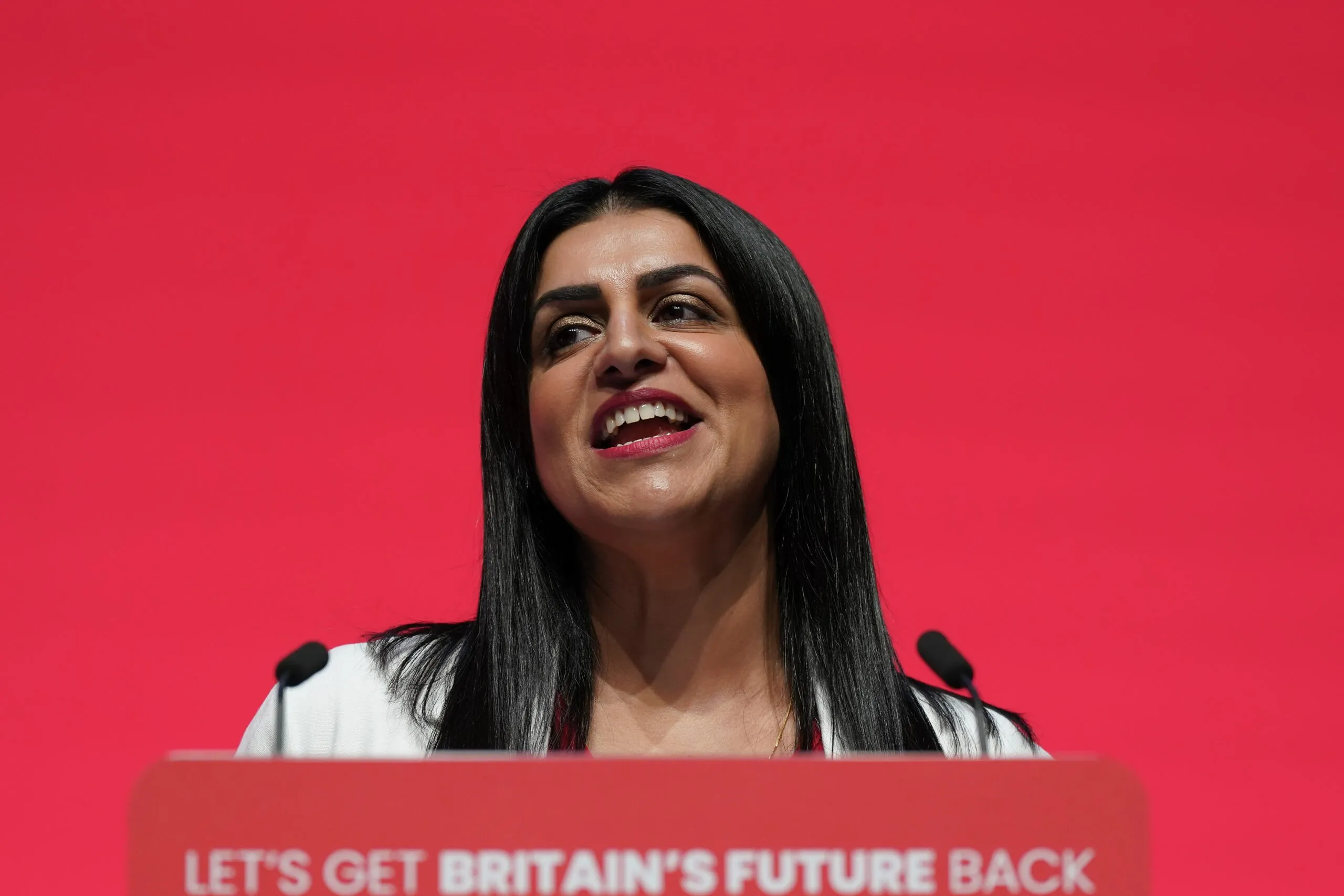
In light of the upcoming elections, Mahmood’s influence is more critical than ever. Her leadership in local campaigns has not only energised the Labour base in Birmingham but also attracted national attention. During a recent rally, she articulated the need for a green and equitable transition to a post-pandemic economy, resonating with many voters concerned about climate change and economic recovery.
Conclusion
Shabana Mahmood’s continued presence in UK politics signals a shift towards more inclusive representation within Parliament. As she champions the rights and needs of her constituents and broader communities, her path may very well inspire a new generation of leaders. Observers suggest that if Mahmood continues on this trajectory, she could hold a more significant role in shaping future Labour policies and initiatives. For voters in Birmingham and beyond, her story is not just about an individual; it reflects a broader movement toward progress and representation in the UK political landscape.
