Introduction
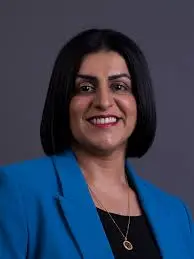
Shabana Mahmood has emerged as a significant figure in UK politics, representing the Birmingham Ladywood constituency as a member of the Labour Party. Her influence and stature in Parliament are increasingly important given the current sociopolitical climate, particularly regarding issues of diversity, representation, and policy-making that resonates with various communities across the UK. Mahmood’s journey and contributions are noteworthy, especially as she navigates the complexities of national governance while advocating for her constituents.
Political Journey
Shabana Mahmood was born on 29th July 1980 and is the daughter of Pakistani immigrants. She studied at the University of Birmingham and later pursued a career in law before transitioning to politics. After being elected as the Member of Parliament for Birmingham Ladywood in 2010, she quickly became known for her dedication to public service and her advocacy on pressing issues such as education, health care, and social justice.
Mahmood has held various positions within the Labour Party, including serving as Shadow Minister for Higher Education. Her commitment to ensuring that all individuals have equal access to education has made her a respected voice in Parliament. Recently, she has been involved in discussions surrounding the impacts of educational policies in the wake of the COVID-19 pandemic and how they can be improved to support underprivileged communities.
Current Initiatives and Challenges
In recent months, Shabana Mahmood has been vocal about the need for reform in several key areas, including the NHS and the integration of immigrants into British society. As the UK grapples with the ongoing effects of Brexit and the economic challenges posed by global uncertainties, Mahmood’s proposals for a more inclusive approach to policymaking resonate with many constituents who feel underserved.
Moreover, she has been an advocate for fighting climate change, supporting policies that promote sustainability and green energy solutions within Birmingham and beyond. Her recent participation in panel discussions at the Labour Party conference highlighted her vision for a greener, more equitable future.
Conclusion
Shabana Mahmood’s ascension in UK politics showcases the importance of diverse voices in shaping the future of governance. With her strong advocacy for education, health care, and sustainable practices, she is not only addressing the immediate needs of her constituents but also preparing for the challenges ahead. As UK politics continues to evolve, Mahmood’s role is likely to grow, making her a key player to watch in the coming years. Her ability to relate to and connect with the needs of her constituency affirms her position as a significant political figure in contemporary Britain.
