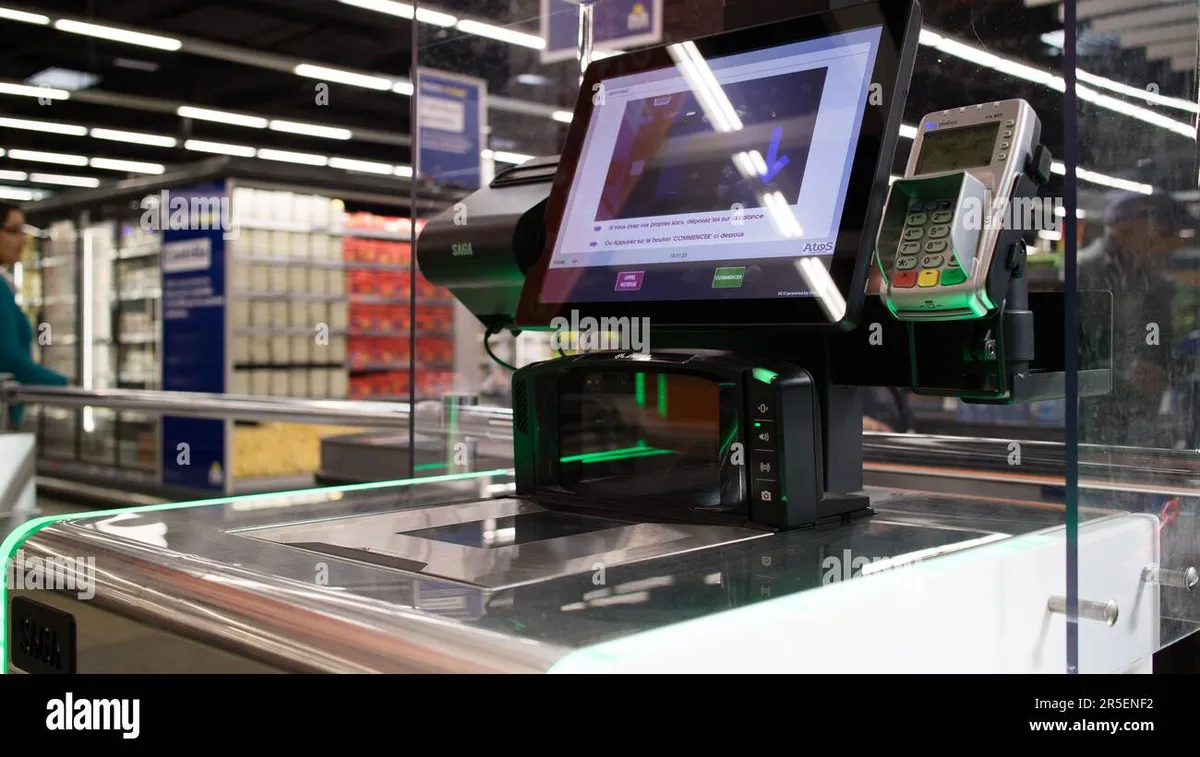
Walmart’s recent decision to remove self-checkout lanes at some stores signifies a dramatic shift in the retail landscape, particularly as concerns over theft continue to rise. The South Philadelphia location now stands as the only Walmart in the city without these automated checkouts.
This move stems from alarming statistics. A 2025 survey by LendingTree revealed that 27% of shoppers admitted to deliberately stealing items while using self-checkout systems. In fact, loss rates at these lanes can be up to 16 times higher than those at manned checkouts. Retail theft in the U.S. reached a staggering total of $90 billion, with self-checkout theft being a major contributor.
Walmart plans to remodel more than 650 stores across the U.S., transitioning back to cashier-led lanes. This decision reflects not just internal business needs but also feedback from associates and customers regarding their shopping experiences. “These changes are guided by feedback from associates and customers, local shopping patterns, and the needs of the business in each community,” a Walmart spokesperson explained.
This context matters because self-checkout systems gained popularity over the past decade as retailers sought to cut labor costs and enhance checkout speed. However, as retailers face increasing scrutiny over their effectiveness—especially concerning customer service and satisfaction—the tide seems to be turning against automation in certain markets.
Lawmakers are also getting involved; several states are considering new regulations for self-checkout systems. This growing political scrutiny reflects mounting concerns over retail theft and the broader implications of automation on job security within the industry.
The rollback of self-checkouts raises questions about the balance between efficiency and security. Are we witnessing a trend where retailers prioritize customer service over cost-cutting technologies? Observers note that this shift may signal a broader reassessment across the retail sector regarding whether self-service technology genuinely improves customer experiences.
As Walmart and other retailers navigate these challenges, they will likely introduce stricter item limits and increase employee supervision at remaining self-checkout lanes. The evolving landscape suggests that while automation has its benefits, it also brings significant risks that cannot be ignored.
The future of self-checkouts remains uncertain, but one thing is clear: retailers must adapt to changing consumer behaviors and security challenges if they wish to thrive in an increasingly complex market.
