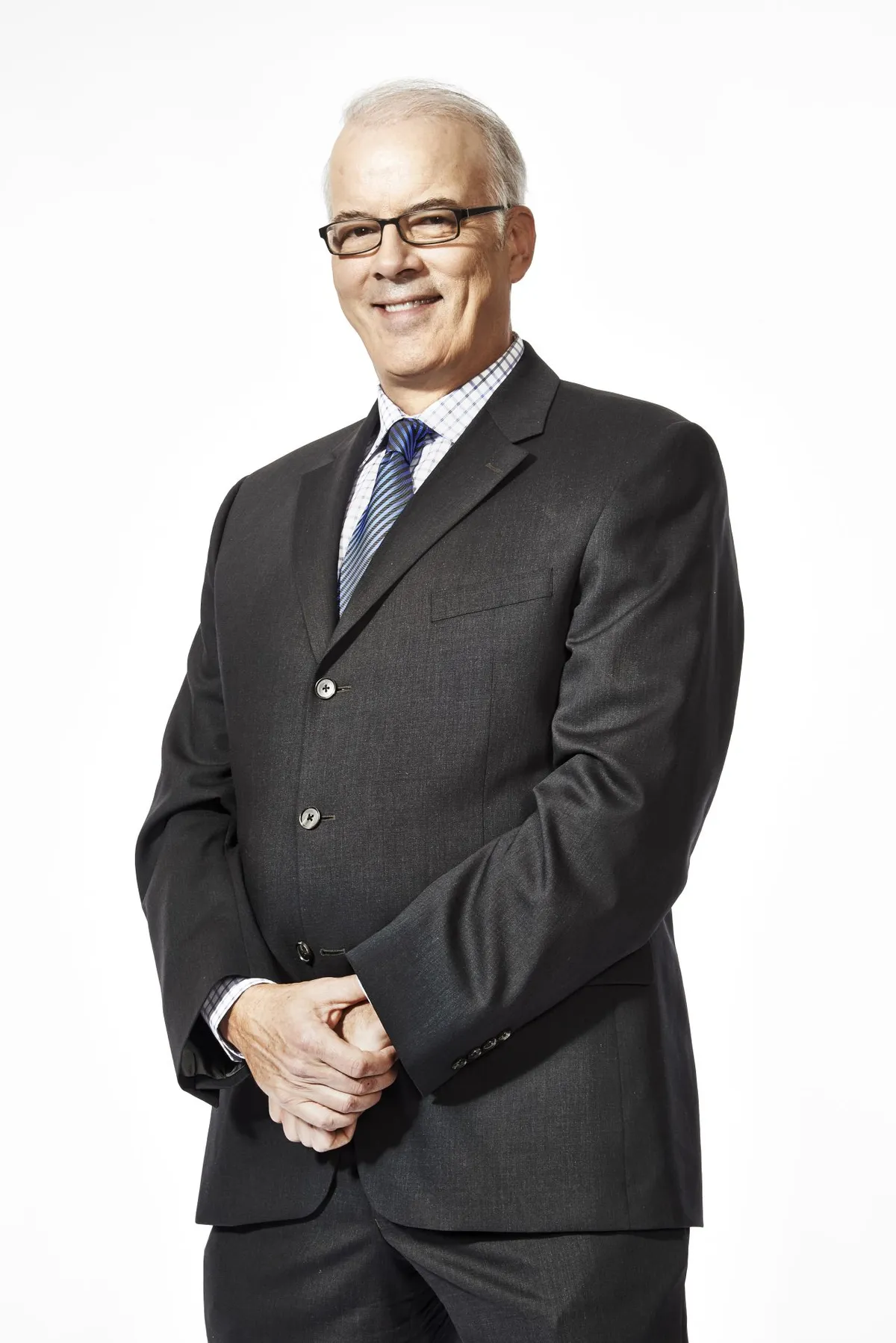
Scott Oake has enjoyed a long and storied career in broadcasting, primarily with Hockey Night in Canada, since he joined in 1989. His contributions to sports journalism have been significant, with memorable moments including his hosting of the second game of Hockey Night in Canada starting in the 2003-04 season. However, the landscape of Canadian sports broadcasting is set to change as Oake announced that he will retire at the end of the 2025-26 Stanley Cup Playoffs.
Before this announcement, Oake was a familiar face in households across Canada, known for his engaging post-game interviews that often produced viral moments, including notable exchanges with players like Ryan Reaves. His work on the program After Hours, which he helped establish, has been a staple of the Hockey Night in Canada experience since its original airing in the 2000-01 season.
The decisive moment came when Oake publicly stated, “This will be my final season broadcasting and I will step away following the Stanley Cup Playoffs.” This announcement has left fans and colleagues reflecting on his impactful career and the legacy he leaves behind.
Oake’s retirement will undoubtedly affect the dynamics of Hockey Night in Canada. As one of the most respected figures in sports broadcasting, his absence will be felt not only by viewers but also by the players and fellow broadcasters who have come to rely on his insights and professionalism. The show will “look a bit different going forward,” as noted by insiders.
In addition to his broadcasting achievements, Oake founded the Bruce Oake Recovery Centre in Winnipeg after the tragic death of his son from an overdose in 2011. This initiative highlights his commitment to community and recovery, further solidifying his legacy beyond sports.
As Oake prepares for his final appearance on April 11, 2026, fans are encouraged to celebrate his contributions and the moments he has shared with them over the decades. His career has not only shaped the way hockey is presented on television but has also influenced many aspiring broadcasters.
Experts in the field have noted that Oake’s retirement marks the end of an era for Canadian sports broadcasting, emphasizing the need for new voices to emerge in the industry. The transition may present challenges, but it also opens the door for fresh perspectives in a beloved program.
Details remain unconfirmed regarding who will take over Oake’s role and how the show will adapt to this significant change. For now, fans can look forward to celebrating a remarkable career that has left an indelible mark on the fabric of Canadian sports culture.
