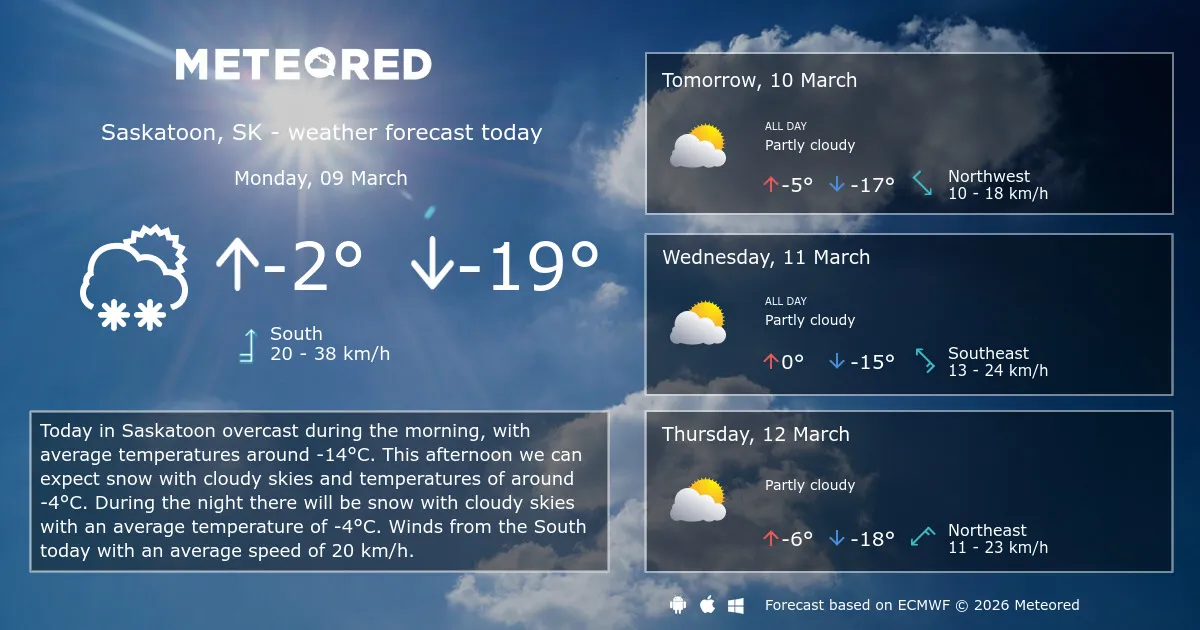
Background on Saskatoon Weather and Infrastructure
Saskatoon city council has long acknowledged issues with infrastructure maintenance, primarily attributed to low tax increases that have persisted since the 1990s. As the city grapples with ongoing weather challenges, these issues have become increasingly pressing.
Recent Developments
In a recent statement, Saskatoon Mayor Cynthia Block emphasized the need for a reevaluation of the property tax model, declaring it obsolete. This comes in the wake of a record property tax increase of 7.43 percent approved by the city council in 2014, aimed at repairing roads and addressing infrastructure needs.
As of March 9, 2026, Saskatoon’s population is estimated to exceed 318,000, with a regional population surpassing 380,000. Despite these figures, the city has seen a nearly 10 percent drop in property taxes per capita over the last decade when adjusted for growth and inflation.
Comparative Tax Increases
In light of these challenges, other municipalities in Saskatchewan have also raised property taxes. For instance, Regina city council recently passed a budget that includes a 10.9 percent property tax increase, while Moose Jaw’s tax increase was recorded at 6.95 percent. Saskatoon itself levied a 6.7 percent increase, reflecting the broader trend of municipalities seeking to bolster their funding in response to infrastructure demands.
Reactions and Future Outlook
Mayor Block remarked, “You can’t continue to do more with less forever,” highlighting the urgency of addressing the funding model. She further stated, “I will not be content until we get to the other side of this crisis,” indicating a commitment to finding sustainable solutions.
As the city navigates these weather-related challenges, officials and observers are closely monitoring the situation to determine the best path forward for Saskatoon’s infrastructure and financial health. Details remain unconfirmed regarding specific future measures that may be implemented to address these ongoing issues.
