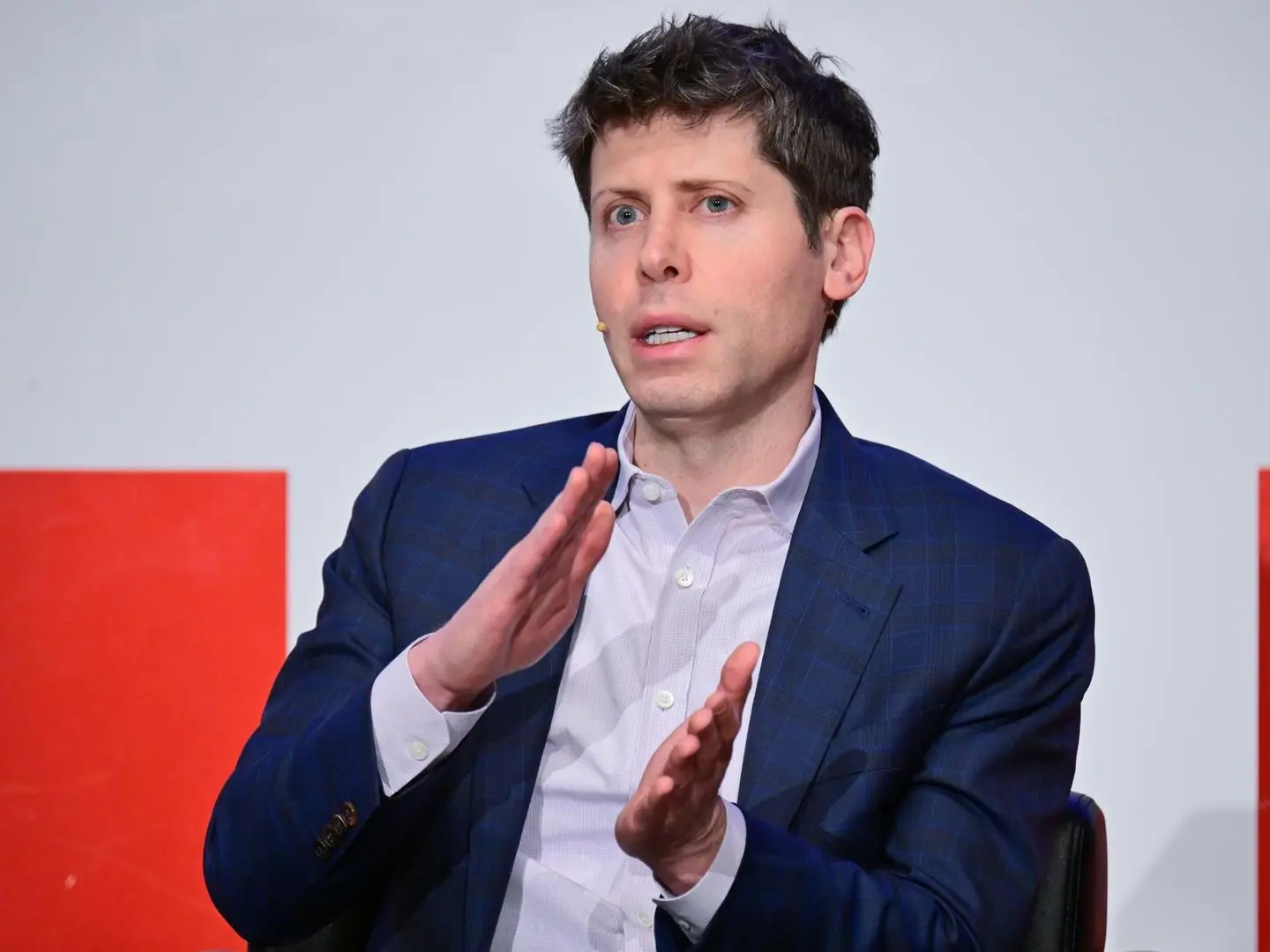
Introduction to Sam Altman
Sam Altman is a prominent figure in the tech world, known for his role as CEO of OpenAI, a company at the forefront of artificial intelligence (AI) development. His work is incredibly relevant today as the rapid advancement of AI technologies continues to shape various industries, from healthcare to finance, making it essential to understand his influence and vision for the future.
Background and Career
Born on April 22, 1985, in Chicago, Illinois, Altman’s journey in technology began with his education at Stanford University, although he left before completing his degree to pursue entrepreneurial ventures. He co-founded Loopt, a location-based social networking app, which was acquired in 2012. This success caught the attention of Y Combinator, a prestigious startup accelerator where Altman became president in 2014. Under his leadership, Y Combinator significantly expanded its reach, investing in numerous successful startups.
At the Helm of OpenAI
In 2019, Altman became the CEO of OpenAI, an artificial intelligence research lab founded with the mission of ensuring that AGI (Artificial General Intelligence) benefits humanity. OpenAI has developed groundbreaking technologies such as GPT-3, which powers various applications by understanding and generating human-like text. Altman’s vision for OpenAI involves balancing powerful AI capabilities with ethical considerations to prevent misuse and address safety concerns.
Recent Developments
Recently, OpenAI unveiled ChatGPT-4, which boasts improved capabilities and a deeper understanding of context and nuance in conversations. This development has attracted significant attention globally, leading to discussions on how such powerful AI tools can be integrated responsibly into society. Furthermore, Altman has been vocal about the need for regulation in AI to ensure compliance and safety, a stance that aligns with growing calls from policymakers and industry experts.
Conclusion: Altman’s Impact and the Future
Sam Altman’s influence on the tech landscape is undeniable, particularly as AI continues to evolve at an unprecedented pace. His commitment to ethical AI development and the advocacy for safety standards highlight the responsibilities that come with technological advancement. As AI applications become more integrated into daily life, keeping an eye on Altman’s initiatives and perspectives will be crucial for understanding how society navigates this transforming landscape. For readers, following developments from Altman and OpenAI will be key to grasping the future trajectory of technology in their lives.
