The numbers
Saleh Mohammadi was executed by hanging on March 19, 2026, at the age of just 19. This tragic event occurred in Qom, Iran, and has drawn significant attention due to the circumstances surrounding his trial and execution.
Mohammadi was accused of killing two police officers during protests, a claim that has been met with skepticism by human rights advocates. His execution was part of a broader crackdown on dissent in Iran, where the regime has a history of targeting protesters and dissenters, particularly during times of unrest.
The Iranian judiciary sentenced Mohammadi to death on February 4, 2026, following a trial that lacked due process and involved forced confessions. Reports indicate that his hands were fractured from beatings prior to his execution, raising serious concerns about the treatment of detainees in the Iranian legal system.
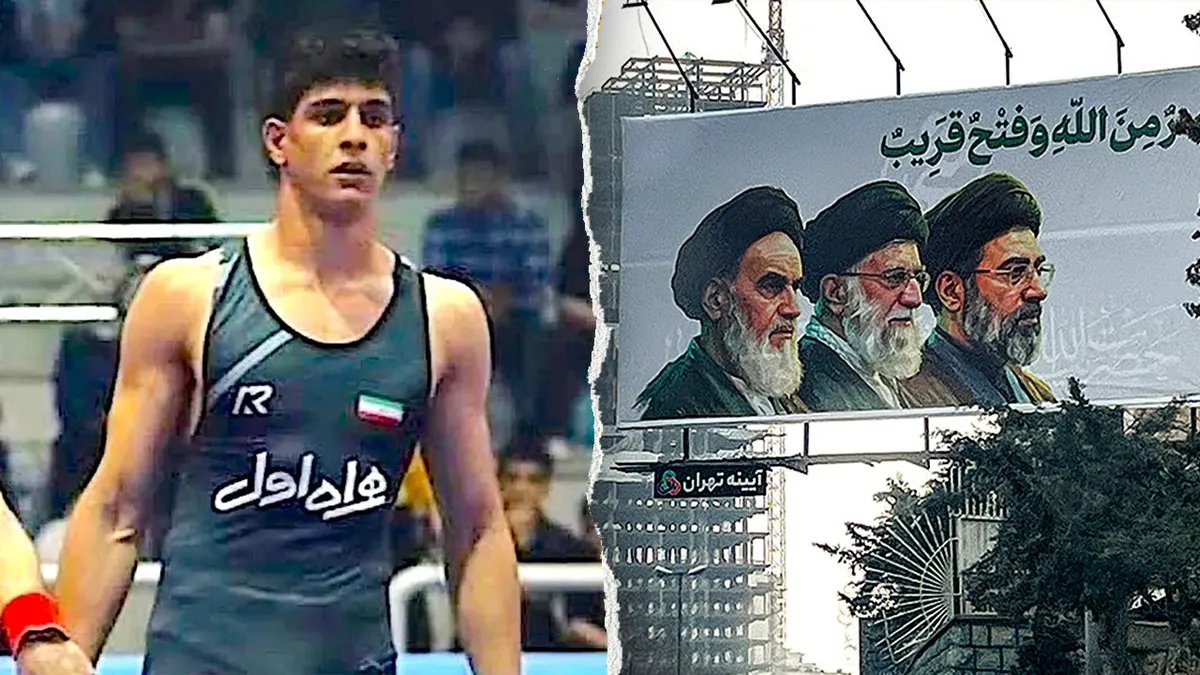
Mohammadi was not just a protester; he was also a champion wrestler and a member of Iran’s national wrestling team. He had previously won a bronze medal at the Saytiyev International Cup in September 2024, showcasing his talent and potential in the sport.
The execution of Mohammadi has been condemned by various human rights activists and organizations. Nima Far, a prominent human rights advocate, described the execution as “a blatant political murder, part of the Islamic Republic’s pattern of targeting athletes to crush dissent and terrorize society.” Similarly, the Center for Human Rights in Iran (CHRI) stated, “Executing these young protesters in public, after sham trials built on torture and forced confessions, is state-sanctioned murder designed to terrorize the population and send a clear message: any act of dissent will be met with death.”
International reactions have also been swift. The U.S. State Department expressed deep concern over the execution, highlighting Mohammadi’s age and status as a wrestling champion. Alizreza Nader, another commentator, remarked, “I feel very bad for him and his family. There should be a boycott of the regime when it comes to international sport.” These statements reflect a growing unease about the Iranian government’s approach to dissent and its implications for human rights.
As the world watches, the implications of Mohammadi’s execution extend beyond his individual case. It serves as a stark reminder of the Iranian regime’s ongoing repression of dissent and the risks faced by those who dare to speak out. Details remain unconfirmed regarding the full extent of the international response and potential actions that may be taken against the Khamenei regime in light of this tragic event.
