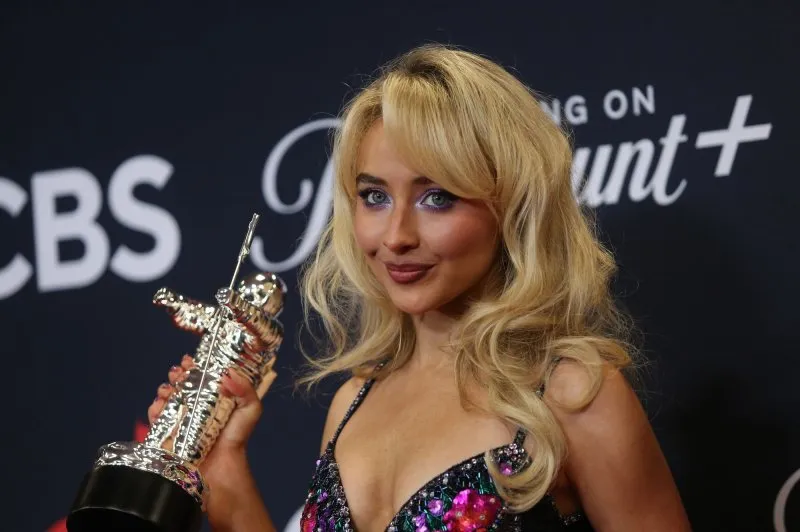
Before the recent developments at Coachella 2026, expectations for Sabrina Carpenter’s performance were high. Having last graced the Coachella stage in 2024, fans anticipated a memorable return, especially as she was set to headline alongside major artists like Justin Bieber and Karol G.
However, the atmosphere shifted dramatically during her performance on April 11, 2026. Carpenter’s set, which included an impressive 20 songs and a notable 7-minute monologue by actress Susan Sarandon, was overshadowed by her comments regarding the traditional Arabic celebratory call known as the Zaghrouta.
During her performance, Carpenter expressed confusion about the Zaghrouta, referring to it as “weird.” This remark quickly ignited a backlash on social media, with many criticizing her lack of cultural awareness. In response to the uproar, Carpenter issued an apology, stating, “my apologies i didn’t see this person with my eyes and couldn’t hear clearly. my reaction was pure confusion, sarcasm and not ill intended. could have handled it better! now i know what a Zaghrouta is! I welcome all cheers and yodels from here on out.”
The incident highlights the delicate balance artists must maintain between performance and cultural sensitivity. While Carpenter’s intention may not have been malicious, her comments reflect a broader issue of understanding and respecting diverse cultural expressions.
Experts in cultural studies emphasize the importance of artists being informed about the traditions they encounter, especially in a globalized setting like Coachella, which celebrates a myriad of cultures. The Zaghrouta, a form of ululation common in the SWANA region, is a powerful expression of joy and celebration, and misinterpretations can lead to significant misunderstandings.
Despite the controversy, Carpenter’s performance remained a significant event at Coachella, showcasing her talent and ability to draw crowds. The presence of notable figures like Sam Elliott and Will Ferrell during her set added to the spectacle, yet the incident serves as a reminder of the responsibilities that come with celebrity.
As the festival continues, the reactions to Carpenter’s comments will likely linger, prompting discussions about cultural appreciation versus appropriation in the music industry. This moment at Coachella 2026 may serve as a pivotal learning experience for both the artist and her audience.
