Introduction
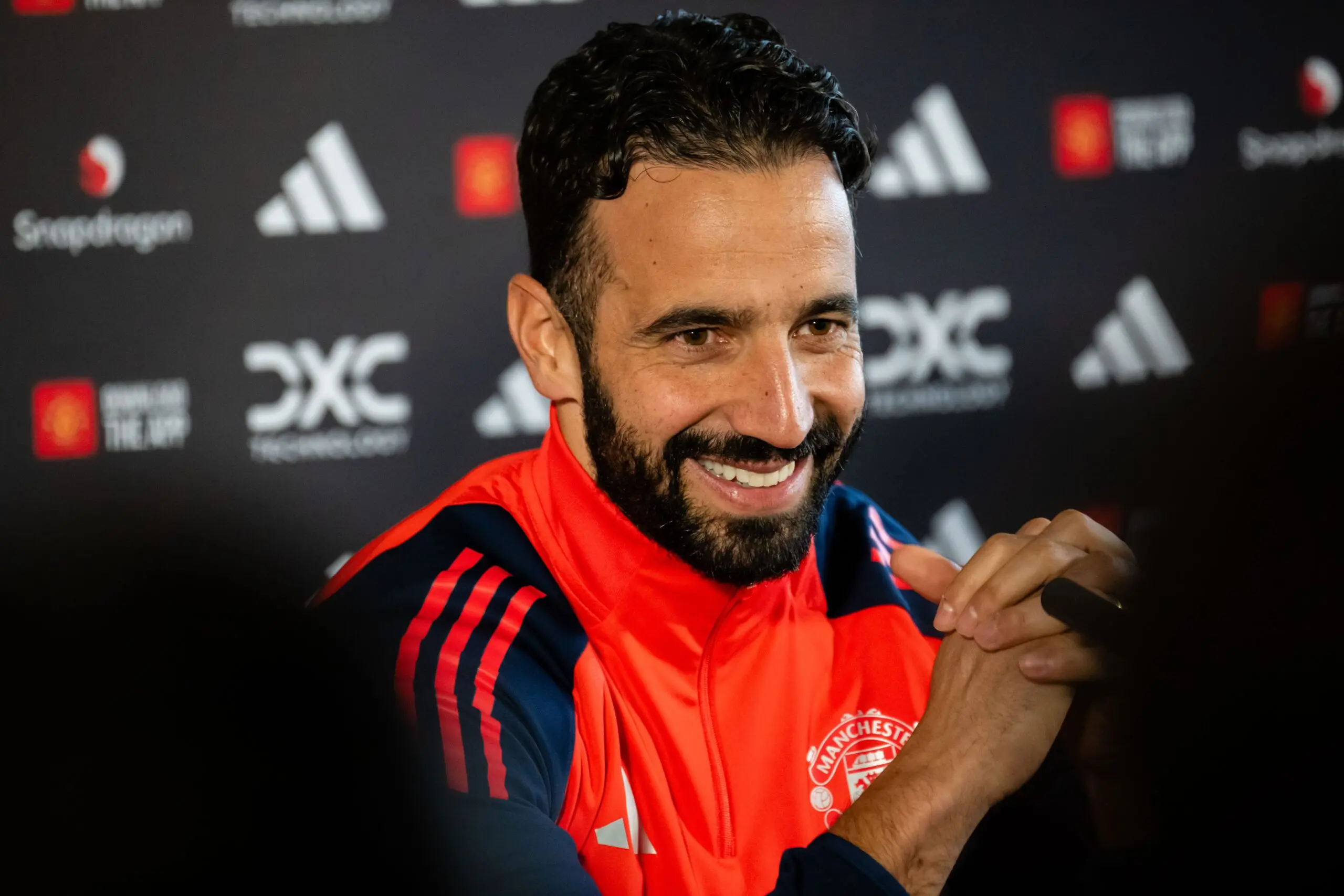
Ruben Amorim, a name that has been gaining prominence in the realm of football management, encapsulates the spirit of modern coaching. His journey from a player to a head coach has been marked by incredible achievements, making him a figure of interest amongst football enthusiasts and analysts alike. As the current head coach of Sporting CP, Amorim has not only revitalised the team but has also showcased the potential of young managers making their mark in Europe.
Early Career as a Player
Born on October 15, 1985, in Barreiro, Portugal, Ruben Amorim began his footballing career as a midfielder. He played professionally for clubs like Casa Pia, and later, for the prestigious Benfica, where he spent over five years. Amorim’s playing career, however, was marred by injuries that led to his early retirement at just 32 years old. He transitioned to coaching shortly after, quickly discovering his passion for management.
Transition to Management
Amorim commenced his managerial career with the Benfica youth teams, showcasing a knack for developing young talent. His breakthrough came when he took over at Casa Pia S.C. and then proceeded to join Sporting CP’s under-23 squad. Under his stewardship, the team experienced noticeable improvements. In March 2020, following a series of impressive results, Amorim was appointed as the head coach of Sporting CP.
Achievements with Sporting CP
Ruben Amorim’s tenure at Sporting CP has been nothing short of transformative. In just his first season, he guided the club to its first Primeira Liga title in 19 years, ending a long period of dominance by rival teams. Amorim’s tactical acumen and ability to motivate his players have been crucial in reshaping the team. His focus on integrating youth players into the first team has further buttressed Sporting’s reputation for producing talent.
Recognition and Future Prospects
Amorim’s success has not gone unnoticed; he was awarded the Primeira Liga Coach of the Year in 2021 and has been hailed as one of Europe’s brightest young managers. With clubs across Europe taking an interest in his methods, observers are keen to see whether he will remain at Sporting or seek a larger challenge abroad. Ruben Amorim represents a new generation of football managers who emphasize both tactical innovation and player development, and his future promises to be very exciting.
Conclusion
The rise of Ruben Amorim highlights the increasing significance of young managers in football today. His journey from tangible player to a transformative coach illustrates the potential for fresh ideas within the game. As football continues to evolve, managers like Amorim may very well define the next chapter in sporting excellence, presenting a hopeful future for clubs seeking innovative leadership.
