Introduction
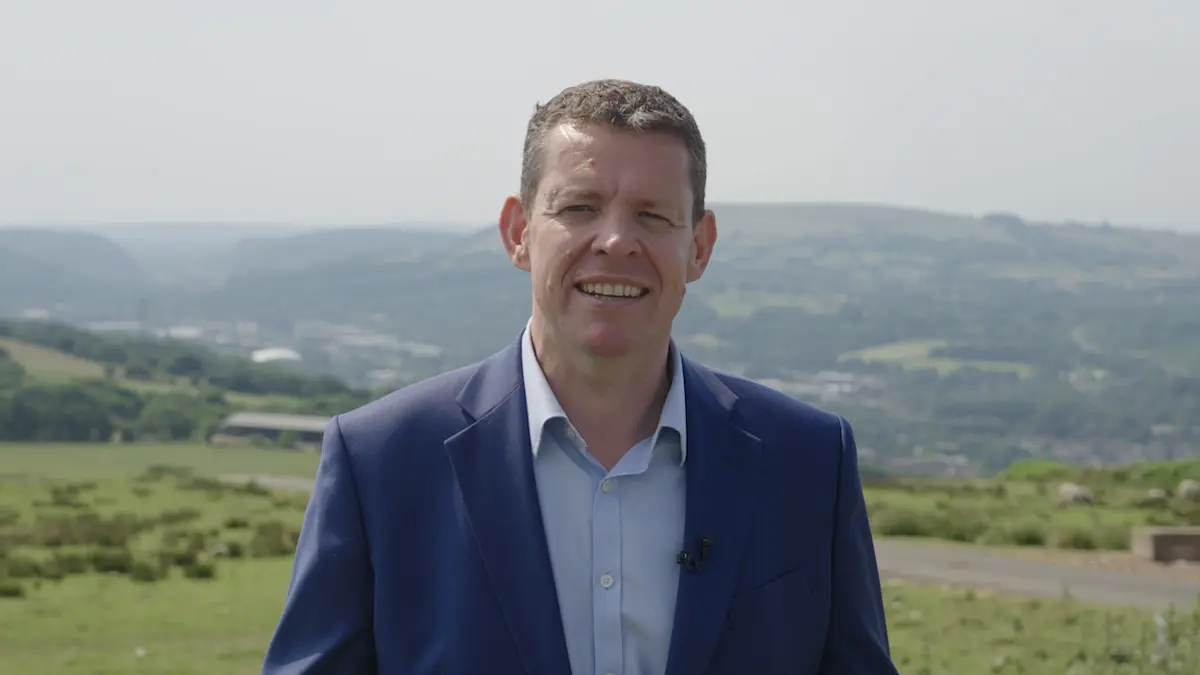
Rhun ap Iorwerth, a prominent Welsh politician, has become an increasingly significant figure in the landscape of Welsh politics. As the leader of Plaid Cymru in Ynys Môn, his influence continues to grow, particularly in discussions surrounding Welsh independence, local governance, and environmental policies. Understanding his role and recent developments is crucial for those interested in the political climate of Wales and its future.
Recent Developments
In recent months, Rhun ap Iorwerth has been vocal about various pressing issues including the cost-of-living crisis, health care reforms, and the promotion of the Welsh language. During a recent party conference, he addressed supporters, highlighting the need for robust measures to support local communities in light of escalating living costs. His emphasis on sustainable economic growth resonates with many constituents, especially considering the challenges posed by Brexit and the ongoing pandemic recovery.
In terms of constituency matters, ap Iorwerth has been actively involved in advocating for improved public services in Ynys Môn. His calls for increased funding for local health services have garnered attention, as residents have expressed concerns over access to essential medical care. He has pledged to work tirelessly to ensure that these services are adequately supported by the Welsh Government.
Relationship with Other Political Figures
Rhun’s leadership has also been characterised by a collaborative approach, working alongside other political groups to address common concerns. For instance, he has joined forces with members of the Labour Party to push for greater investment in renewable energy projects in Wales, showcasing a shared commitment to tackling climate change and promoting green jobs.
Conclusion
Looking ahead, Rhun ap Iorwerth’s role within Welsh politics is expected to expand, particularly as discussions surrounding Welsh independence continue to gain traction. His advocacy for local issues and sustainability aligns with a growing sentiment among Welsh voters who desire a more autonomous governance structure. As Wales navigates the complexities of post-Brexit politics and strives for a sustainable future, the contributions of leaders like Rhun ap Iorwerth will be pivotal in shaping the discussions that lie ahead. For readers, understanding his initiatives and positions will provide insight into the evolving landscape of Welsh governance and the prospects for both local and national policy reforms.
