Introduction
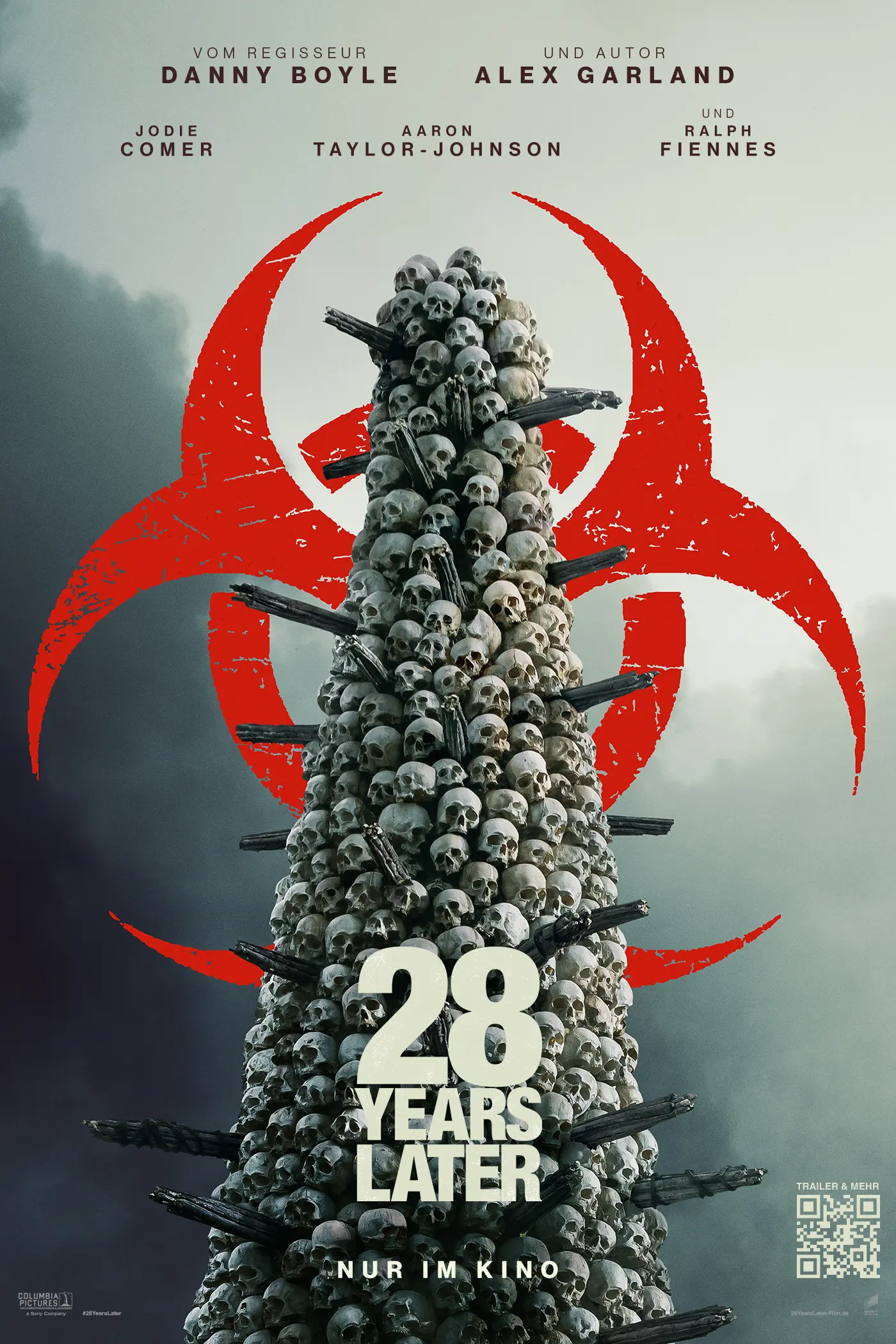
The release of “28 Days Later” in 2002 reshaped the landscape of horror cinema and introduced a generation to a new wave of apocalyptic storytelling. As we mark 28 years since the film’s debut, it is essential to reflect on its significant cultural impact, innovations in filmmaking, and enduring legacy that reverberates through popular culture.
The Evolution of the Zombie Genre
Directed by Danny Boyle and written by Alex Garland, “28 Days Later” is often credited with revitalising the zombie genre, merging elements of horror and science fiction. The film introduced the concept of fast-moving infected individuals, deviating from the traditional slow, lumbering zombies that had dominated earlier works. This change not only heightened the suspense but also set a new standard for future entries in the genre, influencing films like “World War Z” and television series such as “The Walking Dead.” The cultural phenomenon that followed the film’s release illustrates its profound effect on how audiences engage with post-apocalyptic narratives.
Technological Innovations and Filmmaking
Aside from the narrative advancements, “28 Days Later” showcased innovative filmmaking techniques, notably the use of digital video technology, which was relatively nascent at the time. Boyle’s decision to film using handheld cameras not only heightened the sense of realism but also contributed to the film’s gritty visual aesthetic. The distinct use of London’s deserted streets, particularly in scenes like the iconic moment when Jim awakens in a silent city, added an eerie authenticity to the film, aligning with the themes of loneliness and desperation in a post-apocalyptic world.
Cultural Impact and Current Significance
The influence of “28 Days Later” extends beyond the horror genre. In recent years, it has been revisited in discussions about societal responses to global crises, such as the COVID-19 pandemic. The themes of isolation, survival, and the fragility of civilization resonate with contemporary audiences, making the film feel relevant even 28 years later. Additionally, its exploration of human behaviour under extreme circumstances invites valuable discourse on ethics and morality, especially in relation to public health emergencies.
Conclusion
As we reflect on the legacy of “28 Days Later,” it remains evident that its contribution to cinematic history transcends its genre. The film not only redefined horror in the early 2000s but also opened a dialogue about the human condition in the face of catastrophe. Its relevance continues to challenge and inspire filmmakers, reminding us of our eternal struggle between hope and despair. With such a cultural footprint, it is likely that “28 Days Later” will endure as a pivotal reference point in cinema for many more decades to come.
