Introduction
Measles is a highly contagious viral infection that can lead to severe complications, especially in young children. As global vaccination rates fluctuate, there is a renewed concern about measles outbreaks in various regions, making it essential for individuals to recognize the symptoms early. Understanding measles symptoms is not only vital for personal health but also for public health, as early identification can help contain the spread of this contagious disease.
Common Symptoms of Measles
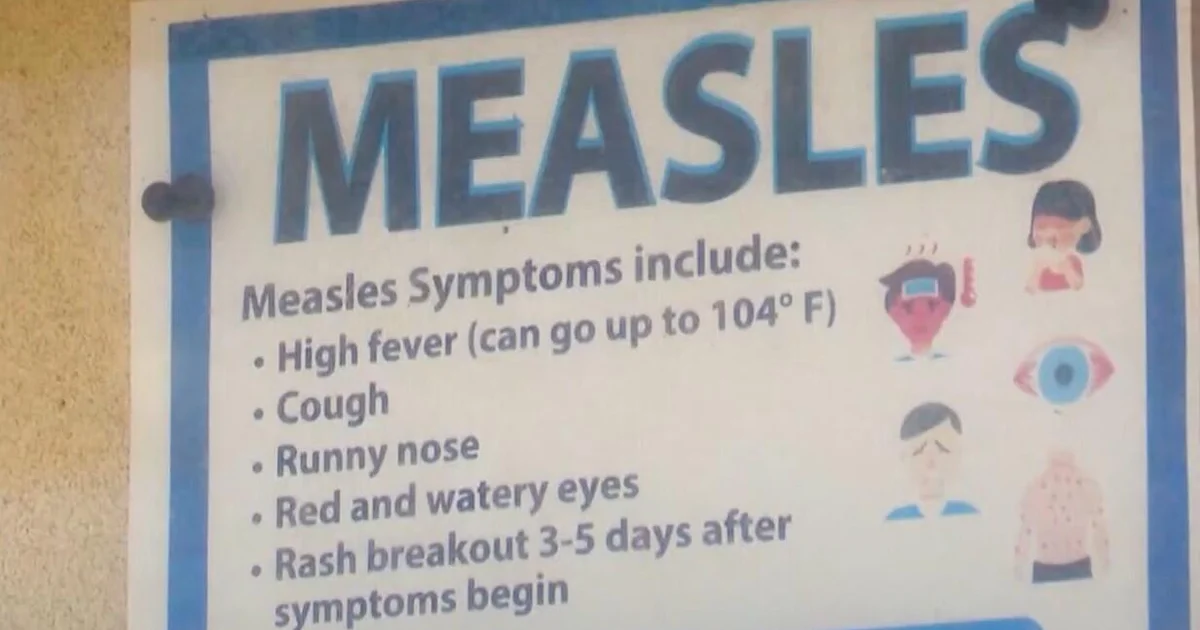
The symptoms of measles typically appear 10 to 14 days after exposure to the virus. Initial symptoms often resemble those of a common cold and can include:
- High fever: Usually, the initial sign, reaching up to 40°C (104°F).
- Cough: A dry cough that can escalate as the illness progresses.
- Runny nose: Nasal congestion and discharge are common early indicators.
- Red eyes: Known as conjunctivitis, this occurs due to the virus affecting the eyes.
Rash Development
Approximately 3 to 5 days after the onset of the initial symptoms, an important characteristic of measles appears: the rash. The rash typically starts at the hairline, spreads downwards, and can be sorted into three phases:
- Maculopapular: Flat red spots that develop into raised bumps.
- Confluent: Spots merge to form larger patches.
- Crisis: Fading rash that may leave a brownish discoloration of the skin.
Complications of Measles
If left untreated, measles can lead to serious complications. These may include:
- Pneumonia: A leading cause of death related to measles.
- Encephalitis: Inflammation of the brain that can result in permanent neurological damage.
- Subacute Sclerosing Panencephalitis (SSPE): A rare but fatal disease that can develop years after infection.
Vaccination is the most effective way to prevent measles and its consequential symptoms. The MMR (measles, mumps, and rubella) vaccine is commonly used to protect against this infection.
Conclusion
Understanding measles symptoms is crucial for timely intervention and treatment. As public health officials work to improve vaccination rates and educate communities, individuals should remain vigilant about recognising these symptoms. Early diagnosis is key to preventing complications, reducing the spread of the virus, and protecting vulnerable populations. The relevance of awareness and education around measles symptoms cannot be overstated, particularly as the global landscape continues to change in terms of health threats. By maintaining compliance with vaccination schedules and fostering awareness, communities can collectively safeguard their health.
