Introduction
The occurrence of fighter jet crashes has significant implications for military operations, aviation safety, and public confidence in air power. Recent incidents highlight the ongoing challenges faced by modern air forces, raising questions about technology reliability, pilot training, and aircraft maintenance. Understanding these accidents is crucial not only for improving safety but also for ensuring the effectiveness of national defence.
Recent Incidents
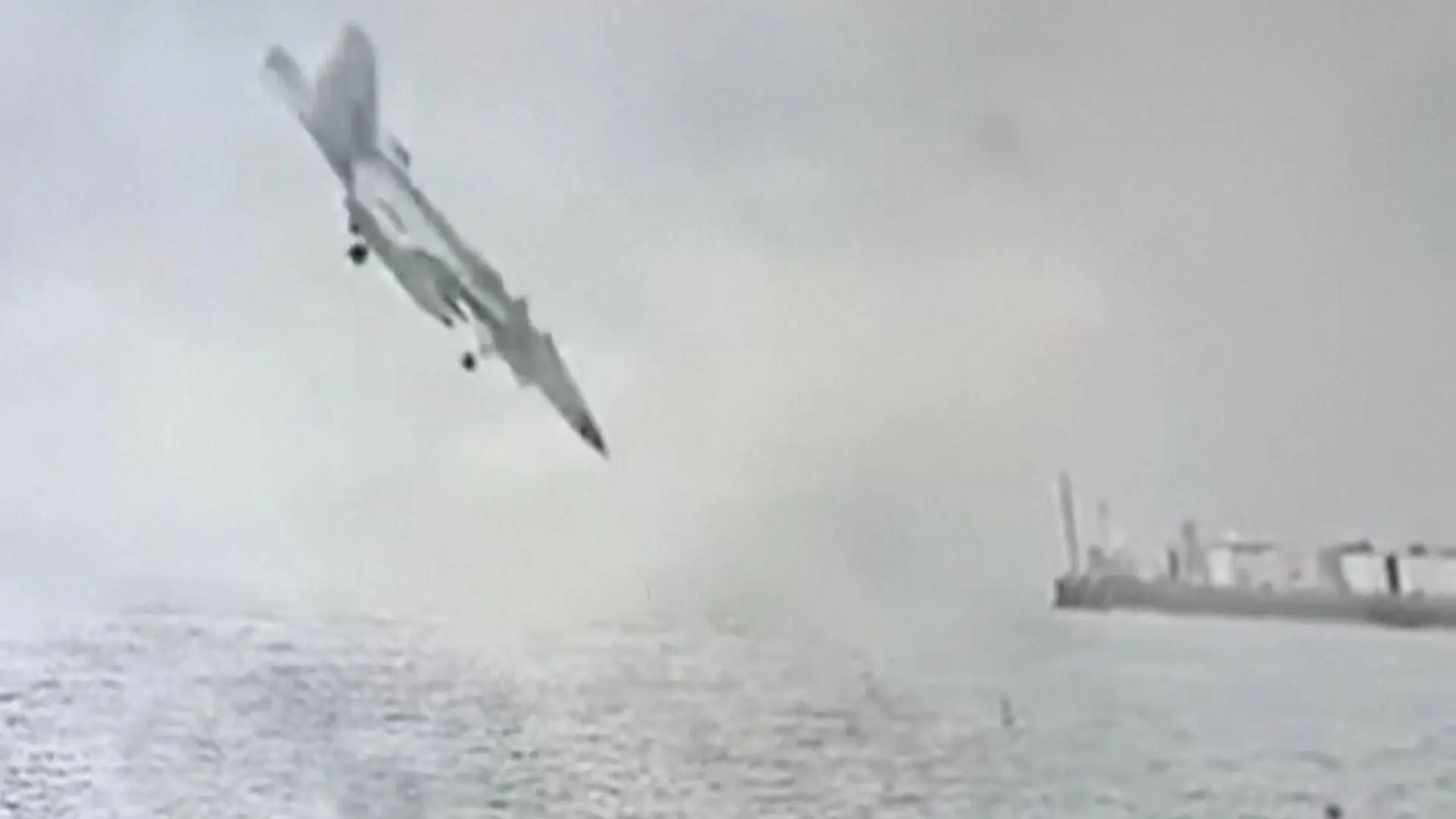
One of the notable incidents occurred earlier this month when a British Royal Air Force (RAF) Eurofighter Typhoon crashed during a routine training exercise in Scotland. Fortunately, the pilot ejected safely, and no civilian casualties were reported, but the crash sparked an immediate investigation into the cause. Eyewitness accounts described a loud noise and a plume of smoke shortly after the jet took off, underscoring the sudden nature of such events.
Another significant case involved the crash of a U.S. Air Force F-15 fighter jet in a mountainous area in Alaska, which left behind wreckage scattered over a remote location. Authorities confirmed the pilot was missing, prompting a search and rescue operation that continued for several days. Such incidents not only threaten the lives of pilots but also raise concerns over the potential for environmental hazards in sensitive regions.
Factors Contributing to Fighter Jet Crashes
Multiple factors can contribute to fighter jet crashes, including mechanical failure, human error, and adverse weather conditions. The complexity of modern fighter jets, which incorporate cutting-edge technology, poses both advantages and challenges. While these systems enhance combat capabilities, they also require exceptional piloting skills and rigorous maintenance protocols. The military aviation community must continuously address these challenges and adjust training programs to reflect the evolving nature of aerial combat.
Conclusion
The pattern of recent fighter jet crashes serves as a poignant reminder of the constant risks faced by those in the skies. As investigations into these accidents continue, it is imperative for military organisations to implement effective changes to training and equipment management to reduce future incidents. With the demand for advanced aerial capabilities growing, the significance of learning from these tragedies cannot be overstated. Future developments in fighter jet safety and technology are likely to revolve around enhancing pilot training, fostering an understanding of mechanical reliability, and emphasizing the importance of rigorous safety protocols.
