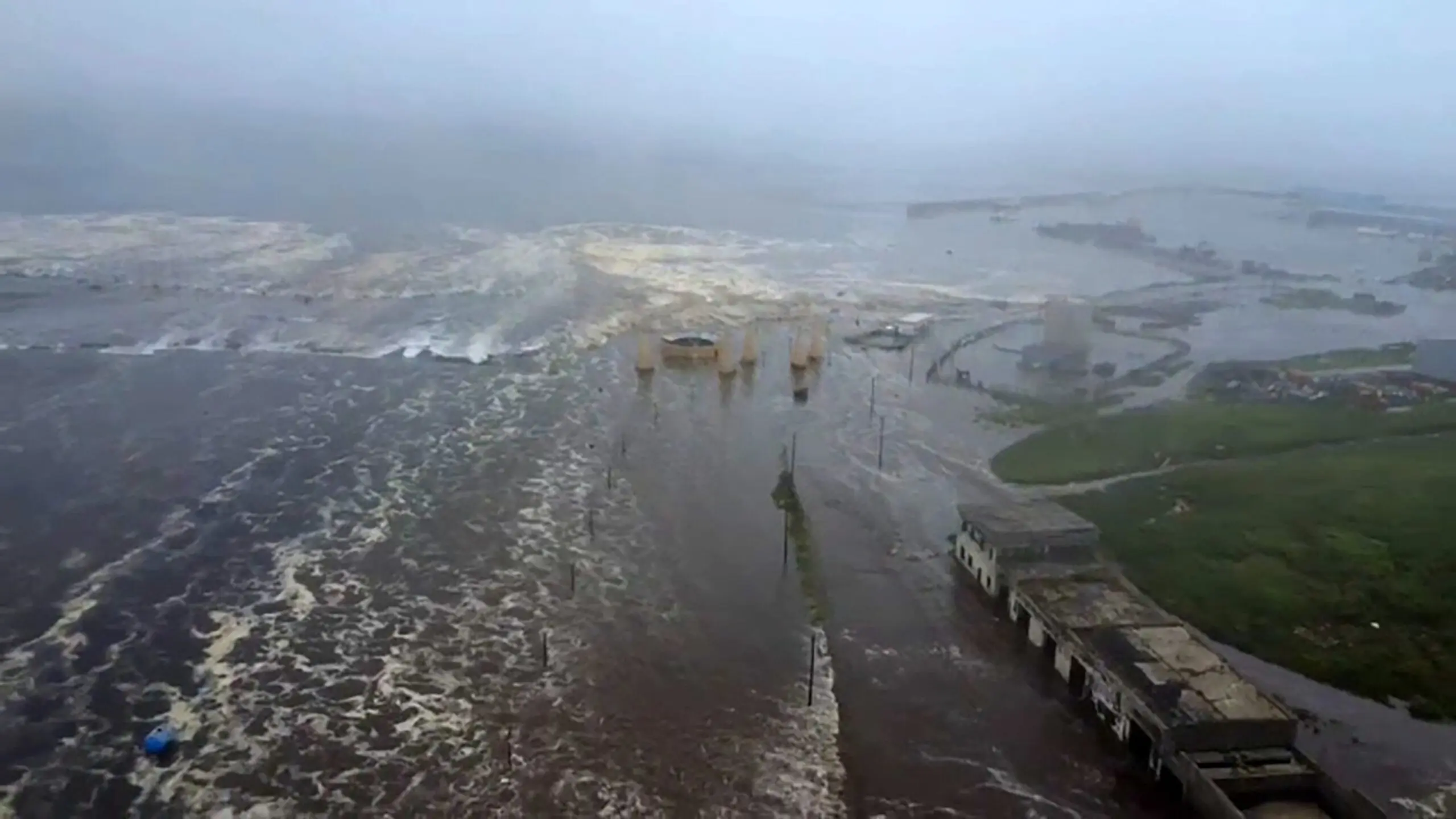
Understanding Recent Seismic Activity in Russia
As one of the largest countries in the world, Russia is no stranger to seismic activity. Earthquakes occur frequently, especially in the eastern regions such as Kamchatka and the Kuril Islands. Recently, a series of noticeable earthquakes have raised concerns about potential tsunami threats, impacting communities and prompting evacuations.
Latest Earthquake Events
In the past month, numerous earthquakes measuring 5.0 and above on the Richter scale have occurred in Russia’s Pacific regions. Notably, a 6.1 magnitude earthquake struck near the Kuril Islands early this week, leading to immediate warnings of possible tsunamis. The Russian Academy of Sciences reported that aftershocks could be expected, adding to the anxiety of residents living in coastal areas.
Government Response and Preparedness
The Russian government and emergency services have initiated precautionary measures following the seismic activities. Local authorities have conducted drills to prepare citizens for seismic events and potential evacuation impacts. In coastal cities, tsunami alert sirens have been tested, and information campaigns have begun to educate residents on emergency procedures.
Global Context and Comparisons
While seismic events in Russia, especially earthquakes and tsunamis, may seem alarming, it is crucial to understand they are common in tectonically active regions. Countries like Japan and Indonesia experience similar challenges with more frequent and severe consequences. The recent events in Russia serve as a reminder of the importance of preparedness and the need for ongoing research into seismic activities.
Conclusion: Implications and Future Outlook
As Russia continues to experience earthquake activity, the potential for tsunamis remains a serious concern for vulnerable coastal communities. Experts predict that with ongoing tectonic shifts, increased monitoring and public preparedness efforts will be essential. Staying informed and being aware of safety protocols can make a significant difference in mitigating the impact of such natural disasters.
