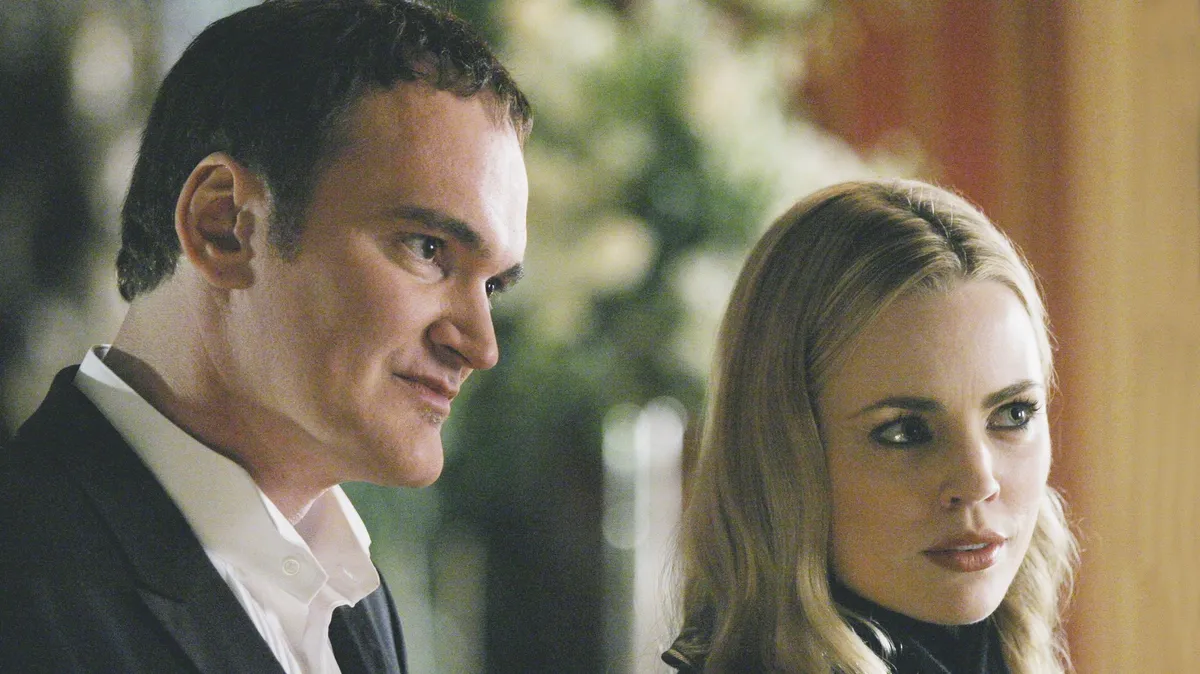
Quentin Tarantino is renowned for his distinctive filmmaking style, with notable works including Pulp Fiction, Kill Bill, and Django Unchained. His films often provoke discussions about violence and language, particularly regarding the use of racial slurs.
Prior Expectations
Before the recent developments, Tarantino’s films were celebrated for their bold storytelling and unique dialogue. However, they also faced criticism for their portrayal of race and violence, with many viewers divided on the impact of his artistic choices.
Decisive Moment
The situation escalated when Rosanna Arquette, who played the wife of drug dealer Lance in Pulp Fiction, condemned Tarantino’s use of a racial slur during an interview with The Sunday Times. This comment drew significant media attention, with 132 outlets covering her remarks.
Immediate Effects
Tarantino responded sharply, accusing Arquette of disrespecting him and the film for what he perceived as publicity-seeking motives. He stated, “I hope the publicity you’re getting from 132 different media outlets writing your name and printing your picture was worth disrespecting me and a film I remember quite clearly you were thrilled to be a part of?”
Expert Perspectives
Critics have noted that Tarantino’s films, while often lauded for their artistic merit, continue to spark debates about race and representation in Hollywood. Samuel L. Jackson, a frequent collaborator, has defended Tarantino’s use of the N-word, suggesting that it is a part of the narrative context rather than gratuitous. However, Arquette’s comments highlight a growing concern over the implications of such language in contemporary cinema.
Ongoing Controversy
Arquette’s remarks have reignited discussions about Tarantino’s legacy and the responsibilities of filmmakers in addressing sensitive topics. She expressed her frustration, stating, “I hate it. I cannot stand that [Tarantino] has been given a hall pass. It’s not art, it’s just racist and creepy.”
The exchange between Tarantino and Arquette underscores the complexities of artistic expression in film, particularly regarding race. As the conversation continues, both parties remain at the center of a broader dialogue about accountability and the impact of language in cinema.
