Introduction
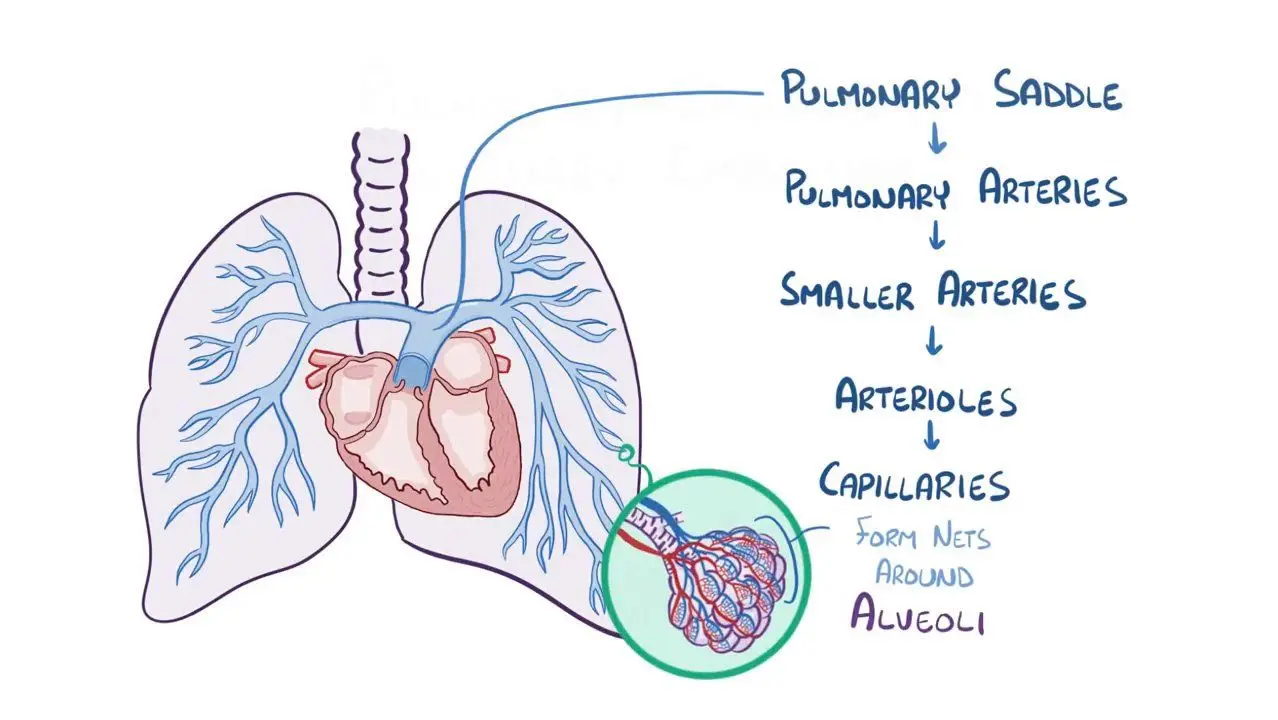
Pulmonary embolism (PE) is a significant medical condition characterised by the sudden blockage of a pulmonary artery, usually due to blood clots that travel to the lungs from the deep veins of the legs or other parts of the body (deep vein thrombosis). It is a leading cause of morbidity and mortality worldwide, and understanding this condition is crucial for prevention and timely treatment.
The Importance of Recognising Pulmonary Embolism
PE can arise unexpectedly and can have severe consequences if not identified early. According to the World Health Organization, it is estimated that approximately 70 to 100 million people suffer from venous thromboembolism (which includes PE) globally each year. It is essential for the public and healthcare professionals to be aware of the risk factors, symptoms, and potential outcomes associated with this condition.
Causes and Risk Factors
The most common cause of pulmonary embolism is the formation of blood clots in the deep veins of the legs. Factors that may increase the risk of developing clots include prolonged immobility (such as long-haul flights), certain surgeries, medical conditions (like cancer and heart disease), obesity, and smoking. Hormonal factors, including hormone replacement therapy and pregnancy, may also increase susceptibility.
Recognising the Symptoms
Symptoms of a pulmonary embolism can vary widely and may not always be obvious. Common symptoms include sudden shortness of breath, chest pain (which may worsen with deep breathing), rapid heart rate, coughing (which may produce blood), and light-headedness or fainting. Due to the varied presentation, PE can often be misdiagnosed, emphasising the need for awareness among patients and healthcare providers alike.
Diagnosis and Treatment
Diagnosis typically involves a combination of patient history, physical examination, and imaging tests such as a CT pulmonary angiography, which can visualise the blocked arteries. A D-dimer blood test may also be utilised to help exclude PE. Treatment often includes anticoagulants (blood thinners) to prevent further clotting, and in some severe cases, thrombolytics (clot dissolvers) or surgical interventions may be deemed necessary.
Conclusion
Understanding pulmonary embolism is paramount for prevention and effective management. With early recognition and treatment, the prognosis for patients can significantly improve. Continued research and public education are essential to reduce the incidence of this potentially life-threatening condition. For individuals at higher risk, regular consultations with healthcare providers can help monitor and mitigate risks associated with pulmonary embolism.
