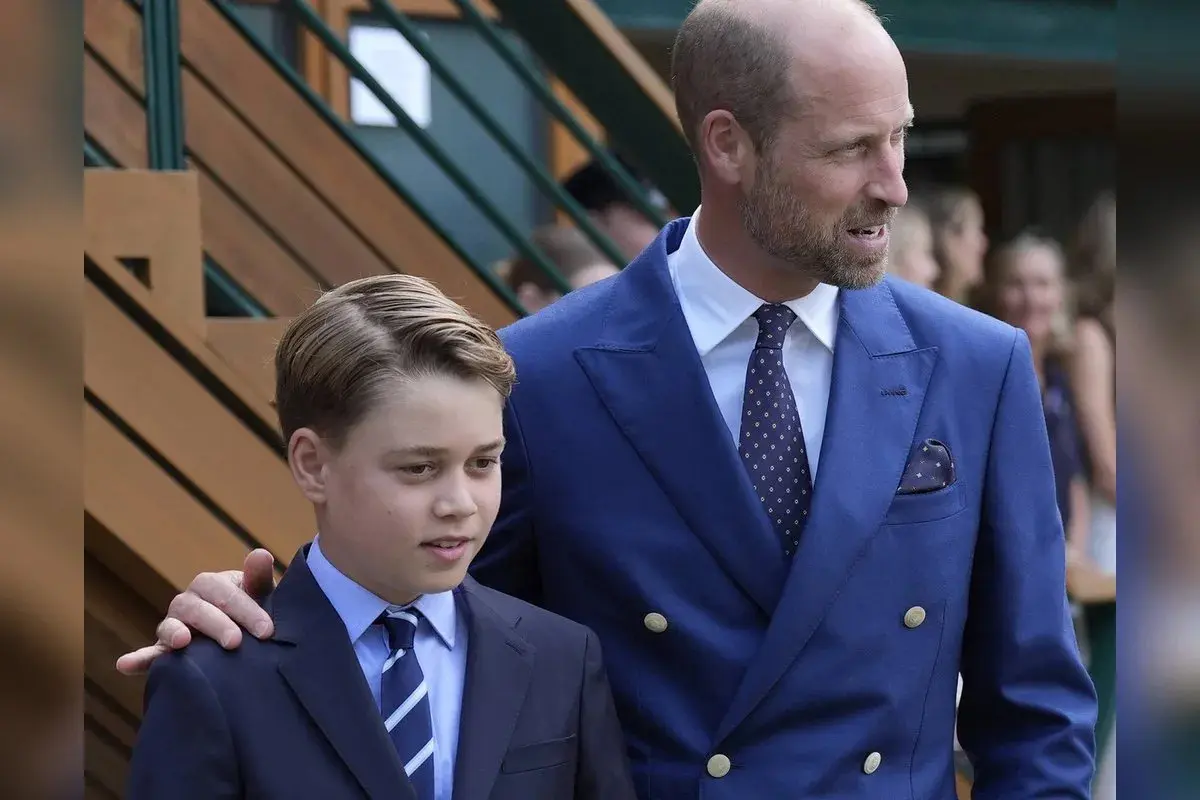
Introduction
Prince William, Duke of Cambridge, has become a significant figure in the British monarchy, representing a bridge between traditional royal duties and modern societal needs. Since his public life began, he has utilised his platform to engage in various issues, including mental health awareness, environmental conservation, and charitable work. As Queen Elizabeth II’s death in September 2022 ushered in a new era for the royal family, Prince William’s role has gained even more emphasis, making his contributions increasingly relevant to contemporary discussions about monarchy and public service.
Main Body
Born on June 21, 1982, William Arthur Philip Louis Mountbatten-Windsor is the eldest son of Charles, Prince of Wales, and the late Diana, Princess of Wales. He has been in the public eye since birth, but it was after his mother’s tragic death in 1997 that he started to understand the pressures of royal life.
As he stepped into adulthood, William sought to carve a path focused on philanthropy and social responsibility. In 2009, he co-founded the charity ‘Centrepoint’, which supports homeless young people. His dedication to addressing mental health issues became more pronounced after launching the ‘Heads Together’ campaign in 2016, which aimed to alter the stigma surrounding mental health. In 2021, he established ‘The Earthshot Prize’, rewarding innovative solutions to environmental challenges—a cause that resonates deeply in the face of climate change.
William’s public engagements, now increasingly infused with a focus on modern issues, showcase his evolving role. With wife Catherine, Duchess of Cambridge, he has embraced initiatives that promote early childhood development and mental health. Their high-profile royal duties include visits to communities and joint appearances that highlight vital societal issues.
The transition of the monarchy following the passing of Queen Elizabeth II has further augmented William’s responsibilities. With King Charles III now on the throne, the necessity for a contemporary monarchy is more significant than ever. Observers note William’s growing involvement in key royal events and discussions, indicating a shift towards a more active leadership role within the royal family.
Conclusion
Prince William’s influence on the monarchy reflects a blend of tradition and modernity. As he continues to highlight pressing social issues, his approach may redefine the public’s perception of the royal family, fostering a stronger connection with the public. His focus on youth, environmental issues, and mental health signifies a proactive stance, aligning the monarchy with contemporary values. Looking ahead, the future of the British monarchy under William’s potential future reign could be one of progressive change, appealing to a younger generation seeking relevance and connection to its royal heritage.
