PGA Tour Developments
As the PGA Tour enters its key event week, The Players Championship, which runs from March 10-15, 2026, significant changes are unfolding. This year, the tournament is taking place in Ponte Vedra Beach, Florida, and is drawing attention not just for the competition but also for the recent player withdrawals.
On March 12, 2026, Collin Morikawa withdrew from The Players Championship after just one hole due to lower back pain. Morikawa, who had not won in 28 months before his recent victory at Pebble Beach, expressed surprise at his condition, stating, “I felt fine in warm-up. Nothing’s been any signs of back problems.” His early exit is notable given the high stakes of the tournament.
Additionally, Ryan Fox also withdrew from the event, citing illness. With 123 players initially in the field, these withdrawals have altered the competitive landscape of the championship.
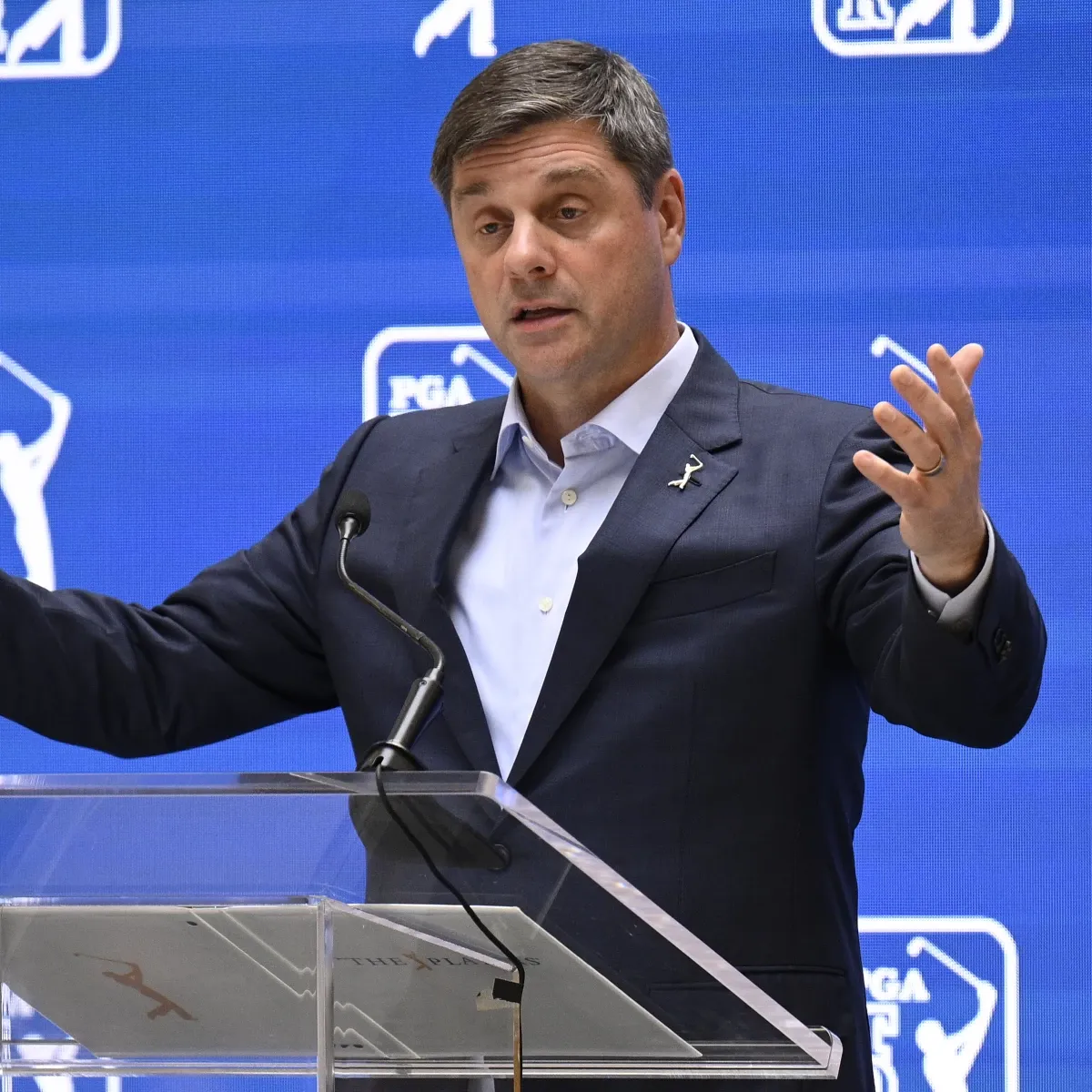
These developments occur under the leadership of Brian Rolapp, who took over as CEO of the PGA Tour in June 2025. Rolapp has expressed a desire to expand the tour’s presence in major media markets, aiming to host events in cities like New York, Chicago, and Washington. Currently, the PGA Tour competes in only four of America’s ten largest media markets.
Rolapp’s vision includes optimizing the tour’s schedule to feature between 21 and 26 events, and he has indicated a willingness to explore integrating match play into future tournaments. He stated, “We want to open big with a marquee event at an iconic venue in the west,” emphasizing the need for more dramatic events that resonate with fans.
The PGA Tour’s Future Competition Committee, chaired by Tiger Woods, is also working on potential changes to the tour’s structure, including a proposed promotion and relegation system. However, details remain unconfirmed, leaving many questions about how these changes might impact smaller markets.
As the tournament progresses, the implications of these player withdrawals and leadership changes will be closely monitored by fans and analysts alike. The PGA Tour’s ability to adapt and innovate will be crucial in maintaining its relevance and appeal in the competitive landscape of professional golf.
Overall, the current state of the PGA Tour reflects a period of transition, with leadership focused on enhancing the tour’s profile and addressing the needs of its players and fans. The outcomes of these changes will be significant for the future of the tour.
