The Japanese attack on Pearl Harbor on December 7, 1941, marked a pivotal moment in history, drawing the United States into World War II. Prior to this attack, the expectation was that the U.S. could maintain its isolationist stance while the war raged in Europe and Asia. However, the surprise assault resulted in the deaths of 2,390 Americans and fundamentally shifted the trajectory of U.S. foreign policy.
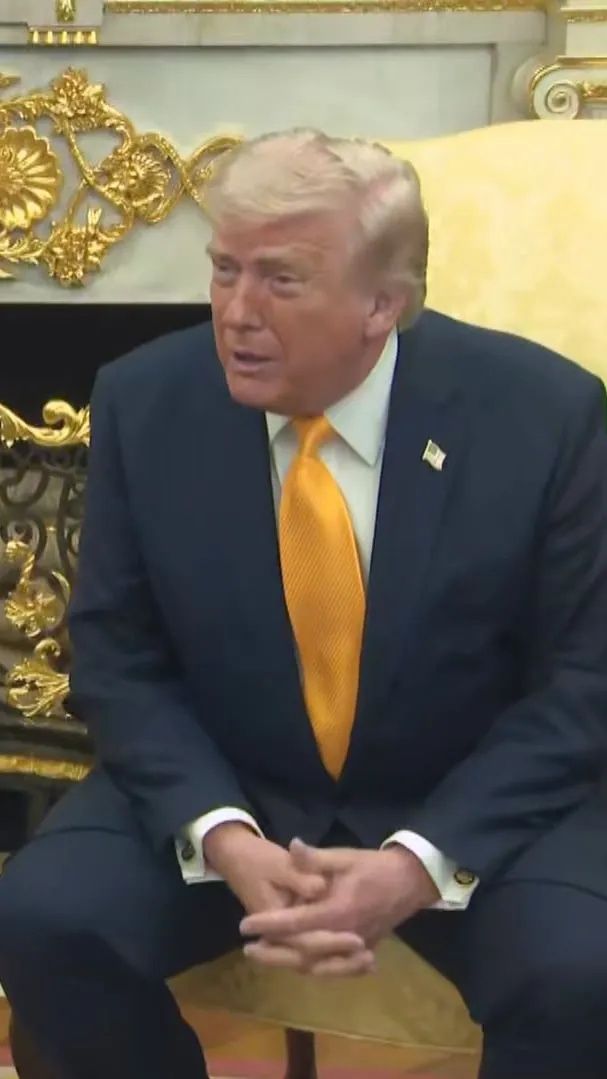
In a recent meeting with Japan’s Prime Minister, Donald Trump referenced Pearl Harbor while addressing a question about the U.S. military’s decision to attack Iran without prior notice to its allies. Trump stated, “Why didn’t you tell me about Pearl Harbor?” This comment drew a direct parallel between the historical surprise attack and contemporary military strategy.
Trump elaborated, saying, “One thing you don’t want to signal too much, you know, when we go in, we went in very hard and we didn’t tell anybody about it because we wanted surprise. Who knows better about surprise than Japan?” This statement not only invokes the memory of Pearl Harbor but also reflects a strategic mindset that values surprise in military operations.
The immediate effect of Trump’s comments was a renewed discussion about the ethics and strategies of military engagement. Critics argue that such comparisons trivialize the historical significance of Pearl Harbor, while supporters claim it underscores the need for strategic surprise in modern warfare.
Experts in military history note that the attack on Pearl Harbor was a catalyst for U.S. involvement in World War II, leading to a swift declaration of war against Japan the following day. The U.S. ultimately defeated Japan in August 1945 after the atomic bombings of Hiroshima and Nagasaki, reshaping global power dynamics.
Trump’s comments have sparked varied reactions, with some praising his approach to military strategy, including his son Eric, who expressed support for his father’s remarks. Others, however, caution against using Pearl Harbor as a rhetorical device in contemporary political discourse.
As discussions continue, the legacy of Pearl Harbor remains a powerful symbol in American history, representing both the consequences of surprise attacks and the complexities of international relations. The historical context serves as a reminder of the past while informing present-day military and diplomatic strategies.
Details remain unconfirmed regarding the broader implications of Trump’s comments on U.S.-Japan relations and military strategy moving forward. The conversation surrounding Pearl Harbor is likely to evolve as political dynamics shift and new challenges arise on the global stage.
