Introduction
The Palestine March held in London recently has drawn significant attention, not only for its numbers but for the urgency of the issues it addresses. With escalating tensions and humanitarian crises in Palestine, the march aimed to raise awareness, show solidarity, and call for action in support of Palestinian rights. Events like this are essential in amplifying voices and creating a platform for dialogue on the Israeli-Palestinian conflict, a matter of critical global concern.
Details of the Event
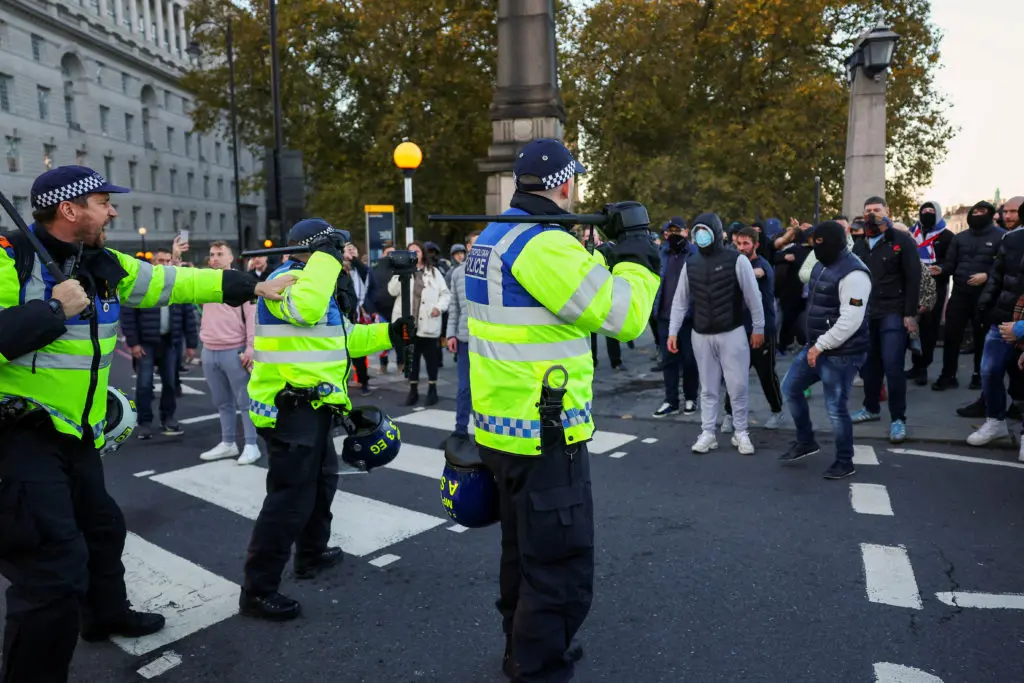
On Saturday, October 14th, 2023, thousands of demonstrators gathered in central London for the Palestine March, organised by various activist groups, including the Free Palestine Coalition. The march commenced at the BBC Broadcasting House and made its way through Westminster, concluding outside the Houses of Parliament. Participants chanted slogans advocating for justice, peace, and the end of military occupation, while many carried banners and placards that highlighted the struggles faced by Palestinians.
Speaking at the event, prominent speakers from various backgrounds addressed the crowd, including human rights activists, politicians, and representatives from Palestinian organisations. They highlighted the pressing humanitarian crisis in Gaza, where the ongoing conflict has led to severe shortages of food, water, and medical supplies. The speakers underscored the importance of international solidarity, stressing that the plight of Palestinians should not be overlooked.
Significance of the March
The Palestine March not only reflects the solidarity of Londoners with Palestinian citizens but also indicates a growing awareness of the complexities surrounding the conflict. Attendees ranged from students to families and older generations, showcasing a diverse coalition of support. Such demonstrations have become increasingly relevant in light of recent events, including the violent escalation of military actions and human rights violations in the region.
Moreover, this march is part of a larger movement observing the International Day of Solidarity with the Palestinian People, celebrated annually on November 29th. Organisers are using this momentum to encourage a global response to advocate for peace and justice in Palestine, urging governments to take action to protect human rights in the region.
Conclusion
As the situation in Palestine continues to evolve, events like the Palestine March in London serve as a reminder of the ongoing struggles for justice and human rights. With overwhelming public interest and participation, such demonstrations can potentially influence policy discourse and raise awareness on an international scale. The marchers’ calls for solidarity, justice, and peace resonate not only within the UK but worldwide, highlighting the need for collective action in the pursuit of a fair resolution to the Israeli-Palestinian conflict.
