Introduction
The Winter Olympics is an event that brings together athletes from around the world to compete in various winter sports. The medal table serves as a crucial indicator of national prowess in these sports, reflecting the preparation, investment, and talent of countries. The 2022 Winter Olympics, held in Beijing, was particularly significant as it featured intense competition and numerous record-breaking performances.
Highlights from the 2022 Winter Olympics Medal Table
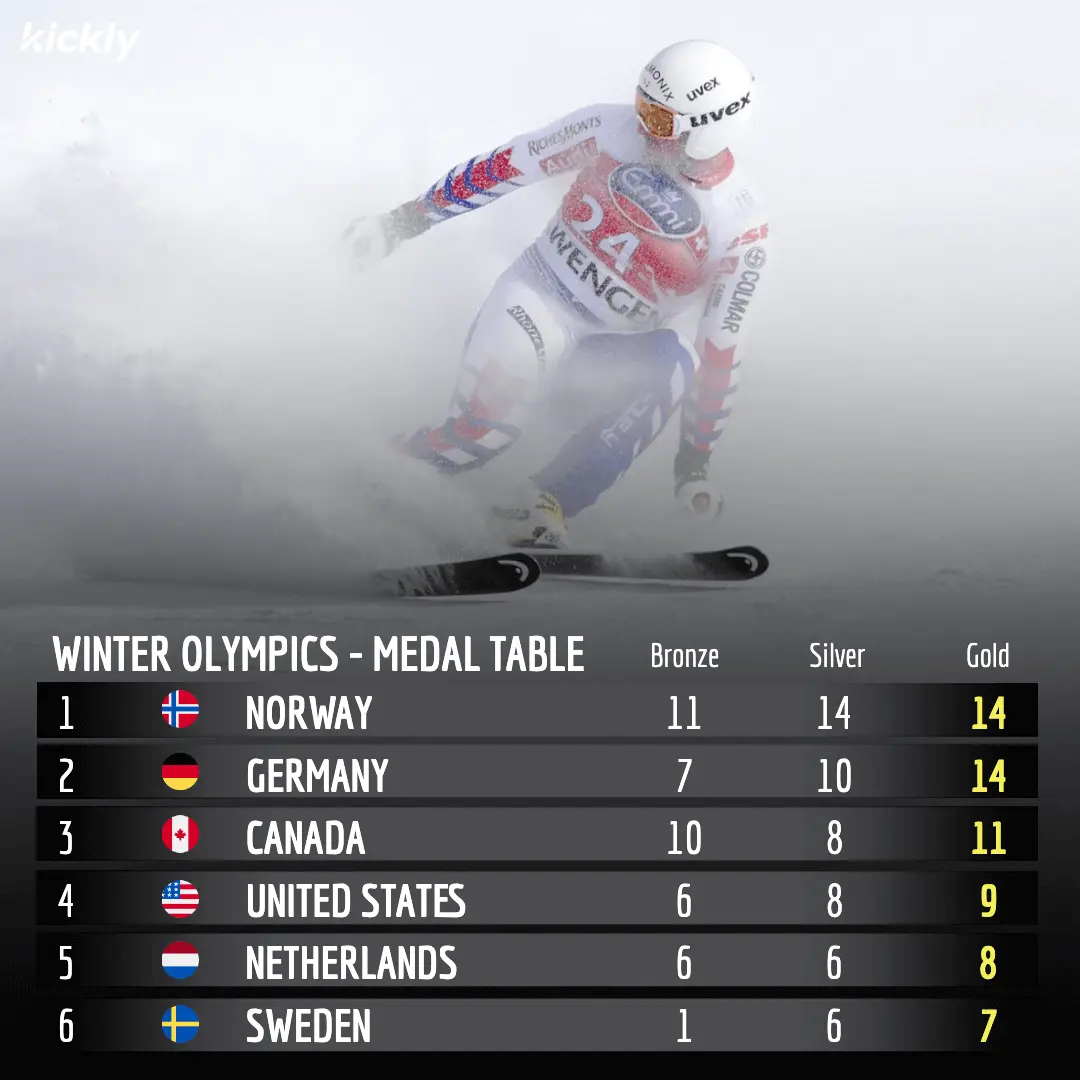
As of the conclusion of the 2022 Winter Olympics, Norway finished at the top of the medal table with a total of 37 medals, comprising 16 golds, 8 silvers, and 13 bronzes. This continues Norway’s dominance in winter sports, once again demonstrating its outstanding prowess in cross-country skiing and biathlon events.
Germany followed closely in second place with 27 medals, while Canada secured third with a total of 26 medals. Notably, both Germany and Canada have historically performed well at the Winter Olympics, often ranking among the top nations. In surprising shifts, the United States, typically a dominant force, landed in fourth place with 25 medals. This outcome sparked discussions about the future of American winter sports training programs.
Emerging Trends and Predictions
The 2022 event also highlighted emerging trends among various nations, with countries such as China making significant strides. China achieved its best-ever Winter Olympics result with 15 medals, including 9 golds, showcasing the effectiveness of their investment in winter sports infrastructure and training facilities.
As we look forward, it is expected that the competition will become even fiercer for the upcoming Winter Olympics in 2026. Nations are already strategising on talent development and national selections to ensure they can secure as many medals as possible, with a focus on not just the usual heavyweights but also emerging nations like South Korea and New Zealand.
Conclusion
The 2022 Winter Olympics medal table not only reflects the successes of various countries, but it also indicates the shifting dynamics of winter sports on a global scale. As nations prepare for the next event, all eyes will be on how trends evolve and which countries will rise to the challenge of competing for supremacy in winter sports.
