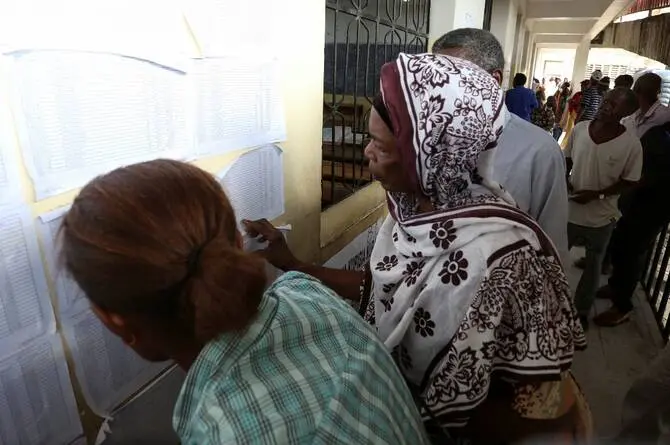
Introduction
The Tanzania elections, held on October 28, 2023, have drawn significant attention both locally and internationally due to their implications for the nation’s democratic processes. As the country navigates political reforms and social change, the elections serve as a crucial indicator of public sentiment and governance in a nation long marked by stability, yet facing contemporary challenges.
Key Events and Developments
The recent elections were significant not only for the National Assembly but also for the regional council elections across Tanzania. Approximately 29 million citizens were eligible to cast their votes, a notable increase from previous elections, reflecting a growing civic engagement among the populace. The main political parties, including the ruling party Chama Cha Mapinduzi (CCM) and the opposition party Chadema, engaged in rigorous campaigning, showcasing their manifestos and addressing key issues such as economic development, unemployment, and social justice.
Voter turnout was reported at around 75%, which is a promising sign of the engagement level among Tanzanians. Observers noted that despite earlier tensions and disputes regarding the electoral process, the election day unfolded with relatively low levels of violence, attributed to increased security measures and effective communication between parties and electoral bodies.
Challenges and Concerns
Despite the successful turnout, the elections were marred by allegations of electoral malpractice and suppression of opposition candidates in various regions. Human rights groups have raised concerns over the treatment of political activists and the media, which has faced increased scrutiny and restrictions leading up to the elections. The international community, including the African Union and the Commonwealth, has called for further investigation into these allegations to ensure that future elections adhere to democratic norms.
Conclusion
The Tanzania elections not only highlight the nation’s commitment to democratic principles but also illuminate existing challenges that must be addressed to foster a genuinely democratic environment. Moving forward, the new government will need to engage constructively with opposition parties and civil society to heal divisions and promote greater political inclusivity. The outcome of these elections will likely shape Tanzania’s political landscape in the years to come, making it essential for citizens and observers alike to monitor the government’s actions closely in the aftermath. As Tanzania steps into this new chapter, the hope is to see the strengthening of democratic institutions that reflect the will of the people.
