Introduction
The recent shutdown of Orlando International Airport has sparked significant attention due to its effects on travel plans and the economy. As a major hub, Orlando Airport serves millions of passengers each year, making its operational status crucial not just for local tourism but for international travel connections as well. Understanding the reasons behind the shutdown and its subsequent consequences is vital for anyone planning to travel to or from the area.
Reasons Behind the Shutdown
The shutdown, which occurred on October 15, 2023, was attributed to severe weather conditions, specifically a sudden and unexpected tropical storm that swept through Central Florida. High winds and heavy rainfall led to safety concerns for both incoming and outgoing flights. Airport authorities, following strict safety protocols, decided to halt all operations temporarily to safeguard both passengers and airline staff.
Details of the Event
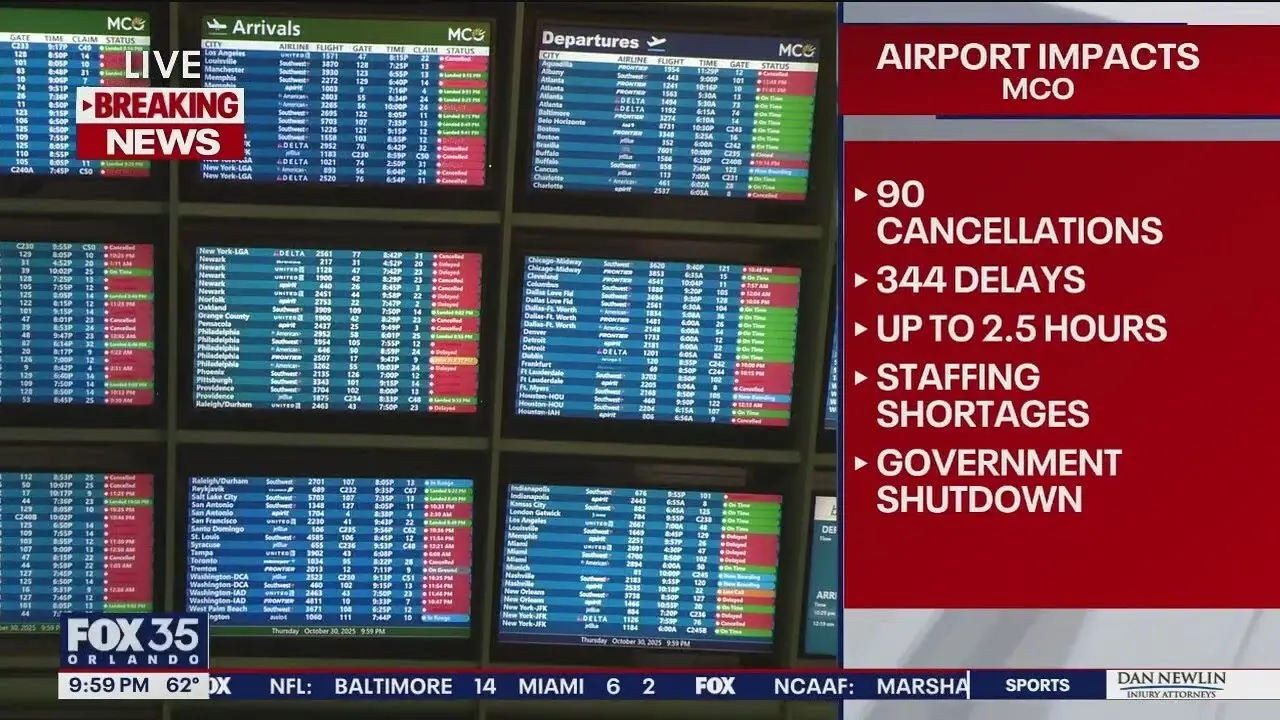
During the shutdown, which lasted approximately six hours, over 200 flights were delayed or cancelled, affecting thousands of travellers. Many passengers were stranded at the airport or forced to seek alternative travel arrangements. Emergency services were on standby to assist where necessary, ensuring that passengers remained safe during the inclement weather. The airport management provided regular updates through social media and the official airport website, helping to keep travellers informed about the reopening timeline.
In addition to passenger inconvenience, the airport’s closure also had a ripple effect on local businesses heavily reliant on tourism and airport traffic. Hotels, restaurants, and shuttle services experienced significant cancellations, leading to a notable economic impact for the local community.
Conclusion
As Orlando International Airport resumes operations, airlines and airport officials work diligently to accommodate the disrupted travel schedules. Passengers are advised to check flight statuses regularly and remain updated on potential residual delays.
This incident highlights the importance of robust contingency planning in the face of unpredictable weather events. With climate change increasingly contributing to extreme weather conditions, airports may need to bolster their strategies for managing such inevitable closures. Travellers should remain vigilant and flexible in their travel plans as airports navigate these challenges in the future.
