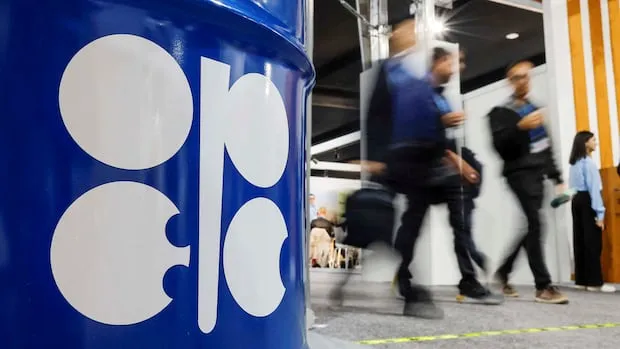
The United Arab Emirates announced its withdrawal from OPEC and OPEC+ on May 1, 2026. This decision signifies a pivotal change in the global oil landscape, potentially leading to fierce competition among Gulf producers.
Before this announcement, the UAE had been a member of OPEC since its establishment in 1960. Over the years, it contributed significantly to the organization, accounting for about 12% of OPEC’s total output. However, rising global energy demand and national interests drove this recent decision.
As one of the few OPEC members with considerable spare production capacity—approximately 4.8 million barrels per day—the UAE aims to increase its output to 5 million barrels per day by 2027. This ambition reflects its desire to assert greater control over its energy resources.
That context matters because OPEC currently controls about 30% of the global oil supply. The UAE’s departure could weaken this influence further, especially after a period marked by tensions with Saudi Arabia and other members. The friction has been palpable, with political and economic disagreements complicating relations.
The implications of this exit are significant. The potential for a price war among Gulf producers looms large, particularly following recent conflicts in the region. With Iran also involved in ongoing tensions, market stability may be at risk.
Key facts:
- The UAE has been part of OPEC for over 65 years.
- OPEC+ includes additional countries that collectively account for around 40% of the world’s oil output.
- About 13% of global supplies are currently trapped due to geopolitical issues like the closure of the Strait of Hormuz.
Experts note that this departure represents a substantial blow to OPEC’s already fraying alliance. As Suhail Mohamed al-Mazrouei stated, “This is a policy decision… after a careful look at current and future policies related to level of production.” The UAE’s exit not only diminishes OPEC’s market share but may also encourage other members to reconsider their commitments to limiting output.
