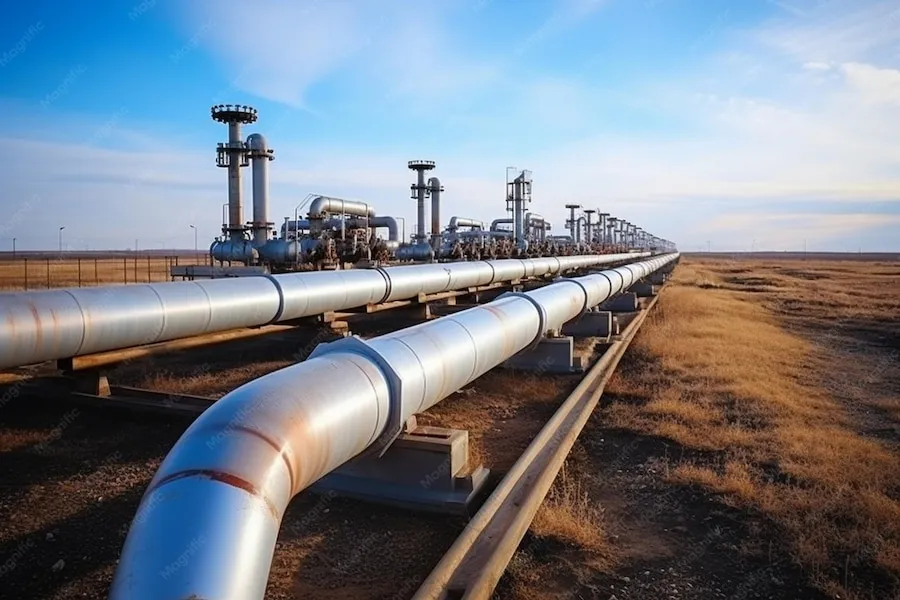
The Bridger Pipeline expansion, dubbed ‘Keystone Light’, aims to transport over half a million barrels of Alberta oil daily to U.S. refineries, reviving elements of the controversial Keystone XL project. This initiative comes amid persistent environmental concerns and regulatory scrutiny.
The expansion is a joint venture between Calgary-based South Bow and U.S.-based Bridger. It could increase Canada’s crude exports to the U.S. by more than 12%. However, the project still requires additional state and federal environmental approvals before construction can commence.
At its peak, this 1,050-kilometre pipeline would transport two-thirds as much oil as Keystone XL. Notably, over 70% of it will be built within existing pipeline corridors and 80% on private land, potentially easing some regulatory hurdles.
Yet, environmentalists remain vocal about the risks involved. The biggest concern? The risk of spills. Jenny Harbine, an environmental advocate, stated, “The biggest concern we see right now is the concern inherent in all pipeline projects which is the risk of spills.” This is particularly relevant given Bridger’s history; it has been responsible for several major pipeline accidents in the past.
In contrast, Danielle Smith emphasized the importance of this project for North American energy dominance: “The U.S. is our most important trading partner and we will continue to deliver energy to help secure North American energy dominance.” This perspective highlights a tension between economic interests and environmental safety.
As construction timelines remain uncertain—no specific dates have been shared—potential court challenges could also pose risks to the project’s future. The Bridger Pipeline expansion does not cross any Native American reservations, which may mitigate some legal complexities, but it does not eliminate them entirely.
The project represents a significant moment in North America’s energy landscape. With ongoing debates about climate change and sustainable energy sources, how this expansion unfolds will likely influence future discussions on similar projects across the continent.
