“Har roozetan Nowruz, Nowruzetan Pirooz” is a traditional greeting that encapsulates the spirit of Nowruz, translating to “May every day be your New Year, may your New Year be prosperous.” This sentiment will resonate with over 300 million people celebrating Nowruz on March 20, 2026, at 10:46 a.m. ET, marking a vibrant festival that has been observed for more than 3,000 years.
Nowruz, which means “new day” in Persian, is a secular holiday that symbolizes renewal, rebirth, and the triumph of light over darkness. Its roots can be traced back to ancient Iranian religions such as Mithraism and Zoroastrianism, and it has evolved into a celebration that transcends religious boundaries, uniting diverse communities across various regions.
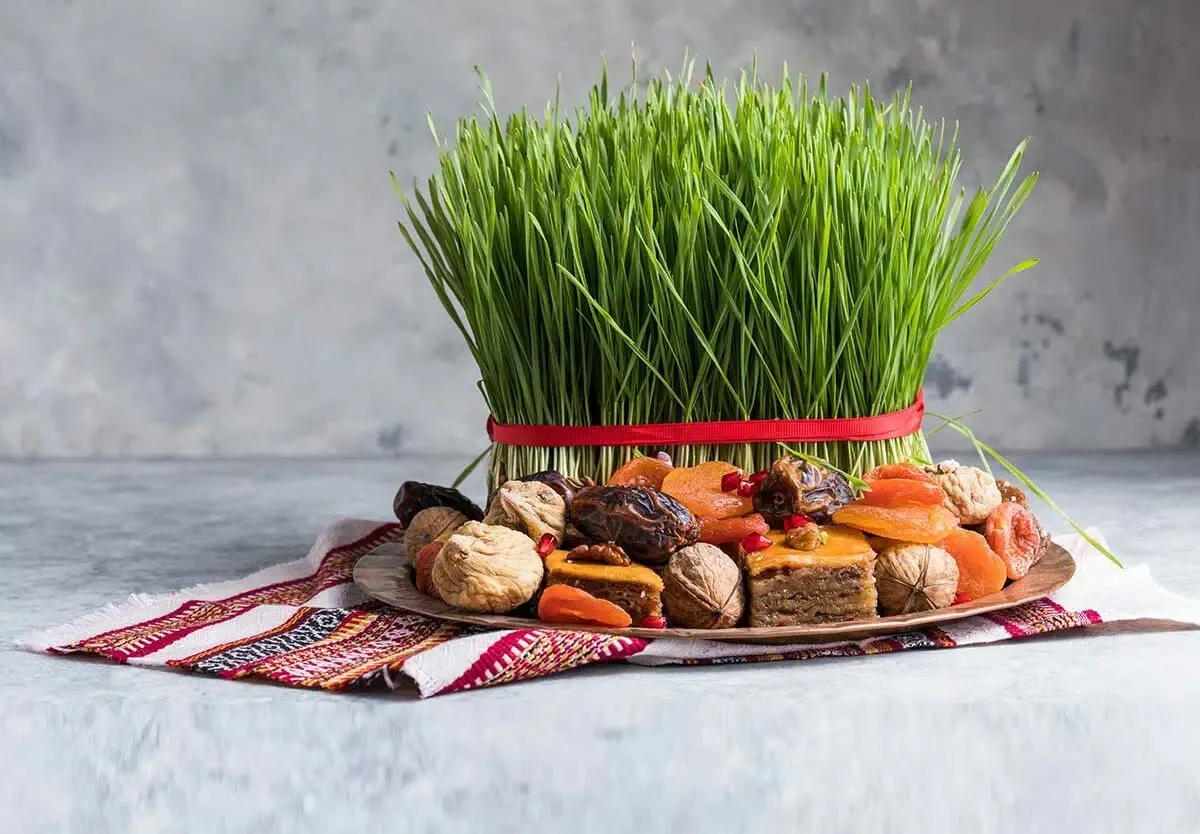
The festivities include the preparation of the Haft-Sin table, which features seven symbolic items, each starting with the letter ‘S’ in Persian. These items represent different hopes for the new year, such as health, wealth, and prosperity. The celebration also includes Chaharshanbe Suri, observed on the last Tuesday of the year before Nowruz, where people jump over bonfires to symbolize the burning away of the old year’s misfortunes.
In 2026, Nowruz will coincide with the end of Ramadan and Eid al-Fitr, creating a unique cultural intersection. This convergence of celebrations, occurring just one day apart, highlights the importance of community and shared values among different cultures. The exact date for Eid al-Fitr remains unconfirmed, as it may fall on the same day as Nowruz or one day later, adding an element of anticipation to the festivities.
Another significant aspect of Nowruz is Sizdah Be-Dar, celebrated 13 days after the new year. During this event, the sprouted grains (sabzeh) from the Haft-Sin are thrown into a moving body of water, symbolizing the release of the past and the welcoming of new beginnings. This act is a cherished tradition that reinforces the themes of renewal and connection to nature.
Despite the joy and cultural significance of Nowruz, uncertainties loom over the celebrations in 2026. The impact of state violence on these festivities remains unclear, raising concerns about the safety and freedom of expression during this important time. Observers are keenly watching how these factors will influence the celebrations.
As the date approaches, communities around the world are preparing to embrace the spirit of Nowruz, celebrating not only the arrival of spring but also the enduring values of hope, renewal, and unity. With UNESCO recognizing Nowruz as an important cultural event, its significance continues to grow, fostering a sense of belonging among those who partake in its rich traditions.
