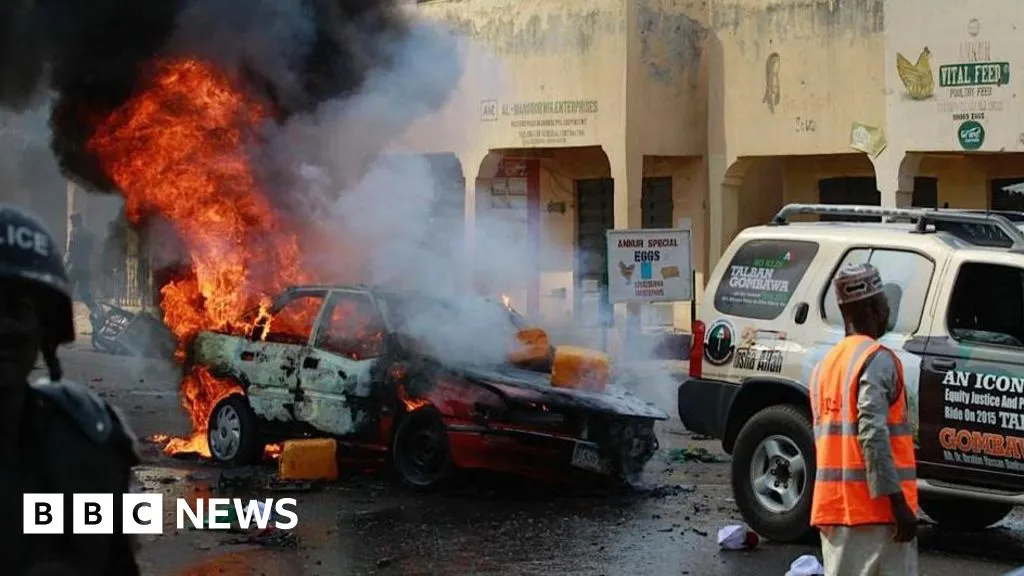
Nigeria has been facing a complex security situation due to a long-standing insurgency involving extremist groups such as Boko Haram and the Islamic State West Africa Province (ISWAP). This insurgency has persisted for 16 years, resulting in the deaths of tens of thousands and displacing two million people. The conflict has also seen escalating violence between Muslim Fulani herders and Christian farming communities, leading to deadly clashes across the region.
In a significant development, nearly 400 terrorism suspects were recently convicted in a mass trial held in Nigeria’s capital, Abuja. A total of 508 cases were brought to court, resulting in 386 convictions, eight discharges, and two acquittals. The trials involved serious charges related to participation in attacks or support for militant activities, with many convicted individuals receiving prison terms of up to 20 years.
Lateef Fagbemi, a key figure in the trials, stated, “We brought 508 cases to court and out of this number, we were able to secure 386 convictions, eight discharges, two acquittals and 112 cases to the next session or phase.” This statement underscores the judicial efforts being made to address the ongoing threat posed by extremist groups.
International observers monitored the court proceedings, reflecting the global concern regarding Nigeria’s security challenges. However, the situation remains dire, with recent attacks highlighting the persistent threat of violence. For instance, at least 26 people were killed in three separate Easter attacks in northern Nigeria, drawing criticism from various quarters.
Prominent figures have voiced their concerns about the international community’s response to the violence. Comedian John Cleese remarked, “It looks rather as though Black Lives Don’t Matter,” in reference to the lack of attention given to anti-Christian terrorism in Nigeria. He further criticized the silence surrounding these attacks, suggesting that discussing them could damage the image of the perpetrators.
Leo Terrell, another commentator, questioned, “Why isn’t the world talking about the massacre of Christians by Islamist terrorists??!!!!” This sentiment reflects a growing frustration over the perceived neglect of the plight of vulnerable communities in Nigeria.
The ongoing insurgency and the recent mass trials highlight the urgent need for comprehensive strategies to combat terrorism and ensure the safety of all citizens. Observers are keenly watching how the Nigerian government will address these challenges moving forward.
As the situation evolves, it remains crucial for both national and international stakeholders to engage in meaningful dialogue and action to support affected communities and promote stability in the region. Details remain unconfirmed regarding the long-term impacts of these trials on the overall security landscape in Nigeria.
