Introduction
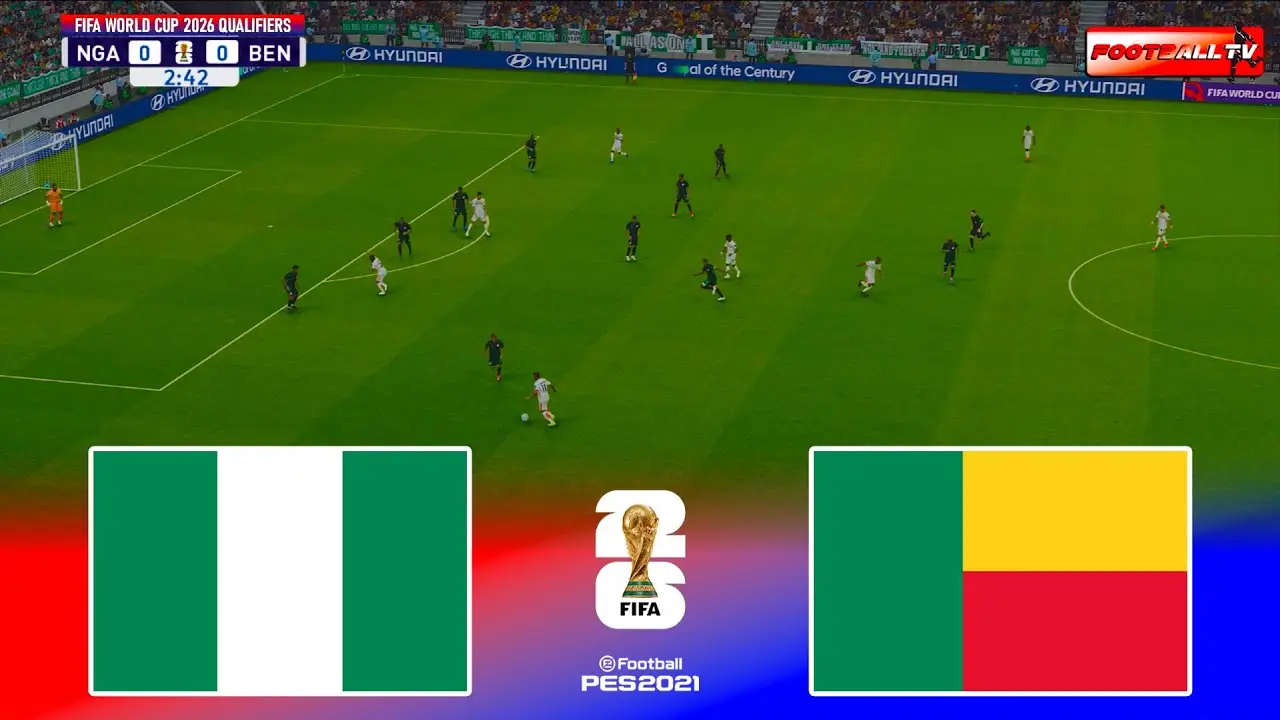
The football rivalry between Nigeria and Benin, known as the ‘Dayo ‘Derby’, holds substantial significance in West African football culture. These two neighbouring nations have a long-standing history of competitive matches that not only showcase talent but also foster national pride. This rivalry is more than just games; it is a celebration of regional identity and sportsmanship. With their latest encounter having taken place recently, fans and analysts alike are keenly observing the developments in this competitive landscape.
Recent Matches and Context
As of October 2023, Nigeria and Benin’s national teams have faced each other numerous times, contributing to an interesting head-to-head record. In their latest match held on October 12, 2023, as part of an international friendly, Nigeria triumphed over Benin with a score of 2-1. This match exemplified Nigeria’s continued dominance in the region, building on their reputation as a powerhouse in African football.
The game saw Nigeria field a strong team, featuring key players like Victor Osimhen and Wilfred Ndidi, who played pivotal roles in securing their victory. Benin, while historically less successful in football compared to Nigeria, has made significant strides in recent years, developing a more competitive squad that poses challenges to traditional rivals. The 2023 match was a testament to Benin’s growing prowess in the sport, showcasing their ability to hold the Super Eagles at bay for much of the game.
Significance of the Rivalry
This rivalry serves a broader purpose beyond just wins and losses. Football in Nigeria is regarded as a national pastime, with immense popularity and support across the country. Success against a neighbour like Benin resonates well with fans, reinforcing national pride and unity. Similarly, for Benin, pushing against a dominant rival like Nigeria is crucial for its footballing aspirations, motivating younger players and inspiring fans.
Moreover, these matches attract significant viewership and interest in both nations, providing economic benefits through sponsorships, ticket sales, and merchandise. They also foster a sense of community and togetherness as fans rally to support their teams.
Conclusion
The rivalry between Nigeria and Benin illustrates the complexities and excitement inherent in West African football. As both nations continue to develop their teams and strategies, future encounters are expected to be more competitive and closely contested. Analysts predict that as Benin strengthens its football infrastructure and investment in talent development, the balance of power may continue to shift. For fans, the forthcoming matches promise to be thrilling encounters that highlight the passion and enthusiasm for football in the region.
