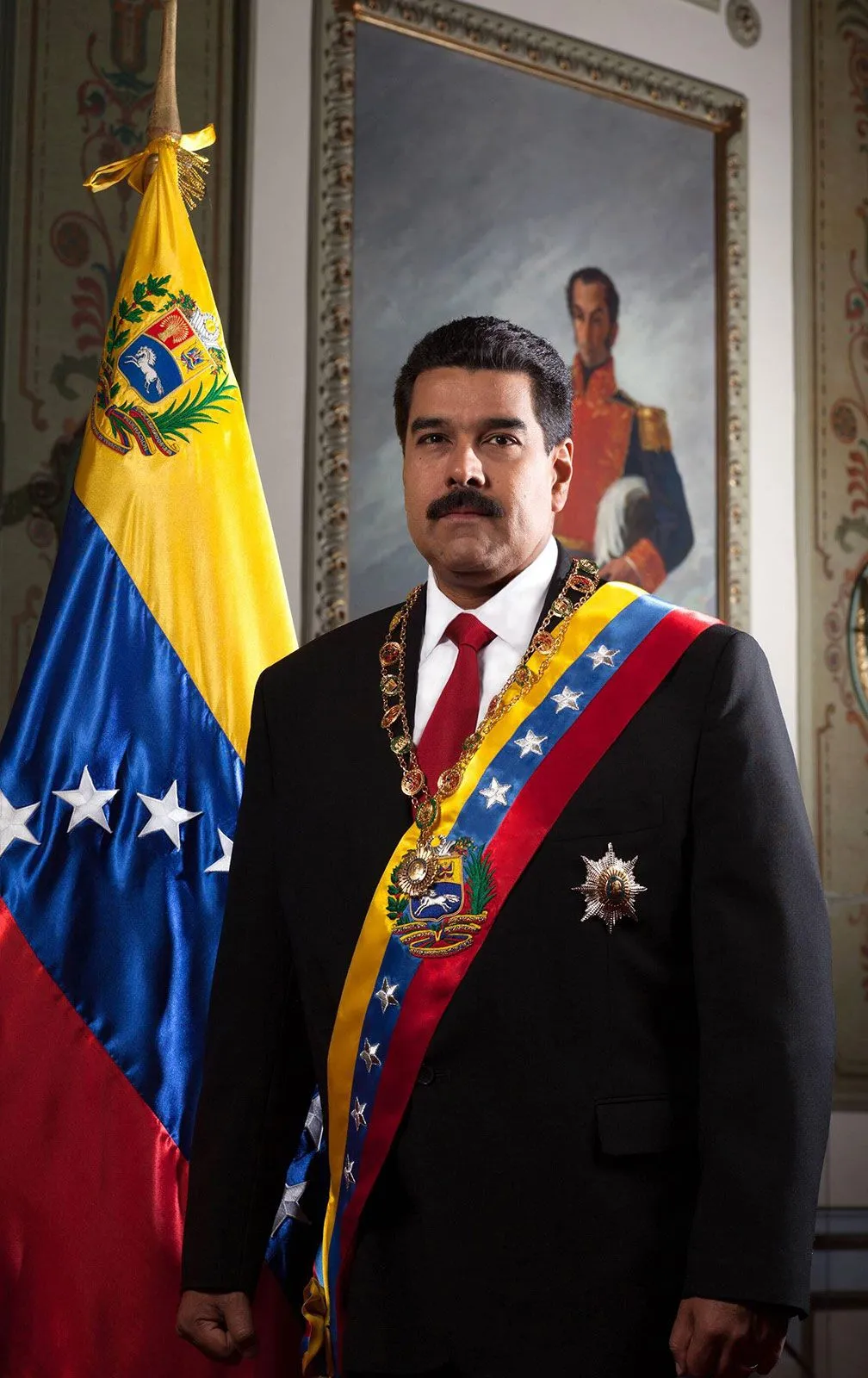
A U.S. soldier has been charged with insider trading after allegedly profiting from classified information regarding the capture of Venezuelan President Nicolás Maduro. This unprecedented event has sent shockwaves through both military and political circles.
Before this development, expectations surrounding Maduro’s political future were uncertain but somewhat stable. Many believed he would continue to evade capture, bolstered by his control over the Venezuelan military and political apparatus.
But everything changed on January 5, 2026, when Maduro and his wife were arrested in Manhattan. Gannon Ken Van Dyke, a U.S. special forces officer involved in planning the operation since December 2025, was charged with insider trading related to this high-profile capture.
Van Dyke allegedly made over $400,000 by betting on Maduro’s removal using classified information—information he was obligated to safeguard as part of his military duties. He placed bets on Polymarket about whether Maduro would be out of office by January 31, 2026, wagering a staggering $33,000.
This situation raises critical questions about the ethics of insider trading within military operations. How could someone in such a position betray their comrades for personal gain? According to James C Barnacle Jr., “Gannon Ken Van Dyke allegedly betrayed his fellow soldiers by utilizing classified information for his own financial gain.” The indictment states that Van Dyke chose profit over duty.
The Justice Department’s actions are notable—they have now set a precedent by prosecuting insider trading on a prediction market for the first time. This adds a layer of scrutiny to how classified information is handled and traded in the digital age.
Polymarket itself responded to the incident by emphasizing that “insider trading has no place on Polymarket.” This highlights the platform’s commitment to maintaining integrity amid growing concerns about prediction markets and their potential for misuse.
As for Van Dyke, he faces serious charges: up to 20 years in prison for wire fraud and 10 years for commodities fraud. Yet uncertainties linger—officials have not confirmed if he has legal representation or how he plans to defend himself against these grave accusations.
This case underlines the complex interplay between military operations and financial markets, particularly in volatile regions like Venezuela. As the world watches closely, the implications of these events will likely extend beyond just one soldier’s actions.
