Nepal’s Election Update: A Crucial Test for Democracy
The nationwide election for the House of Representatives in Nepal, held on March 5, 2026, is seen as a significant turning point for the country’s democracy. Following a year marked by unrest and protests against corruption and economic stagnation, this election represents a critical moment for the Nepali people, particularly in the wake of the Gen-Z protests that erupted on September 8, 2025, resulting in at least 77 fatalities.
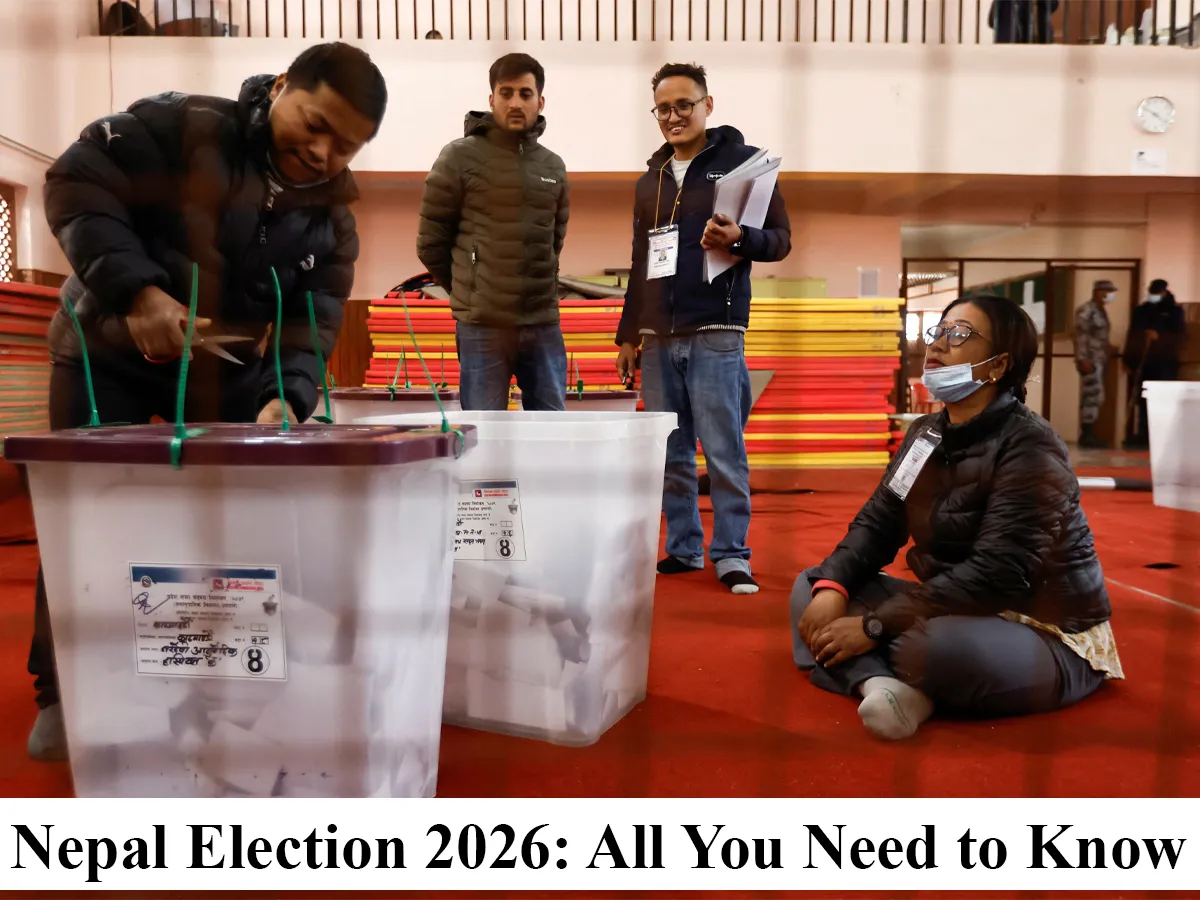
Polling stations across the nation opened at 07:00 GMT and closed at 17:00 GMT, allowing nearly 19 million eligible voters, including around 800,000 first-time voters, to cast their ballots. The election was contested by a mix of veteran politicians and new leaders inspired by the recent protests, reflecting a shift in the political landscape.
Turnout for the election was reported at approximately 60%, the lowest in more than two decades. This decline in voter participation raises questions about public engagement and trust in the electoral process, especially in light of the recent turmoil. Ram Prasad Bhandari, a prominent figure in the election, noted, “The voting process has been concluded peacefully and enthusiastically,” suggesting a sense of hope amidst the challenges.
The Election Commission has announced plans to declare the outcomes for 165 first-past-the-post seats within 24 hours after collecting the ballot boxes. However, counting votes under the proportional representation system may take an additional two to three days, prolonging the uncertainty surrounding the election results.
Helicopters were deployed to collect ballot boxes from remote, snowbound mountain regions, highlighting the logistical challenges faced during the election process. This election is not merely a routine political event; it is viewed as a crucial test of Nepal’s democratic resilience following a turbulent year. Sashi Gurung, a political analyst, remarked, “This election is not a normal election. This is going to be one of the changing points for Nepalis, for Nepal.””>
The mixed electoral system, combining direct and proportional voting, aims to provide a more representative outcome. As the country navigates through the aftermath of the protests, the stakes are high for the future of governance in Nepal. Tek Bahadur Aale, a protest leader, expressed the sentiments of many, stating, “At the Gen Z protest, people died — and their blood will bring change, we hope.”
As the nation awaits the final results, uncertainties linger regarding the implications of the election outcomes on the political landscape. The potential for further unrest or changes in leadership remains a concern, as the country grapples with the legacy of the recent protests and the hopes of a new generation seeking reform. Details remain unconfirmed.
