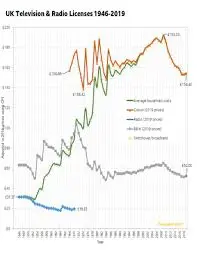
Introduction to TV Licence
In the United Kingdom, a TV licence is a legal requirement for anyone watching or recording live television broadcasts or using the BBC iPlayer. The revenue generated from licences funds the public service broadcaster, the BBC, ensuring high-quality programming is available to the public without commercial interruptions. With the rise of streaming services and changes in viewing habits, understanding the importance and implications of the TV licence is increasingly relevant.
What is a TV Licence?
A TV licence is essentially a fee that individuals must pay to watch live television on any device, including TVs, computers, and mobile phones. As of October 2023, the fee for an annual TV licence remains at £159. It is crucial to note that there are exceptions for certain groups, such as individuals over 75 and those with specific disabilities, who may qualify for a free licence under set conditions.
Compliance and Enforcement
The need to possess a valid TV licence is reinforced through a series of compliance measures employed by the BBC. Regular checks are conducted, and households without a licence risk fines of up to £1,000. It is essential for residents to understand their obligations; simply owning a television does not necessitate a licence if it is not used for live viewing or catch-up services.
Recent Developments
The debate surrounding the TV licence has gained traction in recent years, especially with the introduction of new streaming platforms, which has changed how viewers consume content. Many citizens have begun questioning the necessity of the fee, particularly amid calls for the BBC to adapt its funding model. Recent surveys have indicated a growing number of households opting to forego their TV licence. To respond to this shift, the BBC has launched initiatives to engage the audience more effectively, showcasing the value of public broadcasting.
Conclusion
As the landscape of media consumption continues to evolve, the significance of understanding the TV licence persists. With potential changes on the horizon regarding its funding model, it remains crucial for the public to stay informed about their rights and obligations related to TV licences. As of now, all households must assess their viewing habits to comply with the law and understand any potential consequences of non-compliance. The future of the TV licence may increasingly rely on the balance between traditional broadcasting services and the rise of new media platforms.
