Introduction
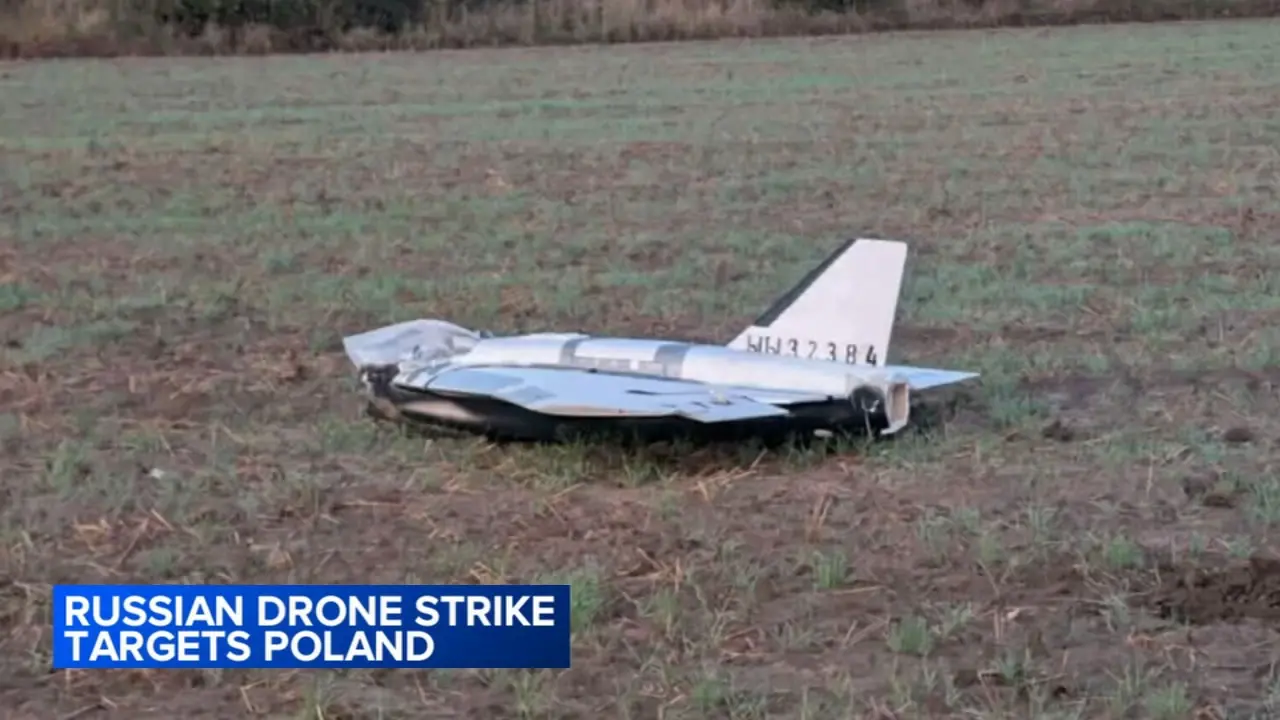
The increasing presence of Russian drones along the borders of Poland has raised significant concerns for NATO and its member states. With geopolitical tensions escalating in Eastern Europe, understanding the implications of drone warfare is more critical than ever. Poland, as a frontline NATO member located adjacent to Ukraine and Belarus, faces a heightened risk that necessitates strategic reassessment from the alliance.
Current Threat Landscape
Recent intelligence has revealed a surge in aerial reconnaissance missions conducted by Russian drones near Polish territory. According to reports from the Polish Ministry of Defence, there has been a marked increase in intrusions over the past few months, particularly concentrated in areas close to the Belarus border, which is viewed as a staging ground for potential military action.
Experts believe this increase in drone activity is coupled with broader military exercises conducted by Russia, which may signal preparation for intensified operations in the region. Poland’s NATO allies have highlighted the potential for these drones to be used in precision attacks or as tools for surveillance, necessitating a robust response.
NATO’s Strategic Response
In light of these developments, NATO has ramped up its air patrols and surveillance activities in Eastern Europe. The alliance is also conducting joint exercises with Polish forces to enhance readiness against potential drone incursions. Allied aviation units, including the United States Air Force and UK RAF, have been deployed to Poland to support air defence mechanisms and share intelligence on drone threats.
Additionally, during a recent NATO summit, leaders affirmed their commitment to bolster defensive measures in Poland and the Baltic states. This includes accelerating the acquisition of advanced drone detection and countermeasure technologies to mitigate the risks associated with Russian aerial capabilities.
Conclusion
The threat posed by Russian drones in Poland is emblematic of the broader challenges facing NATO in maintaining security and deterrence along its eastern flank. Poland’s strategic location necessitates greater vigilance and cooperation among member states, especially as military tensions continue to rise. Forecasts suggest that the drone threat will persist as Russia seeks to leverage technological advancements in warfare.
As NATO remains steadfast in its resolve to protect its members, Poland’s situation underscores the significance of collective defence. Continuous monitoring, preparedness, and advancements in technology will be crucial in ensuring that NATO is equipped to respond effectively to evolving threats in the region.
