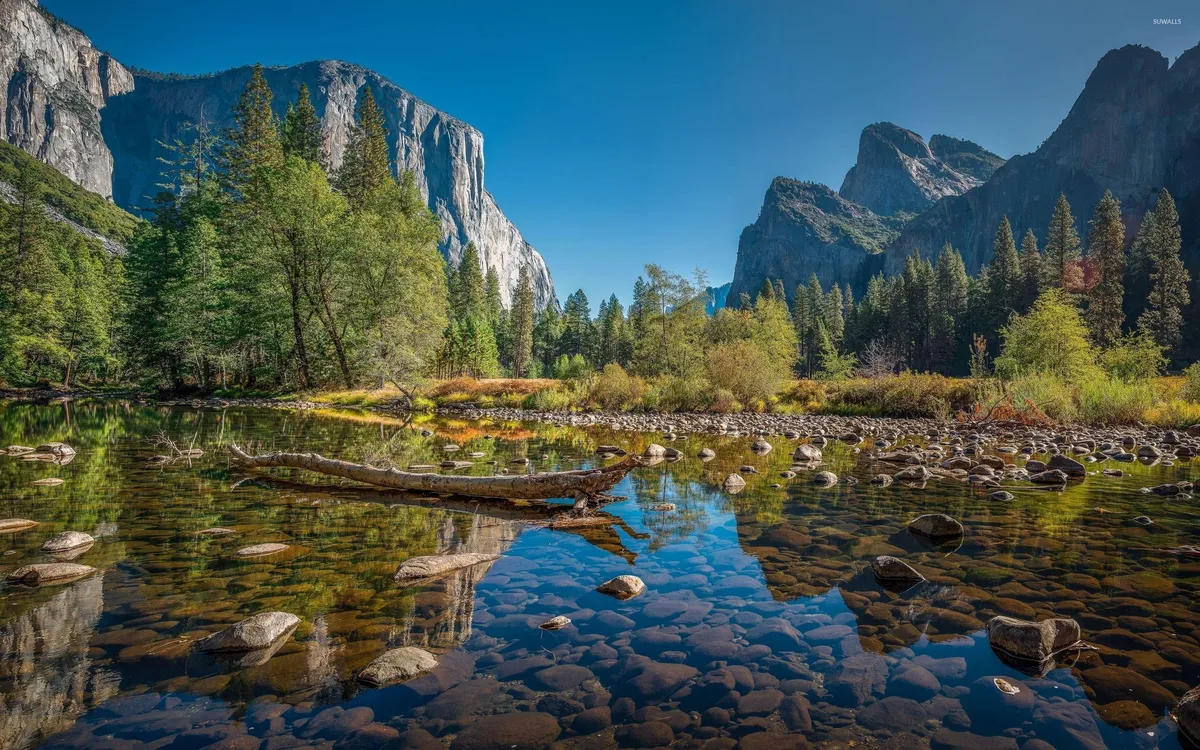
What are the latest trends in national parks, and why are they seeing such an increase in visitors? Recent statistics reveal that national parks like Banff and Yellowstone are experiencing record-breaking attendance, indicating a growing interest in outdoor recreation.
Banff National Park, Canada’s first national park and part of the Canadian Rocky Mountain Parks UNESCO World Heritage Site, saw an astonishing 4.28 million visits in the 2023/24 season, marking the busiest year on record. Meanwhile, Yellowstone, the world’s first national park, recorded 4,744,353 visits in 2024, showcasing its enduring appeal.
The surge in visitors can be attributed to several factors, including the parks’ unique natural features and the increasing popularity of outdoor activities. Yellowstone is renowned for containing about half of the world’s active geysers, while Banff offers stunning mountain landscapes and pristine lakes.
In addition to record visitation numbers, the infrastructure within these parks is also evolving. For instance, Parks Canada emphasizes that taking a shuttle is the best way to visit popular sites like Lake Louise and Moraine Lake, which now require reservations in advance. Notably, Moraine Lake is closed to personal vehicles year-round, further encouraging the use of shuttles.
Yellowstone National Park features the Fishing Bridge RV Park, which boasts 310 campsites equipped with electricity, water, and sewer hookups, the most in the U.S. National Park Service system. In 2025, Yellowstone hosted 37,261 overnight RV campers, highlighting the park’s appeal to those seeking a camping experience.
In comparison, the Great Smoky Mountains National Park remains the most-visited national park, with 141,354 overnight RV guests in 2025, followed by Zion National Park with 84,450 overnight RV stays.
The historical significance of these parks also plays a role in their allure. The 1883 discovery of the Cave and Basin thermal springs was pivotal in the creation of Banff National Park, a site that Indigenous Peoples had utilized for thousands of years prior.
As national parks continue to attract more visitors, the focus will likely shift towards sustainable tourism practices and managing the environmental impact of increased foot traffic. While the current trends are promising, details remain unconfirmed regarding how parks will adapt to this growing demand.
