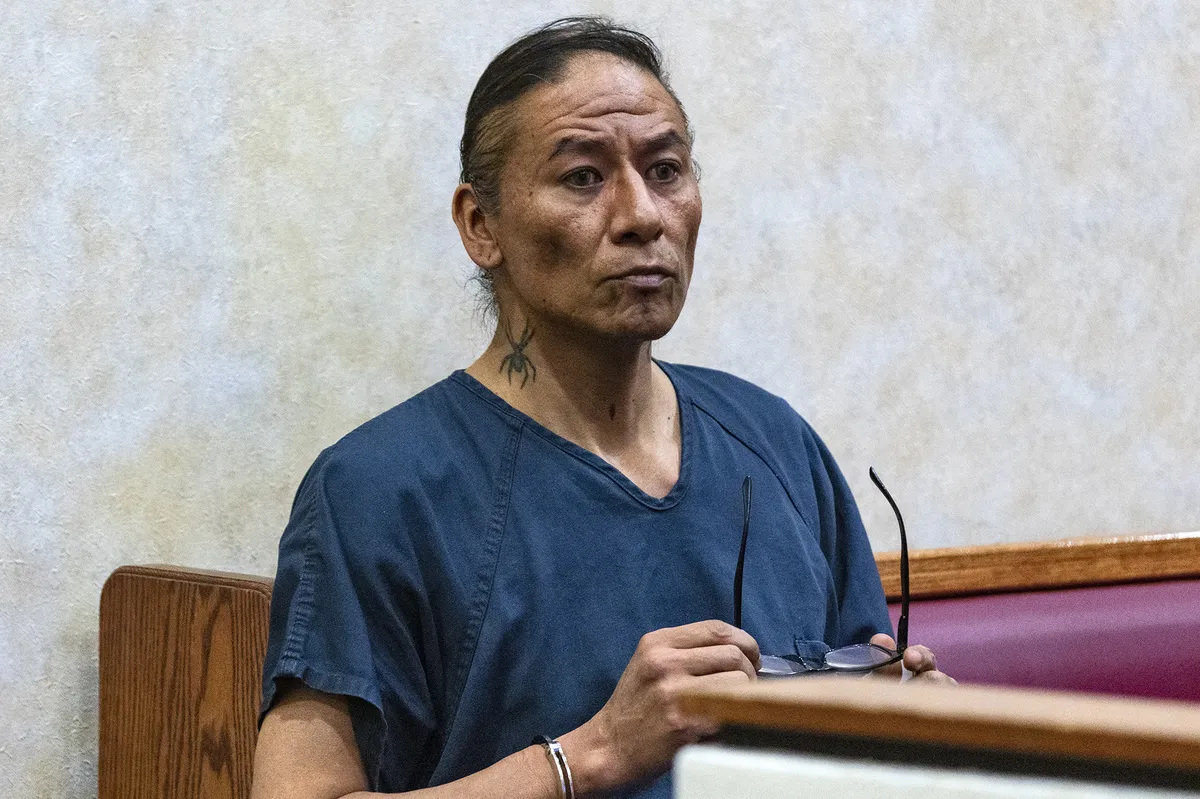
Nathan Chasing Horse, known for his role in ‘Dances With Wolves’, was sentenced to life in prison for sexually assaulting several Indigenous women and girls. This case raises important questions about the systemic abuse faced by vulnerable communities and the role of individuals who exploit their positions of power.
Chasing Horse faced 13 charges, primarily concerning the sexual assault of three women. He was convicted after a trial where victims provided harrowing testimonies about the trauma inflicted upon them. Corena Leone-LaCroix, one of the victims, shared her pain vividly: “There is no way to get back the youth, the childhood loss, my first time, my first kiss, the graduation I never got to have.” The emotional toll on these survivors is profound and lasting.
Born on the Rosebud Reservation in South Dakota, Chasing Horse leveraged his status as a Lakota medicine man to gain trust within Indigenous communities. He traveled across Canada and the U.S. performing healing ceremonies, which ultimately enabled him to prey on vulnerable Indigenous women and girls. This manipulation raises a critical issue: how can society protect those who are most at risk from individuals who misuse their influence?
The judge in Chasing Horse’s case, Jessica Peterson, emphasized this manipulation when she stated, “You preyed on these women’s trusts and their spirituality, and you manipulated them for your own personal gratification.” Such statements highlight the need for stronger protections and support systems for Indigenous women who often face barriers when seeking justice.
Chasing Horse will be eligible for parole after serving 37 years. However, many questions linger about what this means for his victims and the broader Indigenous community. It remains uncertain how this ruling will affect ongoing discussions around sexual violence against Indigenous women.
Lynnette Adams, another victim, reflected on her ongoing struggles: “Even to this day I struggle to regain my faith and spirituality.” The impact of these crimes extends beyond immediate physical harm; it disrupts lives and communities at large.
As communities seek healing from this trauma, Siera Begaye expressed hope amidst despair: “I am choosing to see this moment as a fresh start.” The resilience shown by survivors is inspiring but underscores the urgent need for systemic change.
This case not only marks a significant legal outcome but also serves as a reminder of the work still needed to ensure safety and justice for Indigenous women. The British Columbia Prosecution Service charged Chasing Horse with sexual assault earlier this year following allegations from an incident in September 2018. As more details emerge from various jurisdictions regarding his actions, there is a collective call for accountability that cannot be ignored.
